
Introduction
The relationship between the United States Dollar (USD) and the Nigerian Naira (NGN) is a central topic of discussion across Nigeria. Whether you are a student paying international tuition, a business owner importing raw materials, or a consumer noticing the rising cost of household goods, the exchange rate impacts your daily life. Searching for the 1 USD to Naira parallel market rate or the official bank rate has become a routine for many Nigerians seeking to navigate the country’s complex economic landscape.
Understanding these rates is not just about numbers; it is about understanding the broader economic forces of inflation, trade balances, and monetary policy. This article provides a comprehensive, educational overview of how the Nigerian foreign exchange (FX) market operates. It is written to help readers understand currency exchange concepts in Nigeria and navigate financial information with clarity and caution.
Disclaimer: This content is for informational purposes only and does not constitute financial, investment, or legal advice. Exchange rates are highly volatile and vary significantly by source. Readers should consult official financial institutions for transaction-specific details.
Table of Contents
What Is the Dollar to Naira Exchange Rate?
At its most basic level, an exchange rate is the price of one currency expressed in terms of another. In this context, it is the amount of Naira required to purchase one United States Dollar.
The USD (United States Dollar) is the global reserve currency, used for the majority of international trade, including Nigeria’s primary export, crude oil. The NGN (Nigerian Naira) is the legal tender of the Federal Republic of Nigeria.
When you see a quote for the exchange rate, you are seeing a reflection of the “purchasing power” of the Naira against the Dollar. If the rate moves from 1,200 to 1,400, the Naira has “depreciated,” meaning it takes more local currency to buy the same single Dollar.
Official Dollar to Naira Rate in Nigeria
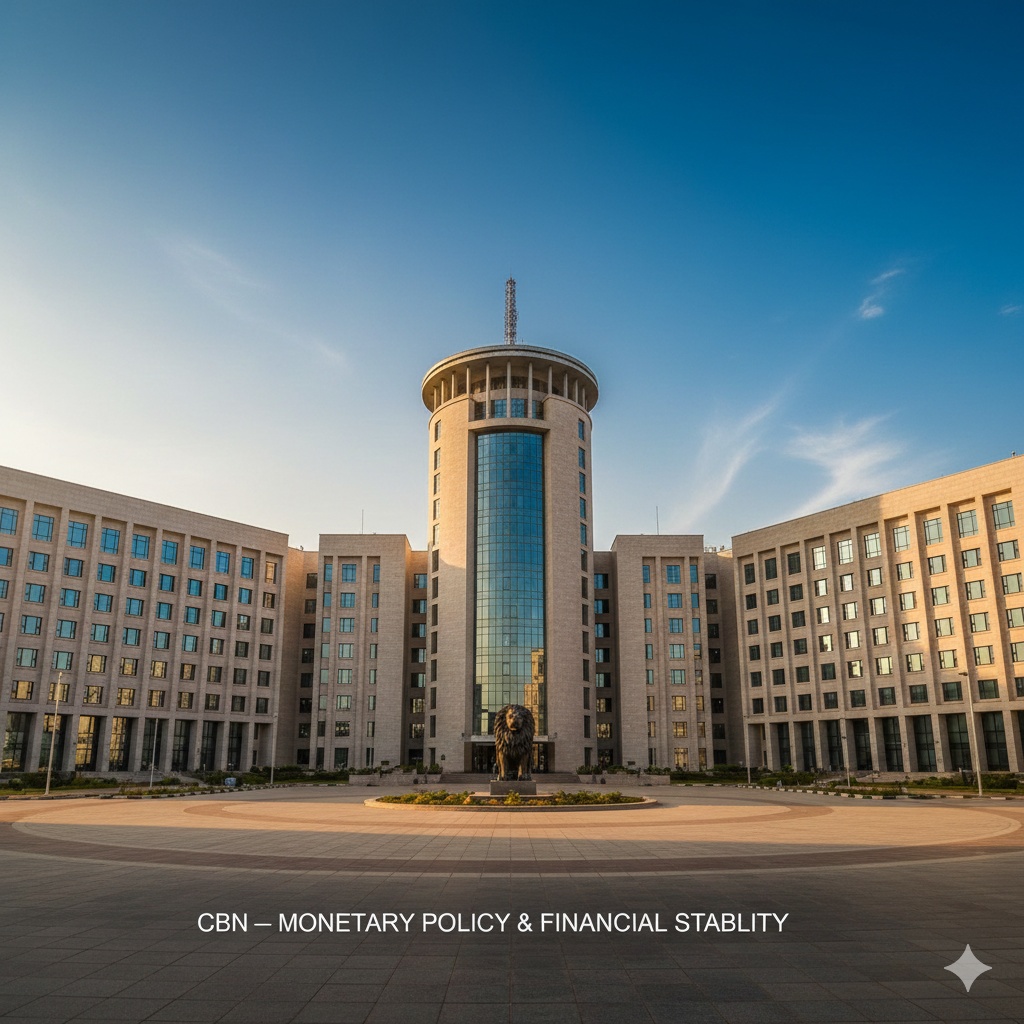
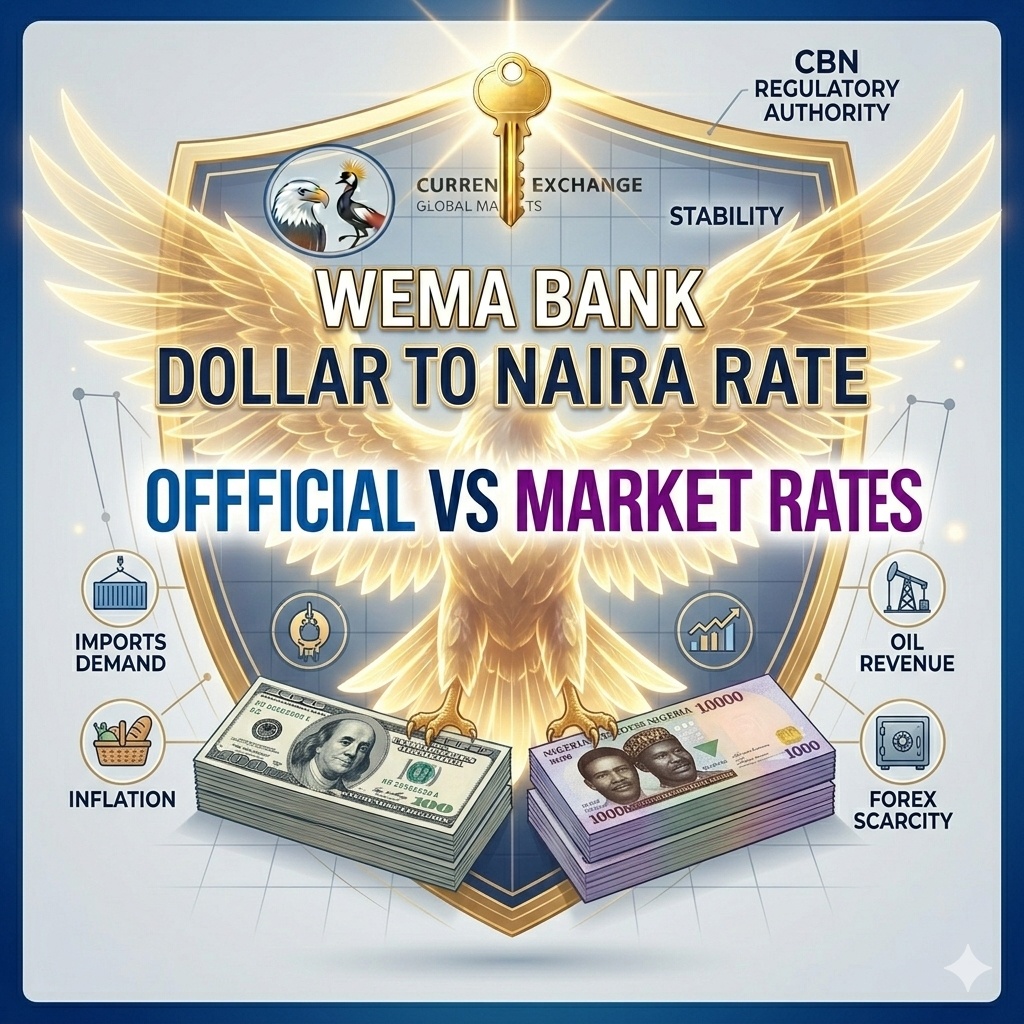
The “Official Rate” refers to the exchange rate determined or influenced by the Central Bank of Nigeria (CBN). This rate is typically used for government transactions, official international debt servicing, and specific windows for eligible importers and travelers.
The Role of the Central Bank of Nigeria (CBN)
The CBN is the primary regulator of the Nigerian financial sector. Its goal is to maintain monetary and price stability. To manage the Naira, the CBN uses various mechanisms, such as:
- The Investors and Exporters (I&E) Window: A platform where FX is traded based on market-clearing prices, though still monitored by the regulator.
- Direct Interventions: Occasional sales of Dollars to authorized dealer banks to provide liquidity to the market.
Official rates are generally lower than market rates, but access to this liquidity is often restricted to specific, documented purposes like “Form A” for school fees or “Form Q” for small businesses.
Parallel Market Rates Explained
The term 1 USD to Naira parallel market refers to the informal currency exchange market that exists outside of the official banking channels. In economics, this is often called the “non-official” or “street” market.
Why Does a Parallel Market Exist?
A parallel market typically emerges when the demand for a foreign currency exceeds the supply available through official channels. If a business or individual cannot obtain Dollars from their bank due to strict documentation requirements or lack of liquidity, they often turn to the parallel market to meet their needs.
Legal and Risk Awareness
It is important to note that the parallel market is not regulated by the CBN. Transactions in this space carry higher risks, including:
- Counterfeit Risk: A higher possibility of receiving fake notes.
- Security Risks: Physical safety concerns during cash-to-cash transactions.
- Price Volatility: Rates can fluctuate wildly within a single hour based on local demand or rumors.
While the parallel market is a reality of the Nigerian economy, the Nigerian government and the CBN encourage the use of official, supervised channels to ensure transparency and national economic stability.
Why the Dollar Is Expensive in Nigeria
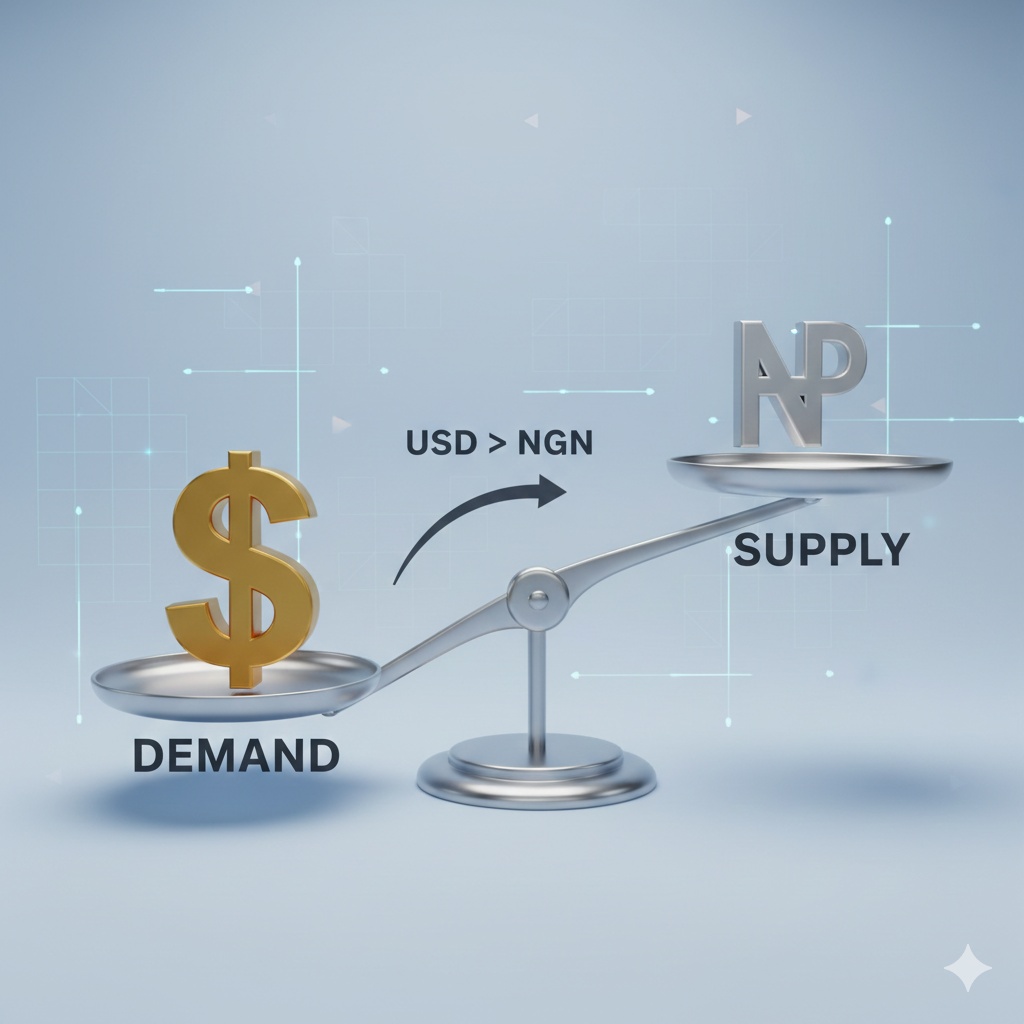
The high cost of the Dollar relative to the Naira is the result of several fundamental economic factors.
1. Import Dependency
Nigeria relies heavily on imported goods, ranging from refined petroleum and electronics to food items and machinery. Because these goods must be paid for in Dollars, there is a constant, high demand for USD. When demand outstrips the supply of Dollars, the price of the Dollar goes up.
2. Oil Revenue Fluctuations
Crude oil exports account for the vast majority of Nigeria’s foreign exchange earnings. When global oil prices drop, or when domestic production decreases due to technical or security issues, the country earns fewer Dollars. This shortage of “inflow” makes the available Dollars more expensive.
3. Inflation
Inflation is the rate at which the general level of prices for goods and services rises. When Nigeria experiences high inflation relative to the United States, the Naira loses its internal purchasing power, which eventually reflects in its external value against the Dollar.
4. Market Sentiment and Speculation
Sometimes, the rate changes not because of a change in trade, but because of “sentiment.” If people fear the Naira will lose value in the future, they may try to buy Dollars now to protect their savings. This surge in demand can drive the price up further.
How Exchange Rates Affect Daily Life in Nigeria
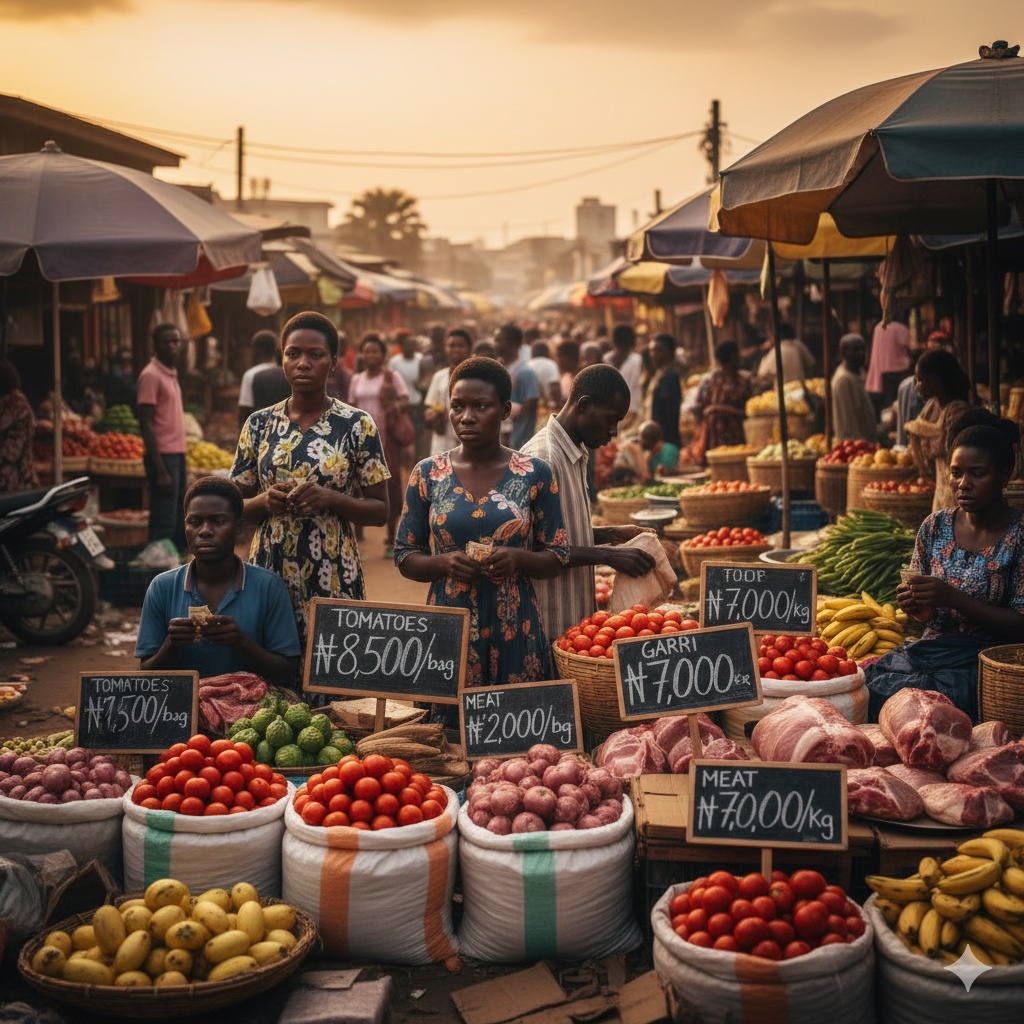
The exchange rate is not just a concern for wealthy investors; it affects every Nigerian household.
- Food Prices: Many fertilizers, chemicals, and even finished food products are imported. When the 1 USD to Naira parallel market rate increases, the cost of bringing these items into the country rises, leading to “imported inflation” at the local market.
- Fuel and Transportation: While Nigeria is an oil producer, it imports much of its refined petrol. Higher exchange rates increase the landing cost of fuel, which translates to higher transport fares.
- Education: Many families have children studying abroad. A spike in the exchange rate means more Naira is needed to cover the same tuition in Dollars, often putting a strain on family budgets.
- Online Subscriptions: Payments for global services like Netflix, iCloud, or professional software are billed in Dollars. A weaker Naira makes these monthly services more expensive for the end-user.
Common Myths About Dollar to Naira Exchange
Misinformation can lead to poor financial decisions. Let’s clarify some common misconceptions:
Myth 1: “The Dollar will crash tomorrow”
Currency markets are incredibly complex. While the Naira may strengthen if oil production increases or foreign investment flows in, dramatic “crashes” of a major global currency like the USD are highly unlikely. Beware of headlines promising a sudden, massive drop in rates.
Myth 2: “The rate is the same everywhere”
The rate you see on a news website might not be the rate your bank offers. Rates differ between the official window, different commercial banks, and various geographic locations in the parallel market (e.g., Lagos vs. Abuja).
Myth 3: “Exchange rates are fixed”
In the past, Nigeria attempted to keep the Naira at a “peg” or fixed rate. However, the current trend is toward a more flexible exchange rate system where the value is determined by market forces of supply and demand.
How to Check Dollar to Naira Rates Safely
To avoid scams and misinformation, it is vital to use verified sources for currency information.
- Commercial Bank Apps: Most Nigerian banks now display their current exchange rates for international web payments or “Form A” transactions within their mobile apps.
- The CBN Official Website: The Central Bank of Nigeria publishes daily official rates and historical data on their website.
- Reputable Financial News Outlets: Outlets like Bloomberg, Reuters, or established Nigerian financial newspapers provide context-heavy reporting on market trends.
- National Bureau of Statistics (NBS): For data on how the exchange rate is impacting inflation and the wider economy, the NBS is the gold standard for data.
FAQ Section
What is the official dollar to naira rate? The official rate is the price set or recognized by the Central Bank of Nigeria (CBN) for legitimate transactions through the banking system. It is usually lower than the parallel market rate.
Why is the dollar higher in Nigeria compared to previous years? This is due to a combination of high demand for imports, reduced foreign exchange earnings from oil, high domestic inflation, and limited foreign investment.
Is the parallel market rate legal? The parallel market operates in an informal capacity. While it is a common feature of the economy, the CBN regulates foreign exchange and encourages all citizens to use authorized dealer banks for transactions to ensure legality and security.
Does the dollar rate change daily? Yes. In a floating or semi-floating exchange rate system, the value of the Naira against the Dollar can change every minute based on trade activities, global news, and market demand.
Where can I check trusted rates? The most trusted sources are the Central Bank of Nigeria (CBN) website, your local commercial bank, and recognized global financial news platforms.
How does a high dollar rate affect the price of bread? Nigeria imports a significant portion of the wheat used for flour. When the Dollar becomes more expensive, the cost of importing wheat rises, which forces bakers to increase the price of bread to cover their costs.
Conclusion
Understanding the 1 USD to Naira parallel market and official rates is essential for financial literacy in Nigeria. While the fluctuations can be challenging, being informed helps individuals and businesses plan more effectively. The key to navigating this environment is to rely on factual data, avoid speculative “get rich quick” schemes involving currency, and focus on long-term financial awareness.
The Nigerian economy continues to evolve, and staying updated through reputable sources is the best way to manage the impact of exchange rate volatility on your personal finances.
For daily currency education and explanations, visit dollarnaija.com.ng.