
Introduction
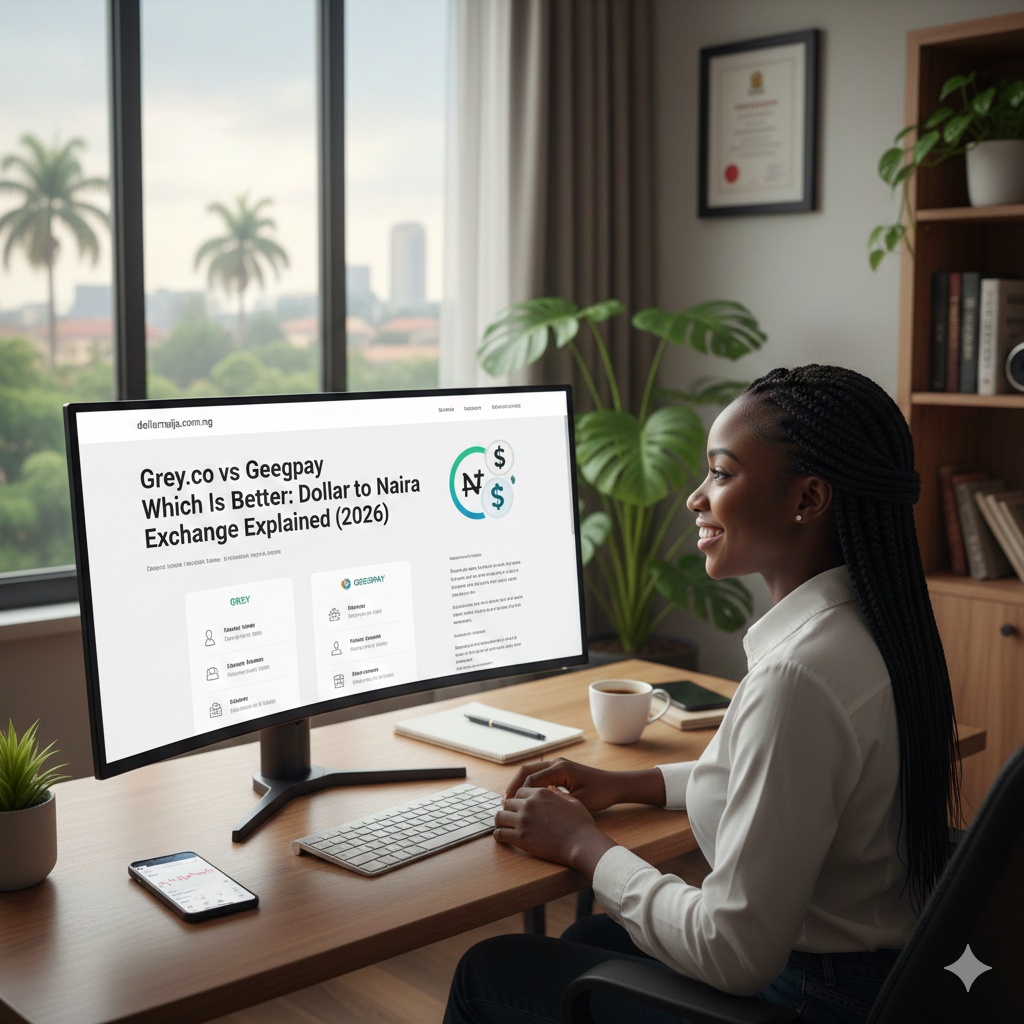
The search for the dollar to naira exchange rate is a daily ritual for millions of Nigerians. Whether you are a freelancer receiving international payments, a parent paying tuition abroad, or a business owner importing essential goods, the value of the naira against the dollar directly impacts your financial well-being. In recent years, the rise of digital banking platforms has introduced new ways to receive and manage foreign currency, leading many to ask: Grey.co vs Geegpay which is better?
Understanding the mechanics of currency exchange in Nigeria is about more than just numbers; it is about navigating a complex economic landscape influenced by global oil prices, local inflation, and Central Bank policies. This guide provides a comprehensive, neutral overview of how the exchange rate works in Nigeria and compares two of the most popular platforms used by digital professionals to manage their foreign earnings.
Disclaimer: This content is for informational purposes only. Exchange rates are highly volatile and vary significantly by source. This article does not constitute financial, investment, or legal advice.
Table of Contents
What Is the Dollar to Naira Exchange Rate?
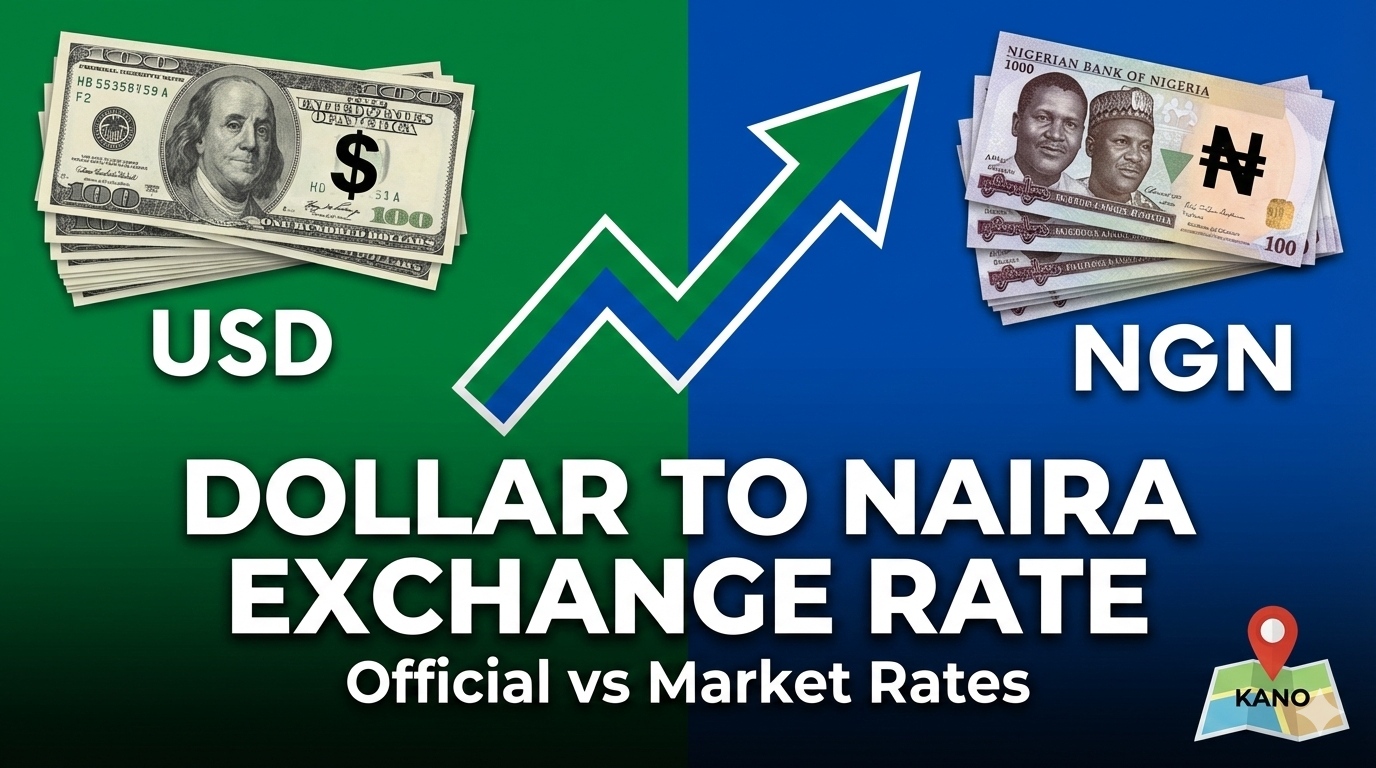
At its core, an exchange rate is simply the price of one currency in terms of another. In Nigeria, the most watched pair is the USD/NGN (United States Dollar to Nigerian Naira).
- USD (United States Dollar): The global reserve currency used for international trade.
- NGN (Nigerian Naira): The legal tender and local currency of Nigeria.
If the exchange rate is 1,450, it means you need 1,450 Naira to purchase a single US Dollar. This rate fluctuates based on the demand for dollars (by importers, travelers, and investors) versus the supply of dollars available in the Nigerian economy.
Official Dollar to Naira Rate in Nigeria
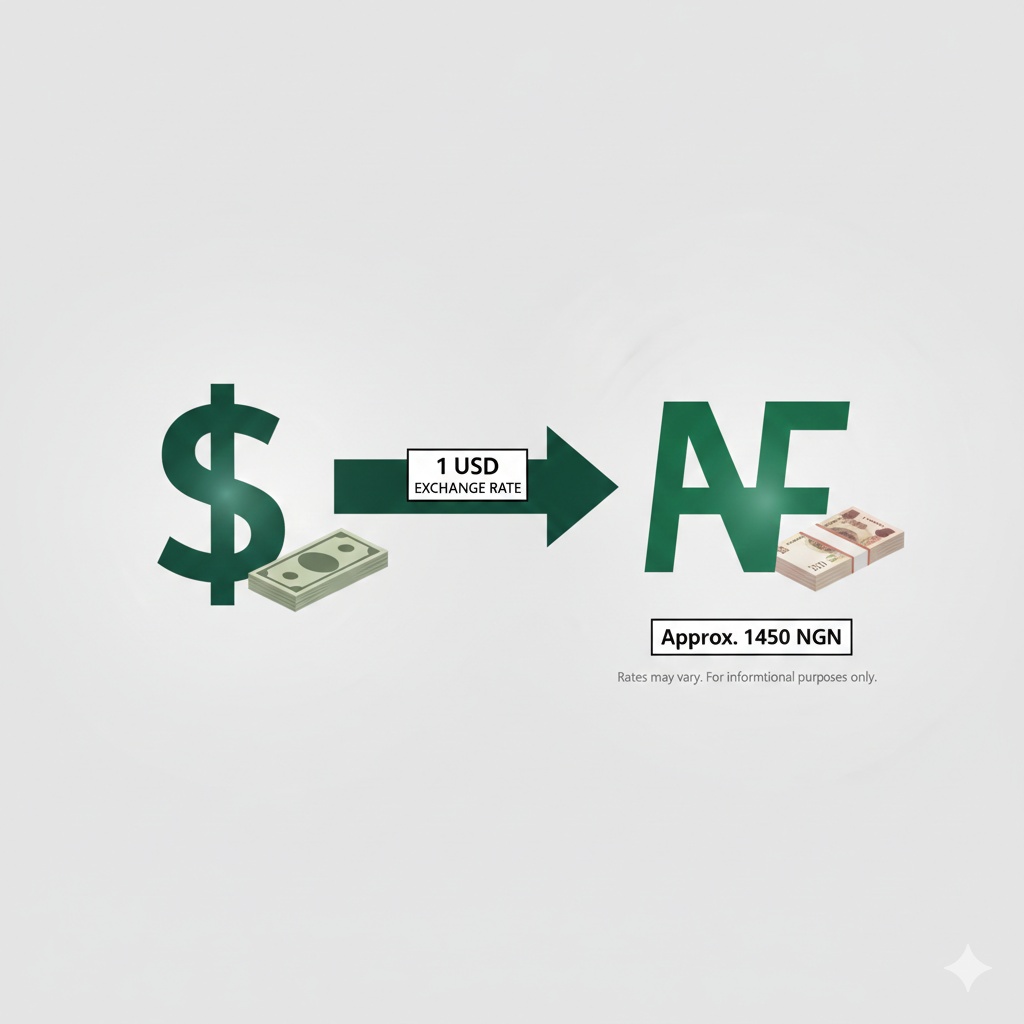
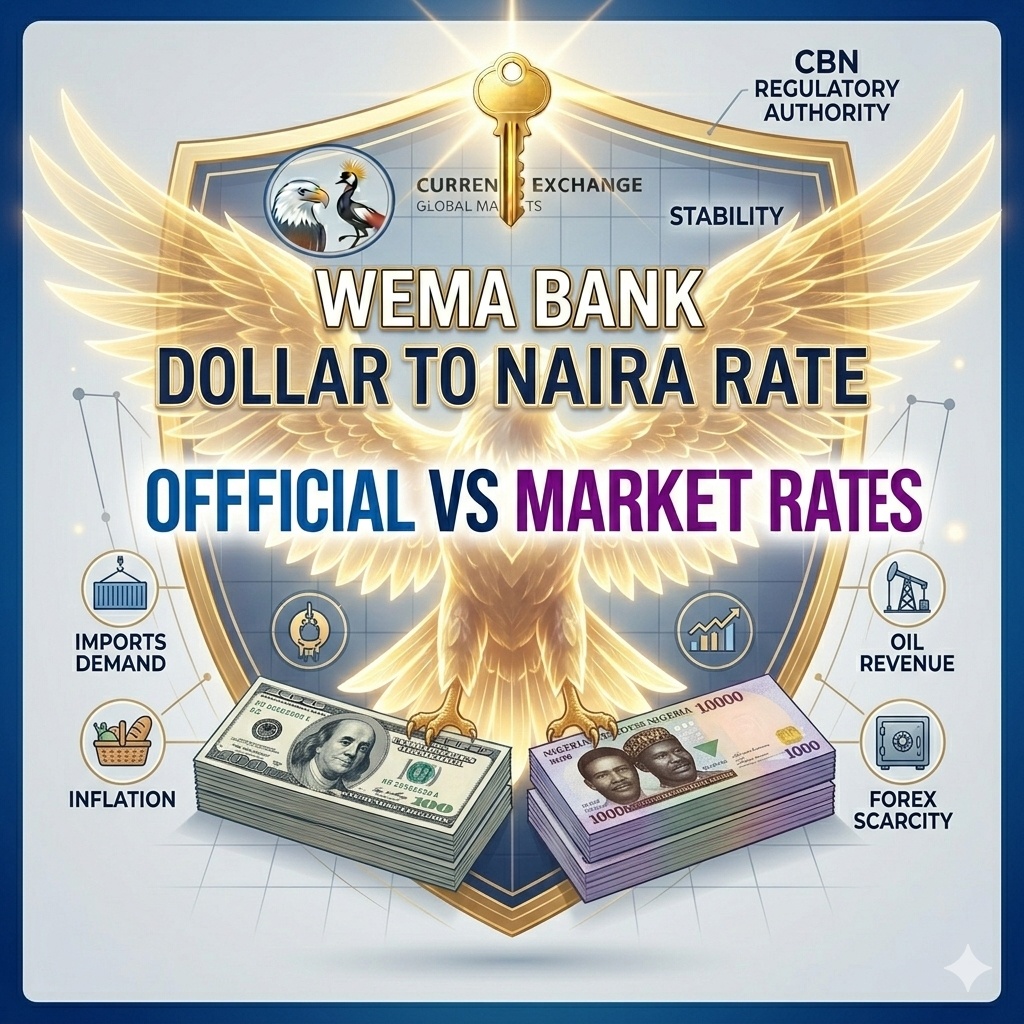
The Official Rate refers to the exchange rate determined and recognized by the Central Bank of Nigeria (CBN). This rate is typically used for government transactions, large-scale fuel imports, and by authorized dealer banks for specific eligible transactions.
The CBN manages this rate through various windows, such as the Nigerian Autonomous Foreign Exchange Market (NAFEM). The primary goal of the official rate is to maintain some level of stability in the economy and ensure that essential sectors have access to foreign currency at a predictable price.
Parallel Market Rates Explained
The Parallel Market, often referred to as the “black market,” is an unofficial channel where foreign currency is traded outside of the direct supervision of the CBN.
- Why it exists: When demand for dollars exceeds the supply provided by the official banking sector, individuals and small businesses turn to the parallel market.
- Pricing: Rates here are typically higher than the official rate because they are driven purely by immediate supply and demand.
- Risks: Engaging in the parallel market carries significant legal and security risks. It lacks the consumer protections found in the formal banking sector and can be a source of economic instability.
Grey.co vs Geegpay Which Is Better?
For freelancers and remote workers in 2026, choosing between Grey.co (now often referred to as Grey) and Geegpay (by Raenest) is a common dilemma. Both platforms provide virtual foreign bank accounts (USD, GBP, EUR) to Nigerians.
Comparison Table: Grey vs Geegpay
| Feature | Grey.co | Geegpay (Raenest) |
| Primary Focus | Digital nomads & travelers | Freelancers & gig workers |
| Account Types | USD, GBP, EUR | USD, GBP, EUR |
| Virtual Card | Available (USD) | Available (USD) |
| Withdrawal Speed | Generally fast/instant | Fast (often same-day) |
| Invoicing Tool | Built-in professional tool | Automated smart invoicing |
| Fees | Competitive conversion fees | Low deposit/withdrawal fees |
Which Should You Choose?
When asking Grey.co vs Geegpay which is better, the answer depends on your specific needs:
- Grey.co is often praised for its sleek user interface and ease of use. It is highly effective for those who want a simple way to convert foreign earnings into Naira and withdraw to a local bank account instantly.
- Geegpay is deeply integrated with the freelance ecosystem. It offers robust invoicing features and is often favored by those working on platforms like Upwork or Fiverr because of its tailored “gig worker” features.
Both platforms aim to provide transparent rates that are usually more favorable than traditional bank “hidden” rates, but users should always check the live conversion screen on both apps before committing to a transaction.
Why the Dollar Is Expensive in Nigeria
Several economic factors contribute to the high cost of the dollar in Nigeria:
- Import Dependency: Nigeria imports a vast majority of its consumer goods, electronics, and even refined petroleum. This creates a constant, massive demand for dollars.
- Oil Revenue: As a mono-product economy, Nigeria relies heavily on crude oil exports for its dollar earnings. If global oil prices drop or production decreases, the supply of dollars shrinks.
- Inflation: High domestic inflation reduces the purchasing power of the Naira, making it less attractive compared to more stable currencies like the USD.
- Speculation: When people fear the Naira will lose more value, they tend to buy dollars as a “store of value,” which further drives up the price.
How Exchange Rates Affect Daily Life
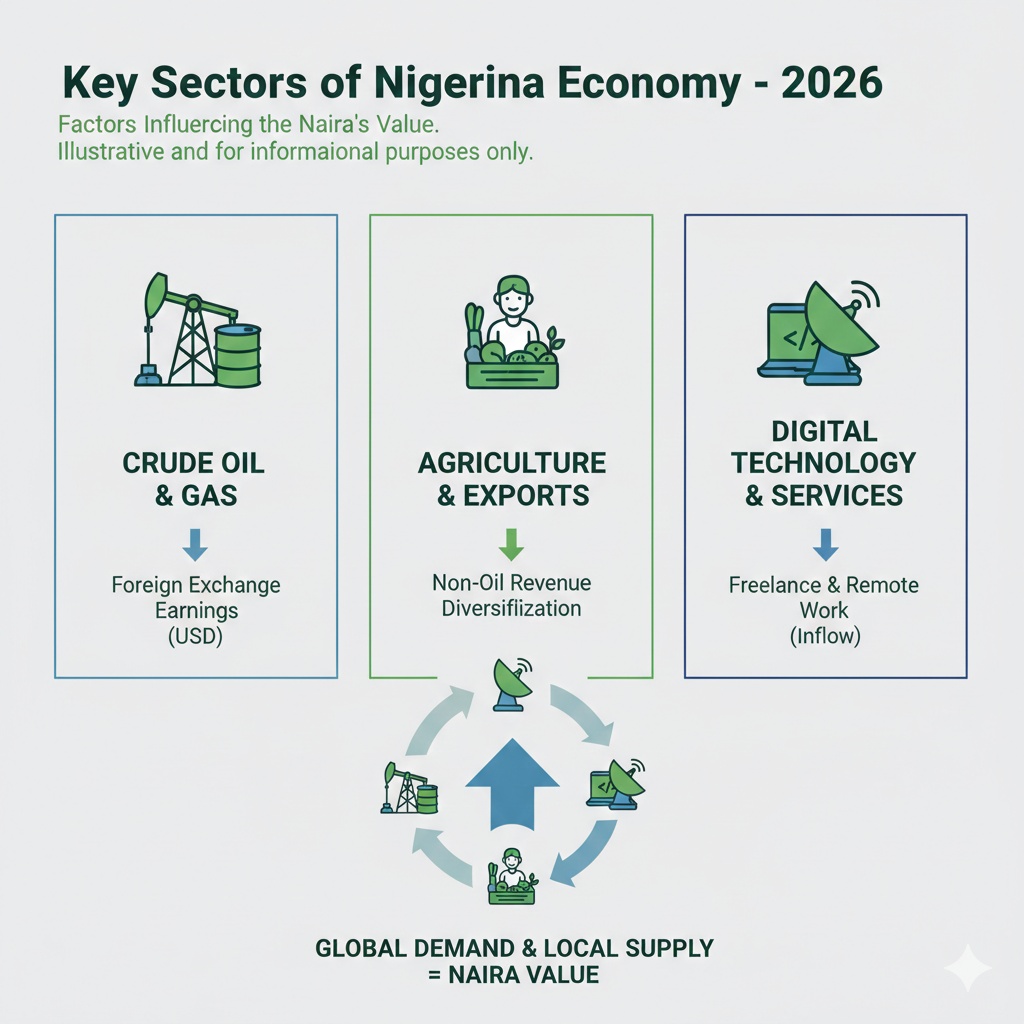
The USD to NGN rate isn’t just a concern for bankers; it affects every Nigerian:
- Food Prices: Even locally grown food is affected by the cost of imported fertilizers and transportation (fuel) costs.
- Technology: Laptops, smartphones, and internet subscriptions are priced based on the dollar.
- Education: Many Nigerians studying abroad or taking international professional exams find that their costs double or triple when the Naira devalues.
- Small Business: Entrepreneurs who source raw materials from abroad must raise prices to survive, leading to lower sales.
Common Myths About Dollar to Naira Exchange
- Myth 1: “The dollar will crash tomorrow.” Currency markets are complex. Sudden “crashes” are rare and usually tied to major policy shifts or global events, not rumors.
- Myth 2: “The rate is the same everywhere.” Rates differ between your bank, a fintech app like Grey, and the official CBN window.
- Myth 3: “Fixed rates are better.” While fixed rates provide certainty, they often lead to “scarcity” because the price doesn’t reflect the actual market reality.
How to Check Dollar to Naira Rates Safely
To avoid misinformation, always use verified and official sources:
- The Central Bank of Nigeria (CBN) Website: For the official government-recognized rates.
- Commercial Bank Apps: Most Nigerian banks show their current exchange rates for card transactions within their mobile apps.
- Reputable Financial News: Organizations like Bloomberg or Reuters provide global market perspectives.
- Verified Fintech Platforms: Apps like Grey and Geegpay provide real-time conversion rates for their users.
Avoid: Unverified Telegram groups or social media accounts claiming to have “special” or “insider” rates. These are often hubs for fraudulent activity.
FAQ Section
1. What is the official dollar to naira rate today? The official rate is determined by the NAFEM window and published on the CBN website. It varies daily based on market auctions.
2. Why is the dollar higher in Nigeria than in other African countries? Each country has different levels of exports, foreign reserves, and import needs. Nigeria’s heavy reliance on oil and high demand for imports makes its currency more sensitive to USD fluctuations.
3. Is the black market rate legal? The CBN encourages the use of authorized dealers and official channels. Trading in the parallel market exists in a legal “grey area” and lacks the regulatory protection of the formal banking system.
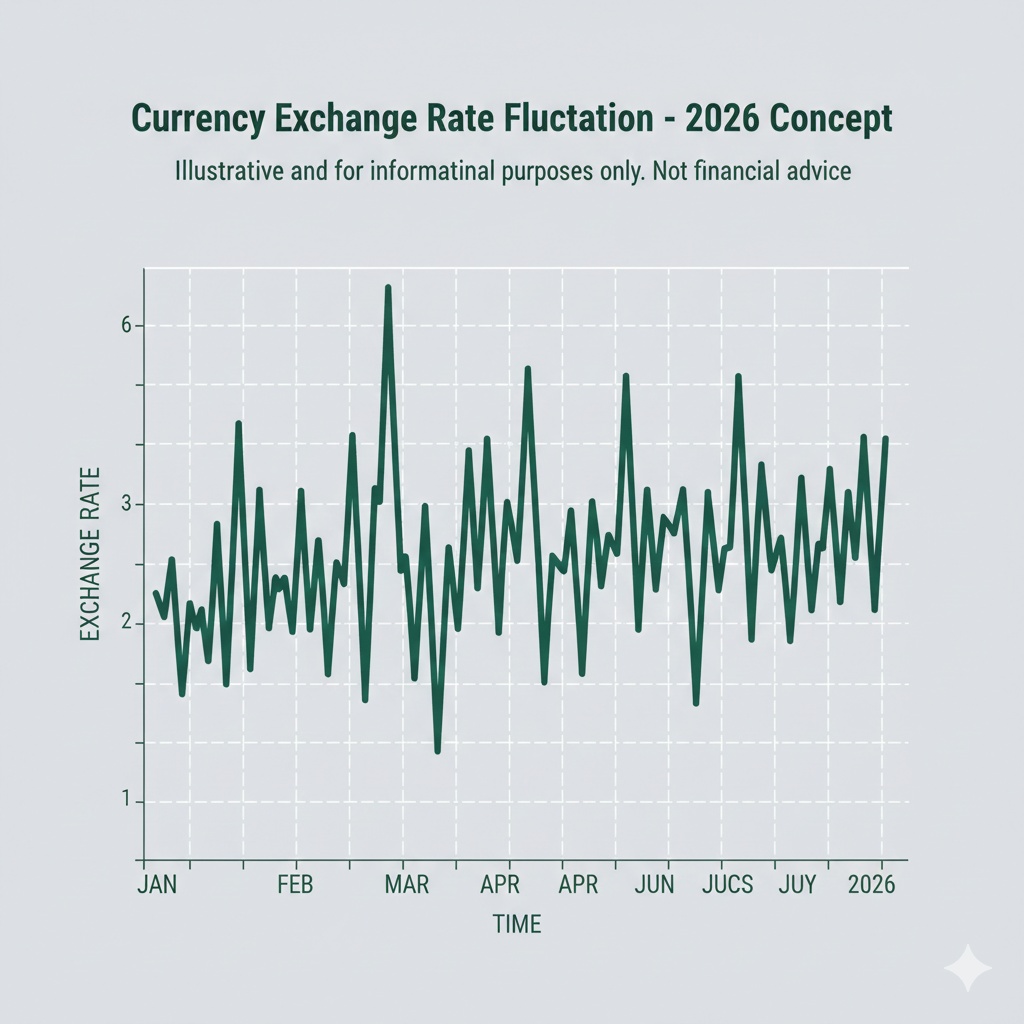
4. Does the dollar rate change daily? Yes. In a floating or managed-float exchange rate system, the value of the Naira can change every minute during trading hours.
5. Between Grey and Geegpay, which has a better exchange rate? Rates on these platforms fluctuate constantly. One might be slightly better in the morning, while the other improves by evening. It is best to compare the “Net Amount” you will receive in Naira on both apps before converting.
6. Can I use these platforms for business imports? Grey and Geegpay are primarily designed for individual freelancers and remote workers. Large-scale commercial imports usually require documentation through official bank channels (Form M, etc.).
Conclusion
Understanding the nuances of the dollar to naira exchange rate is essential for navigating the Nigerian economy in 2026. While platforms like Grey and Geegpay offer innovative solutions for receiving foreign currency, the broader economic factors of supply, demand, and government policy remain the primary drivers of the Naira’s value.
Staying informed through official channels and using trusted financial tools will help you manage your funds with greater confidence and security. Financial awareness is your best defense against economic volatility.
For daily currency education and explanations, visit dollarnaija.com.ng.