
Introduction
The movement of the dollar to naira exchange rate is one of the most discussed topics in Nigeria’s financial landscape. Whether you are a student paying international tuition, a business owner importing raw materials, or a traveler planning a trip, understanding the value of the Naira (NGN) against the United States Dollar (USD) is essential.
In recent years, the Nigerian economy has faced unique challenges, from fluctuating oil prices to shifts in global trade. These factors directly influence how much you pay for everyday goods and services. Because Nigeria relies heavily on imports for machinery, food, and energy, the exchange rate acts as a pulse for the nation’s economic health.
This guide provides a neutral and educational overview of the foreign exchange (forex) market in Nigeria. Our goal is to explain the mechanics of currency valuation and the role of the Central Bank of Nigeria (CBN) without providing financial advice or market predictions. Understanding these concepts is the first step toward better financial awareness.
Table of Contents
What Is the Dollar to Naira Exchange Rate?
At its simplest, an exchange rate is the price of one currency expressed in terms of another. For Nigerians, the USD to NGN rate tells you how many Naira you need to give up to acquire one US Dollar.
Currencies are traded on a global market known as the Foreign Exchange Market. Like any other commodity, the price is determined by the laws of demand and supply. If many people in Nigeria want to buy Dollars (demand) but there aren’t enough Dollars available (supply), the “price” of the Dollar goes up. Conversely, if there is an abundance of Dollars, the Naira may strengthen.
In Nigeria, the exchange rate is not just a number; it is a reflection of the country’s balance of trade—the difference between what we export (mostly crude oil) and what we import.
Official Dollar to Naira Rate in Nigeria
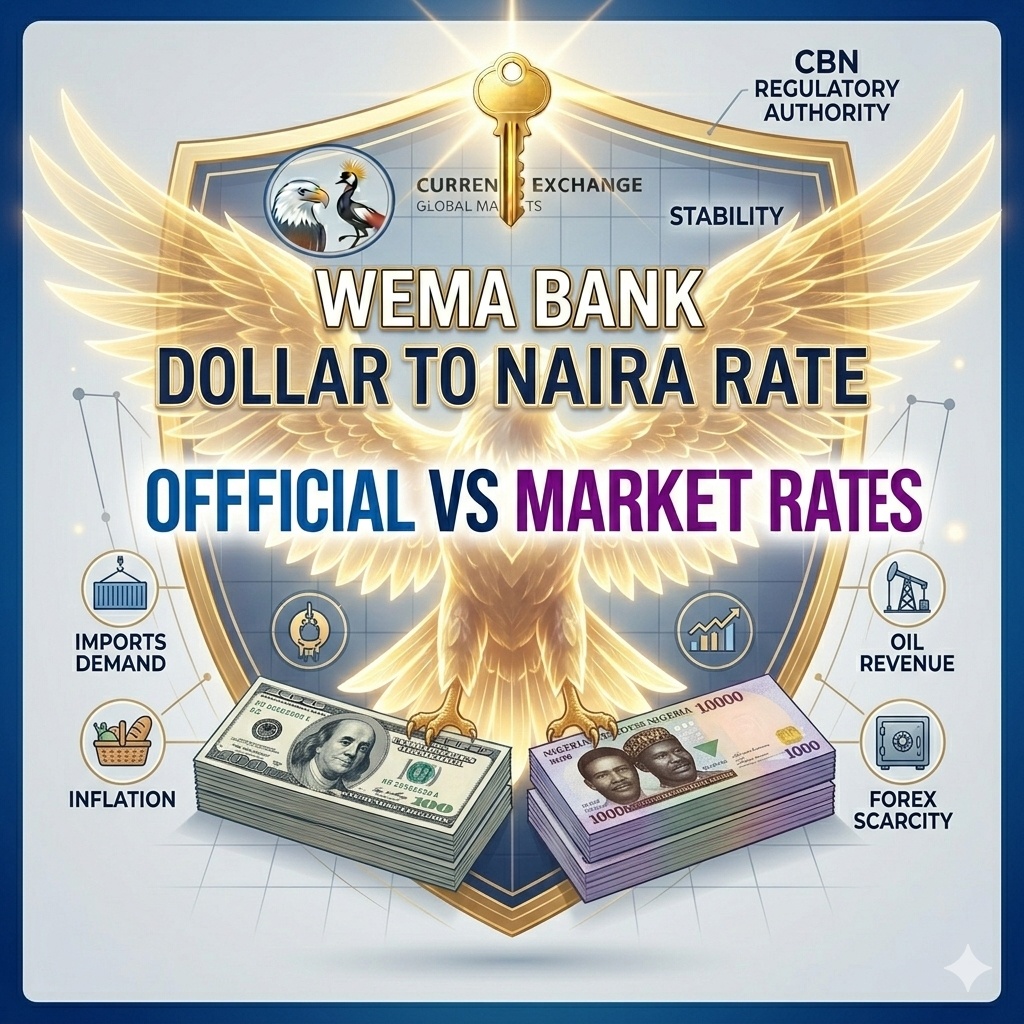
The official rate is the exchange rate determined or recognized by the Central Bank of Nigeria (CBN). This rate is typically used for government transactions, large-scale imports of essential goods, and by commercial banks for official “Form M” or “Form A” applications.
The Role of the Central Bank
The CBN manages Nigeria’s foreign reserves. When the CBN intervenes in the market, it does so to maintain stability and ensure that critical sectors of the economy have access to foreign exchange at a predictable price. In 2026, the CBN continues to use the Nigerian Foreign Exchange Market (NFEM) as the primary platform for price discovery.
Why Official Rates Matter
Official rates are usually lower than other market rates. Accessing the official rate allows the government to keep the cost of essential imports—like fuel or pharmaceuticals—from skyrocketing, which helps in controlling inflation to some extent.
Parallel / Market Rates Explained (Neutral Tone)
In addition to the official window, there is what is commonly referred to as the “parallel market” or “street rate.” This market exists because the demand for foreign currency often exceeds the supply available through official banking channels.
- Legal Awareness: While the official market is the primary regulated channel, the parallel market operates as an informal alternative. It is important to note that the CBN regulates Bureau De Change (BDC) operators to bring more transparency to this segment.
- Volatility: Rates in the parallel market tend to change more frequently—sometimes multiple times a day—because they react instantly to news, speculation, and immediate local demand.
- Risk: Transactions outside of official banking or licensed BDC channels carry higher security risks and may lack the documentation required for formal business accounting.
Why the Dollar Is Expensive in Nigeria
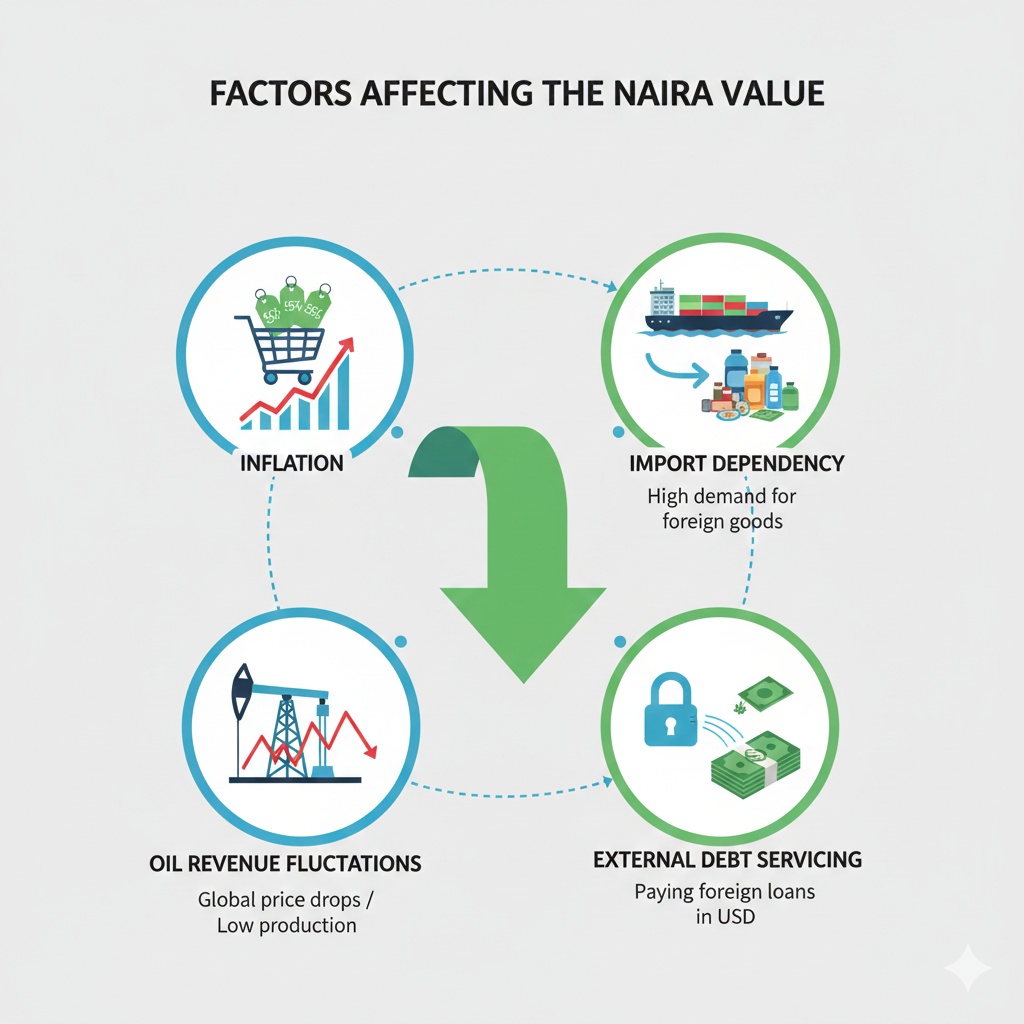
Several economic factors contribute to the high cost of the Dollar in the Nigerian market:
- Import Dependency: Nigeria imports a significant portion of its consumer goods, electronics, and industrial raw materials. Every time a merchant buys goods from abroad, they must pay in Dollars, keeping demand for the USD high.
- Oil Revenue Fluctuations: Crude oil is Nigeria’s primary source of foreign exchange. When global oil prices fall or domestic production decreases, the country earns fewer Dollars, leading to a “dollar scarcity.”
- Inflation: High inflation reduces the purchasing power of the Naira. As the value of the local currency drops, it takes more Naira to buy the same amount of Dollars.
- External Debt Servicing: The Nigerian government must pay back foreign loans in Dollars. High debt-servicing obligations can deplete foreign reserves, leaving fewer Dollars for the private market.
How to Buy USDT with Naira: A Digital Context
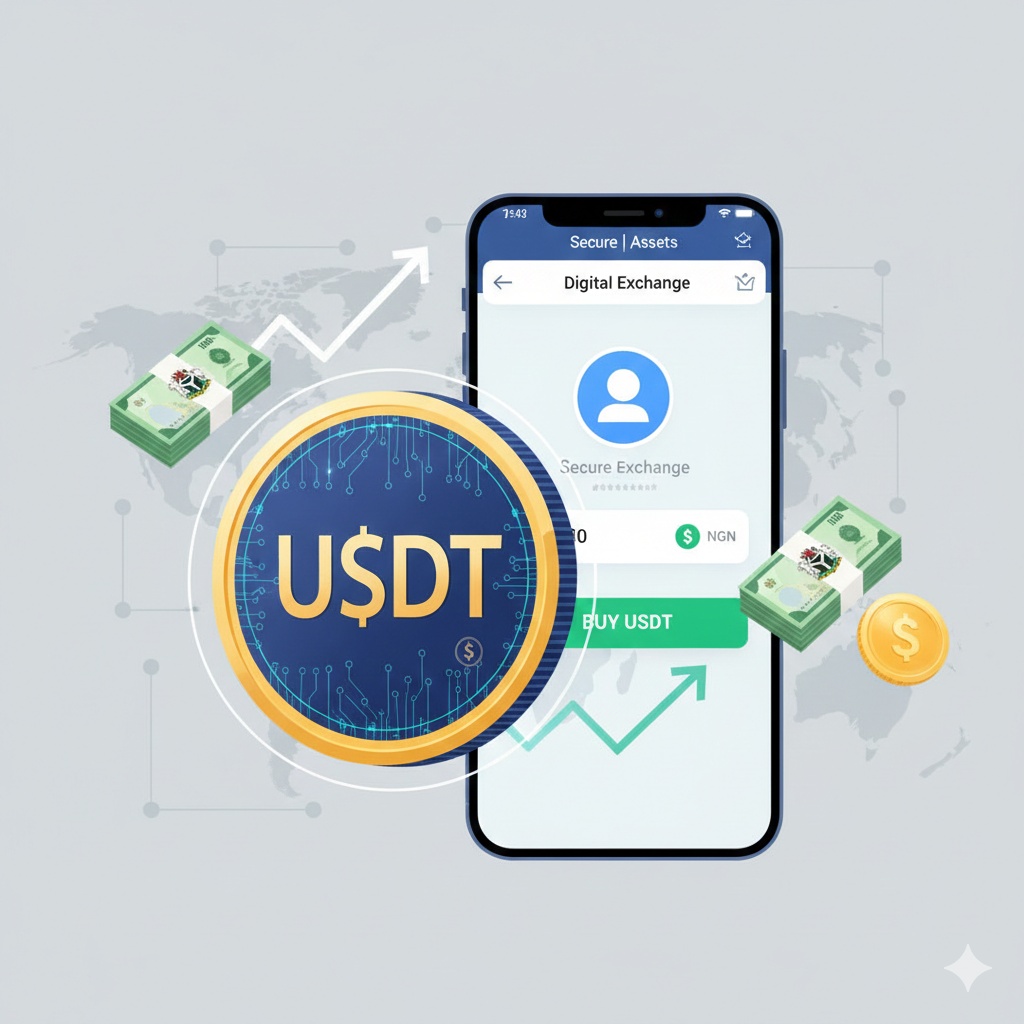
With the rise of the digital economy, many Nigerians have looked toward digital assets like USDT (Tether). Understanding how to buy USDT with Naira is becoming a common part of financial literacy in 2026.
USDT is a “stablecoin” pegged 1:1 to the US Dollar. This means 1 \text{ USDT} \approx 1 \text{ USD}. Many people use digital platforms to acquire USDT as a way to engage in global digital commerce or to hold a digital version of a dollar-equivalent asset.
Using Regulated Platforms
To stay safe, users typically use licensed digital asset exchanges. The process usually involves:
- Registering on a platform that complies with Nigerian financial regulations.
- Verifying your identity (KYC).
- Connecting your local bank account to pay in Naira.
It is crucial to use platforms that follow Anti-Money Laundering (AML) guidelines and to be aware that digital assets are subject to market risks and regulatory changes.
How Exchange Rates Affect Daily Life in Nigeria
The exchange rate is not just for “big business”; it hits the pocket of every Nigerian.
- Food and Consumer Goods: Even food grown locally often requires imported fertilizers or transportation parts priced in Dollars. This leads to “imported inflation.”
- Energy and Fuel: Despite domestic refining efforts, the global price of oil and the exchange rate influence the cost of fuel and electricity.
- Education: Many families with children studying abroad face rising costs as the Naira weakens, making tuition payments more expensive in local terms.
- Subscriptions: Services like Netflix, Apple Music, or professional software often bill in USD. A change in the rate means your monthly Naira debit fluctuates.
Common Myths About Dollar to Naira Exchange
- Myth 1: “The rate is the same everywhere.” Fact: Rates vary between the CBN, commercial banks, and BDCs based on liquidity and transaction types.
- Myth 2: “The Dollar will crash soon.” Fact: Currency values are based on complex macroeconomics. No one can predict a “crash” with certainty, and such claims are often speculative.
- Myth 3: “Exchange rates are fixed by the government.” Fact: While the government can influence the rate through policy, global market forces and domestic demand play a massive role in the actual market price.
How to Check Dollar to Naira Rates Safely
In an era of misinformation, getting accurate data is vital.
- Commercial Bank Apps: Most Nigerian banks now display the prevailing official exchange rate on their mobile apps.
- The CBN Website: For the most authoritative data on the official window, visit the Central Bank of Nigeria official portal.
- Reputable News Outlets: Financial news organizations like BusinessDay or Nairametrics provide daily market summaries.
- Avoid Unverified Social Media “Gurus”: Be wary of individuals posting “fixed” or “guaranteed” rates on social media, as these are often inaccurate or misleading.
Frequently Asked Questions (FAQ)
1. What is the official dollar to naira rate today? The official rate is determined daily by the Nigerian Foreign Exchange Market (NFEM). You can find the most recent closing rate on the Central Bank of Nigeria website.
2. Why is the dollar higher in Nigeria compared to some other African countries? Exchange rates are unique to each country’s economy. Nigeria’s high demand for imports and its reliance on oil exports create a different supply-demand dynamic than in more diversified economies.
3. Is it legal to trade currency in the parallel market? The CBN encourages the use of official banking channels and licensed Bureau De Change (BDC) operators. Trading with unlicensed individuals may carry legal and security risks.
4. How to buy USDT with Naira safely? You should use established digital currency exchanges that require identity verification and comply with local financial regulations. Always ensure you are using a secure, official app.
5. Does the dollar rate change on weekends? The official bank market is closed on weekends, so the official rate usually remains static from Friday evening until Monday morning. However, informal markets may still fluctuate.
6. Where can I check trusted rates? The most trusted sources are the CBN, your local bank, and recognized financial news platforms.
Conclusion
Understanding the dollar to naira exchange rate is a journey into understanding the Nigerian economy. While the numbers on the screen may seem like just digits, they represent the complex flow of trade, policy, and global sentiment. By staying informed through official sources and focusing on financial education, you can better navigate the economic landscape of 2026.
This article is written to help readers understand currency exchange concepts in Nigeria. It is for informational purposes only and does not constitute financial, investment, or legal advice.
For daily currency education and explanations, visit dollarnaija.com.ng.