
Introduction
The digital economy has transformed how Nigerians participate in the global workforce. As of 2026, thousands of Nigerian creatives, developers, and writers use platforms like Fiverr to provide services to international clients. However, one of the most consistent challenges for these professionals is understanding the various Fiverr payment methods in Nigeria 2026 and how the fluctuating dollar to naira exchange rate impacts their take-home earnings.
Whether you are a seasoned seller or just starting, navigating the path from earning a dollar on Fiverr to having naira in your local bank account requires a clear understanding of financial regulations, platform fees, and official exchange mechanisms. This guide provides a neutral, fact-based overview of the current landscape for international freelance payments in Nigeria.
Disclaimer: This content is for informational purposes only. Exchange rates vary significantly by source and can change daily. This article does not constitute financial, investment, or legal advice.
Table of Contents
What Is the Dollar to Naira Exchange Rate?
In simple terms, an exchange rate is the value of one nation’s currency versus another. For Nigerian freelancers, the USD (United States Dollar) is the primary currency of trade on Fiverr, while the NGN (Nigerian Naira) is the currency used for local expenses.
The exchange rate tells you how many Naira you will receive for every $1 earned. Because Nigeria operates in a global market, these rates are not fixed; they fluctuate based on the demand for dollars and the supply available within the Nigerian economy.
Read More About Dollar to Naira Exchange Rate
Fiverr Payment Methods in Nigeria 2026
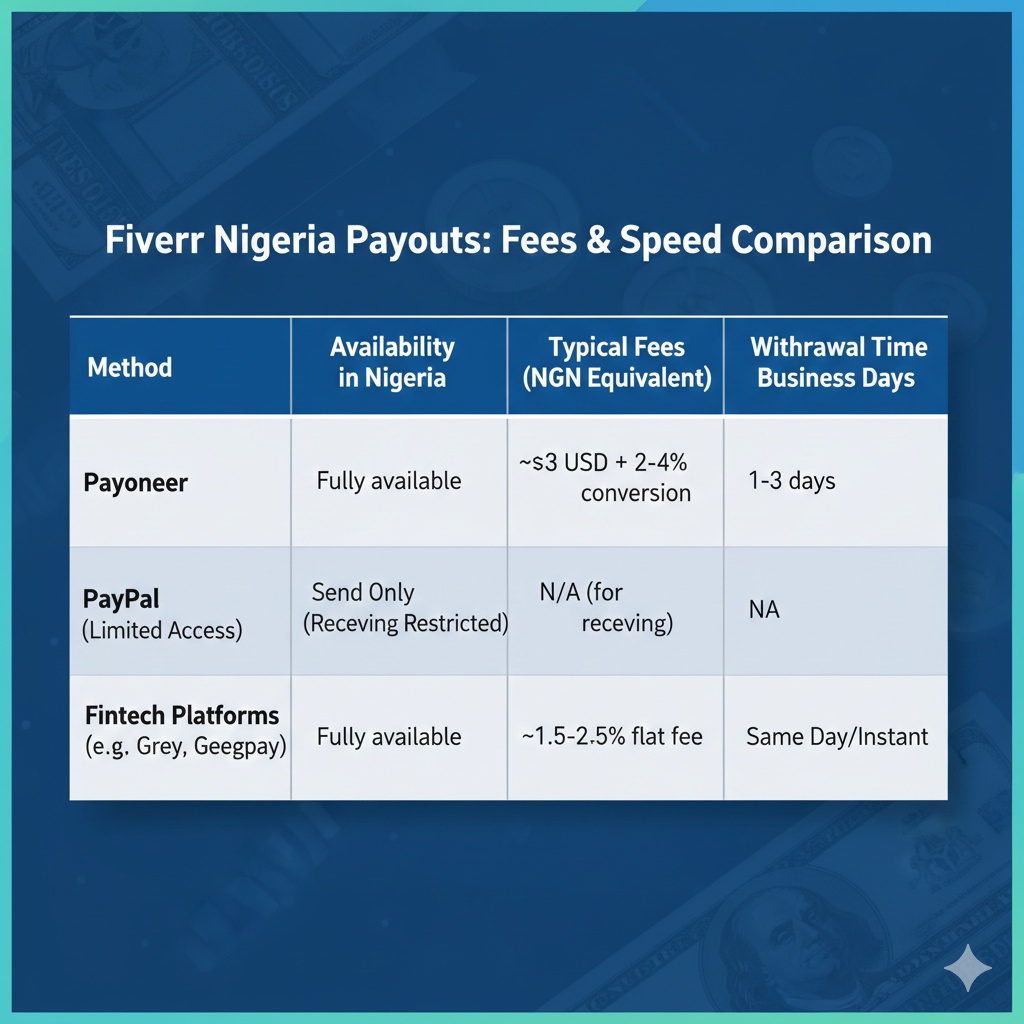
Nigerian sellers have several primary routes to withdraw their earnings. Each method involves different intermediaries and fee structures.
1. Payoneer
Payoneer remains a dominant choice for many Nigerian freelancers. It allows you to link a “Global Payment Service” to Fiverr, which acts like a virtual US bank account.
- Withdrawal Process: Once funds are cleared on Fiverr, you can transfer them to Payoneer. From there, you can withdraw directly to a Nigerian bank account in Naira.
- Fees: Payoneer typically charges a withdrawal fee (often around $1.50 to $3 depending on the transaction type) and a currency conversion fee that can range from 2% to 4.5%.
- Note: There is often an annual account maintenance fee of approximately $29.95 if you receive less than $2,000 in a year.
2. PayPal (Limited Access)
While PayPal is a global standard, its functionality in Nigeria remains restricted.
- Status: As of early 2026, most Nigerian PayPal accounts are “send-only,” meaning they can be used to buy services but not to receive payments.
- Workarounds: Some freelancers use accounts registered in other regions, but this carries significant risk, including the potential for permanent account freezes and loss of funds.
3. Fintech Solutions (e.g., Grey, Geegpay)
Modern fintech platforms have emerged to bridge the gap by providing virtual foreign bank accounts.
- Mechanism: You provide Fiverr with the US bank account details given to you by the fintech provider.
- Conversion: Once the USD hits your fintech wallet, you can convert it to Naira at the platform’s prevailing rate and withdraw to your local bank instantly.
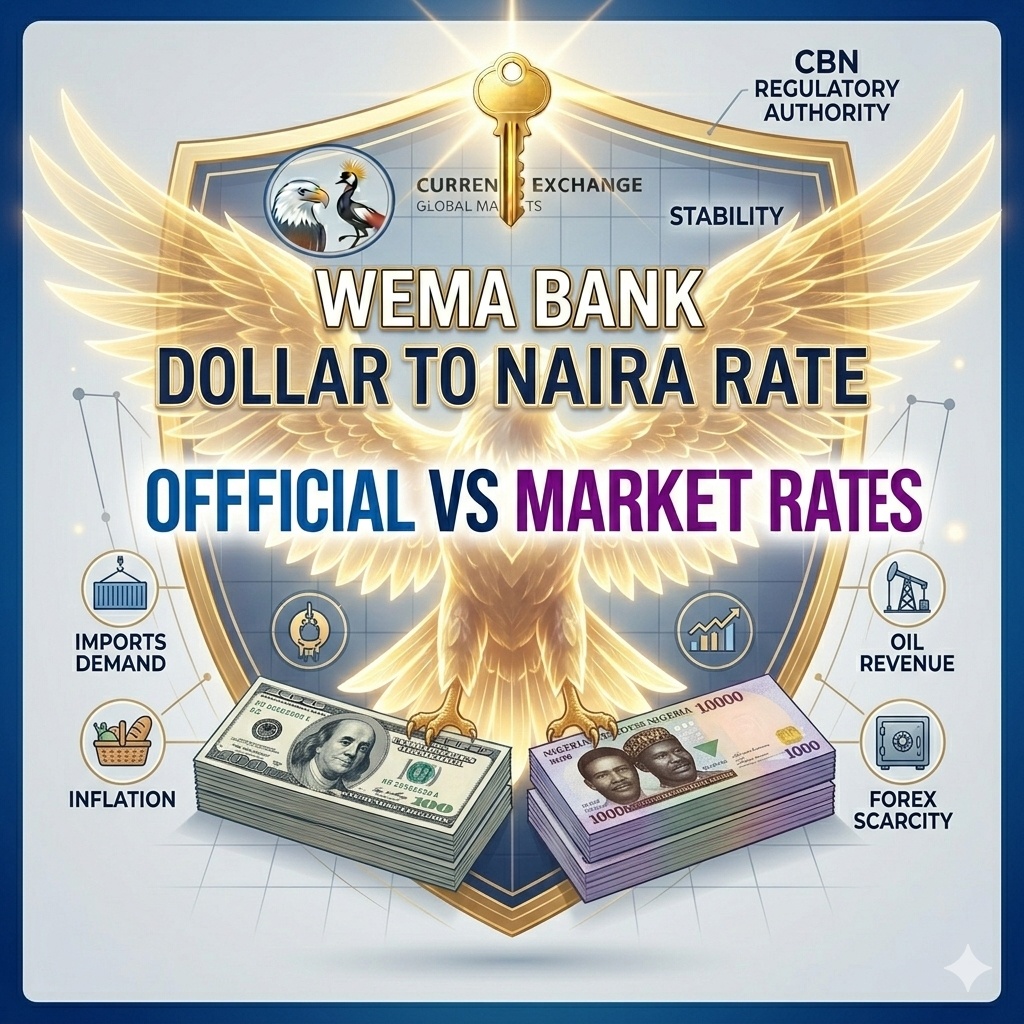
Official vs. Market Rates: What You Need to Know
In Nigeria, you will often hear about two different types of rates. Understanding the difference is critical for compliance and financial planning.
The Official Rate
The Official Rate is determined by the Central Bank of Nigeria (CBN) and is used for government transactions, official imports, and by commercial banks.
- Purpose: It is designed to provide a stable benchmark for the economy.
- Access: This rate is usually accessed through formal banking channels for specific documented needs.
Parallel / Market Rates
The Parallel Market Rate (often colloquially called the “black market” rate) is the rate at which currency is traded outside of the official government-controlled windows.
- Legal Awareness: While these rates are widely quoted in news sources, the CBN encourages the use of official channels to ensure the stability of the national currency.
- Risk: Transactions outside of regulated financial institutions do not carry the same consumer protections as bank-led transactions.
Why the Dollar Is Expensive in Nigeria
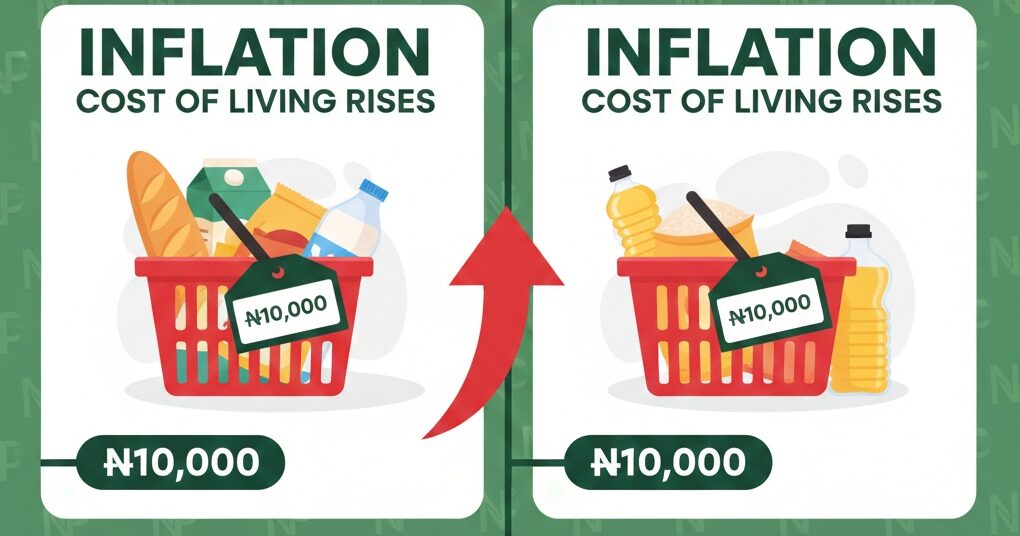
Several economic factors contribute to why the dollar may be “expensive” (meaning the Naira has less purchasing power):
- Import Dependency: Nigeria imports a vast majority of its consumer goods, from electronics to refined fuel. This creates a constant, high demand for dollars.
- Oil Revenue: As Nigeria’s primary export, fluctuations in global oil prices directly affect the amount of foreign currency flowing into the country.
- Inflation: When the local inflation rate is high, the value of the Naira tends to decrease relative to stronger currencies like the USD.
- Speculation: Uncertainty in the market can lead individuals to hold dollars as a “store of value,” further reducing the supply available for trade.
How Exchange Rates Affect Daily Life
For a freelancer, a “high” dollar rate might seem beneficial because they receive more Naira for their work. However, because Nigeria is import-dependent, a high exchange rate also drives up the cost of living:
- Food Prices: Many agricultural inputs and processed foods are imported, leading to higher grocery bills.
- Online Subscriptions: Services like Netflix, Adobe, or hosting for your portfolio are billed in USD, making them more expensive in Naira terms.
- Technology: Laptops, smartphones, and software—the tools of the trade for freelancers—are all priced based on the dollar rate.
Common Myths About Dollar to Naira Exchange
- “The rate is the same everywhere”: Rates can vary between different banks and fintech platforms based on their internal fees and the specific “window” they use for conversion.
- “The Dollar will crash tomorrow”: Currency markets are highly complex. No one can accurately predict short-term movements with 100% certainty.
- “Exchange rates are fixed by the government”: While the CBN sets an official rate, the market rate is driven by the laws of demand and supply.
How to Check Dollar to Naira Rates Safely
To avoid misinformation, always use verified sources:
- Commercial Banks: Check your bank’s official app or website for their current “Inbound Remittance” rates.
- CBN Website: The Central Bank of Nigeria publishes daily official exchange rates.
- Reputable Financial News: Sites like Bloomberg or local financial newspapers provide broader economic context.
- Avoid Unverified Social Media “Alphas”: Be cautious of individuals on social media promising “secret” rates or investment schemes.
Frequently Asked Questions (FAQs)
1. What is the official dollar to naira rate today? The official rate is set by the CBN and updated daily on their website. It typically reflects the rate used for interbank transactions.
2. Why is the dollar higher in Nigeria compared to previous years? This is largely due to high demand for imports, reduced foreign exchange inflows from oil, and broader inflationary pressures within the economy.
3. Is it legal to use fintech apps like Grey or Payoneer? Yes, these are legitimate financial technology companies that partner with licensed banks to provide payment services. However, always ensure you are using their official apps.
4. Does the dollar rate change on weekends? Official bank rates typically remain static over the weekend as the formal markets are closed, but market-driven rates may still fluctuate slightly.
5. Can I withdraw USD directly from a Nigerian ATM? Most Nigerian ATMs only dispense Naira. To get physical USD, you generally need a domiciliary account and must withdraw over the counter at your bank.
6. Do I have to pay tax on my Fiverr earnings in Nigeria? Yes. Under the 2026 tax reforms, Nigerian residents are required to declare worldwide income. There is a tax-free threshold of ₦800,000 per year; earnings above this are subject to progressive tax rates.
Conclusion
Understanding Fiverr payment methods in Nigeria 2026 is about more than just finding the highest conversion rate. It is about choosing a secure, compliant, and sustainable way to manage your hard-earned foreign income. By staying informed through official channels and understanding the broader economic factors at play, Nigerian freelancers can better navigate the complexities of the global gig economy.
For daily currency education and further explanations on managing your foreign earnings, visit dollarnaija.com.ng.