
Introduction
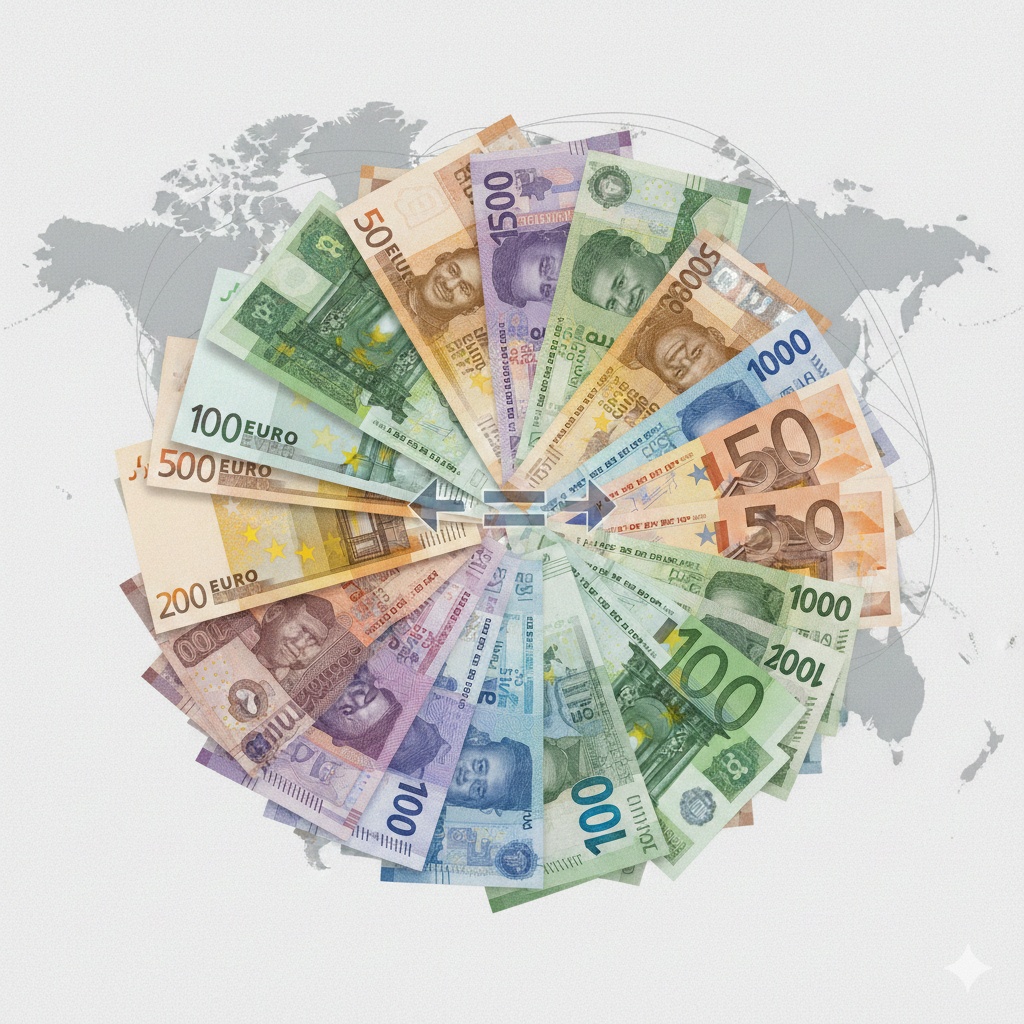
The economic landscape in Nigeria is deeply intertwined with international currencies. For many Nigerians, staying informed about the Euro to Naira exchange rate today is not just a matter of curiosity but a necessity for planning daily life and business. Whether you are a student paying international tuition, a business owner importing goods from the European Union, or a traveler preparing for a trip, the value of the Naira (NGN) against the Euro (EUR) plays a pivotal role in your financial decision-making.
In recent years, the volatility of the Nigerian foreign exchange market has made “Euro to Naira exchange rate today” one of the most frequent searches. This interest is driven by several factors, including rising inflation, a heavy reliance on imported finished goods, and the global shifts in oil prices, which remain Nigeria’s primary source of foreign exchange. This article is written to help readers understand currency exchange concepts in Nigeria, providing a neutral, educational overview of how the exchange system functions without offering financial or investment advice.
Table of Contents
What Is the Euro to Naira Exchange Rate?
In simple terms, an exchange rate is the price of one currency expressed in terms of another. When we discuss the Euro to Naira exchange rate today, we are looking at how many Nigerian Naira are required to purchase one Euro.
- EUR (Euro): The official currency of the Eurozone, which consists of 20 of the 27 member states of the European Union.
- NGN (Naira): The legal tender of the Federal Republic of Nigeria.
The exchange rate is determined by the global foreign exchange market (Forex), where currencies are traded 24 hours a day. It acts as a barometer for the economic health of a nation relative to its trading partners. If the Euro strengthens or the Naira weakens, the rate goes up, meaning more Naira are needed for the same amount of Euros.
Official Euro to Naira Rate in Nigeria
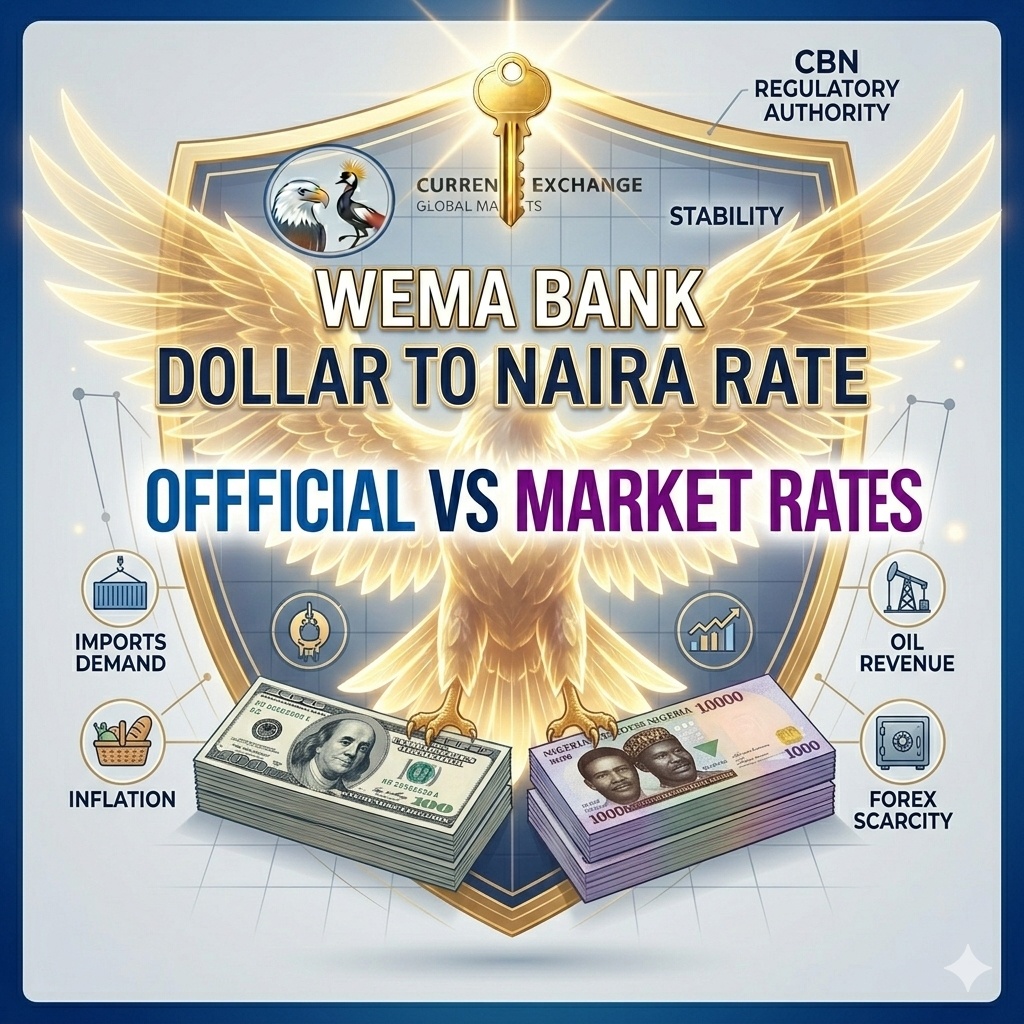
The “official rate” refers to the exchange price set or recognized by the Central Bank of Nigeria (CBN). This rate is typically used for government transactions, official international debt servicing, and by authorized dealers such as commercial banks for approved transactions (like Form A for school fees or Form M for imports).
The Role of the Central Bank of Nigeria (CBN)
The CBN manages the country’s foreign exchange reserves and implements monetary policies to maintain the stability of the Naira. The official rate exists to:
- Provide a standardized benchmark for international trade.
- Manage the demand for foreign currency within the banking system.
- Control imported inflation by attempting to keep essential costs predictable.
In a unified or floating market system, the official rate is intended to reflect the prevailing market forces of supply and demand while being monitored by the regulator to prevent extreme volatility.
Parallel and Market Rates Explained
In Nigeria, there is often a distinction between the official rate and what is commonly referred to as the parallel market or “black market” rate. It is important to discuss these differences with a focus on legal and risk awareness.
The parallel market is an unofficial channel for currency exchange. These rates are often higher than the official window because they are driven by immediate, unregulated supply and demand. While many people look at these rates to gauge the “real-world” value of the currency, they come with significant risks:
- Counterfeit Risk: Unofficial channels lack the security protocols of established banks.
- Legal Risks: Engaging in unauthorized currency trading can lead to legal complications under Nigerian financial laws.
- No Recourse: Unlike transactions through commercial banks, there is no regulatory body to protect you if a transaction goes wrong.
Understanding these rates is helpful for economic awareness, but users are always encouraged to use authorized financial institutions for their currency needs.
Why the Euro Is Expensive in Nigeria
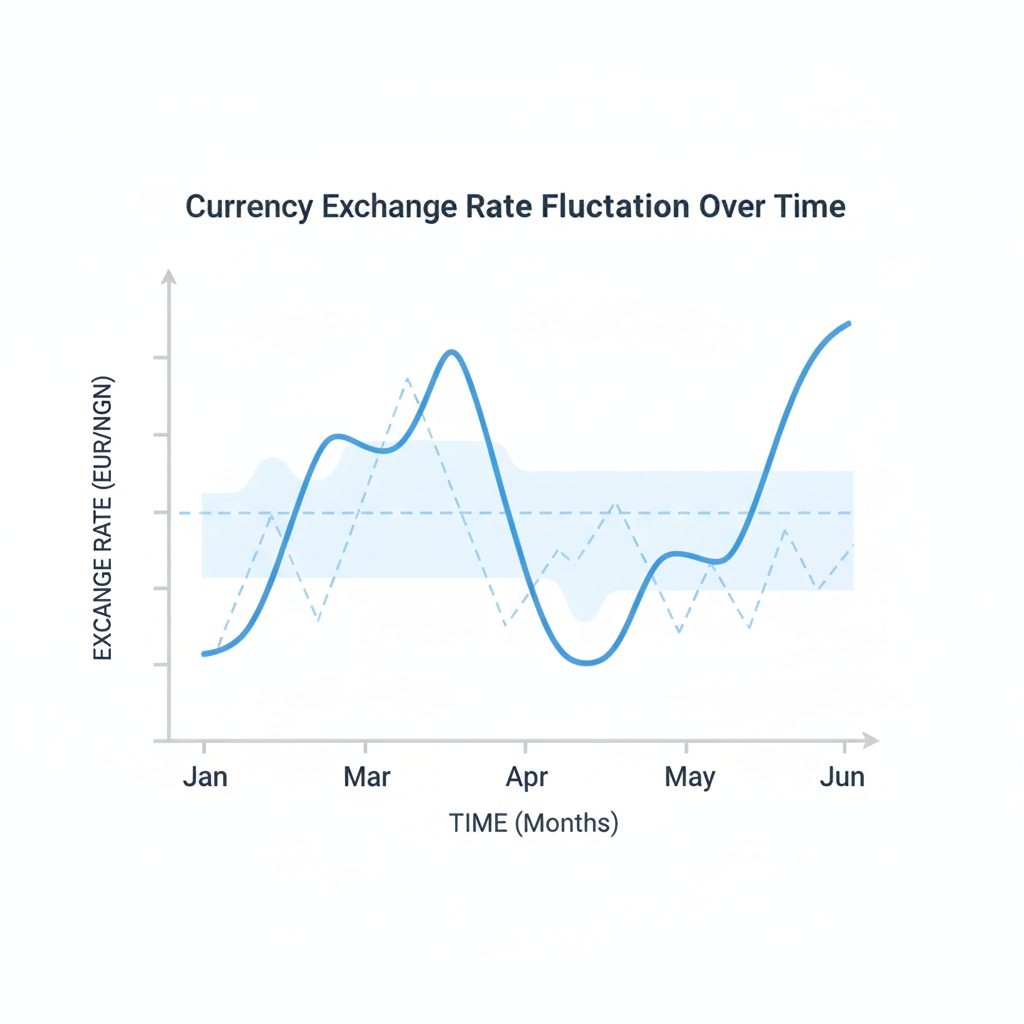
Several macroeconomic factors contribute to why the Euro might be expensive relative to the Naira.
1. Import Dependency
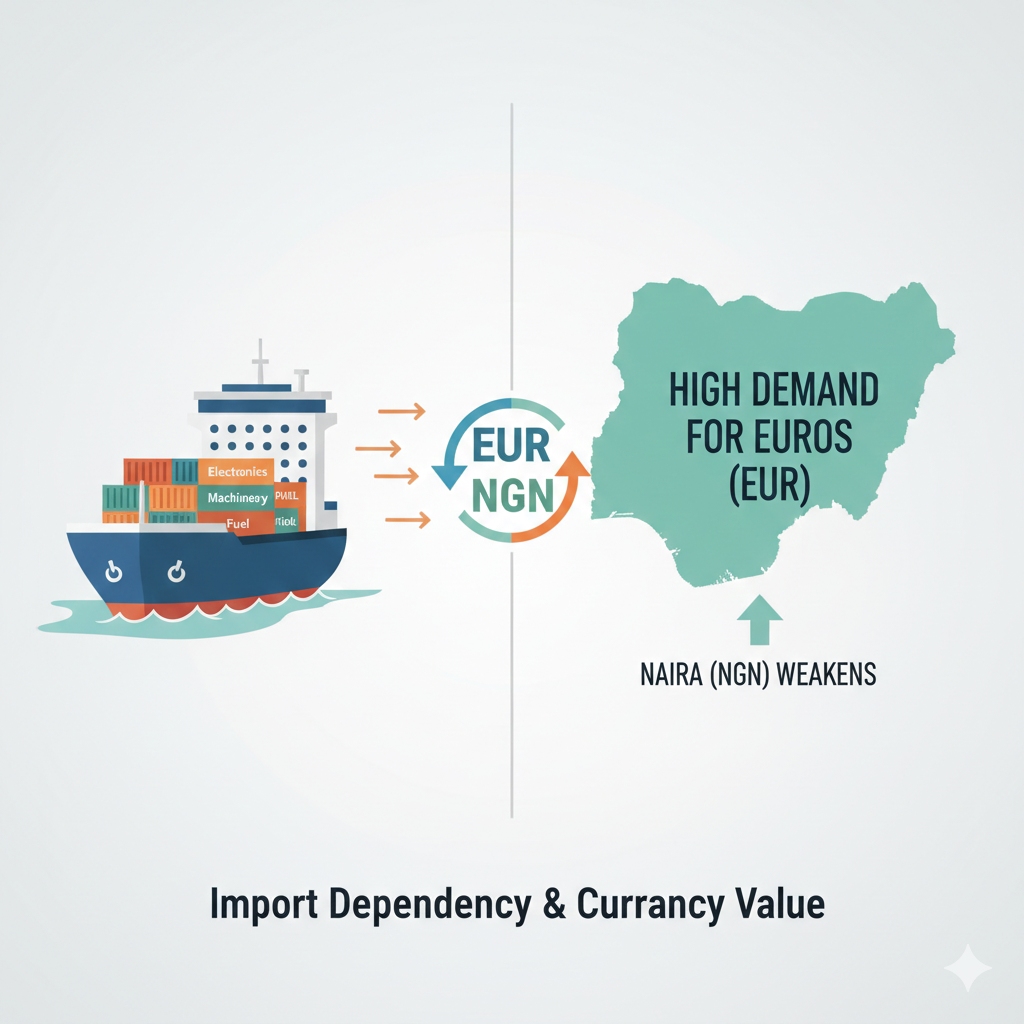
Nigeria relies heavily on imported goods, ranging from machinery to refined petroleum and consumer electronics. Since many of these items are sourced from Europe, there is a constant, high demand for Euros. When demand for a currency exceeds its supply, its price rises.
2. Oil Revenue Fluctuations
As an oil-dependent economy, Nigeria’s foreign exchange supply is tied to global crude oil prices. When oil prices drop or production is interrupted, the country earns fewer Euros and Dollars, leading to a shortage of foreign exchange and a subsequent devaluation of the Naira.
3. Inflation
When the inflation rate in Nigeria is significantly higher than that in the Eurozone, the purchasing power of the Naira decreases. This often leads to a depreciation of the currency on the international market.
4. Market Sentiment and Speculation
Economic stability, political climate, and investor confidence also play roles. If investors perceive a risk in holding Naira, they may move their assets into “hard currencies” like the Euro, further driving up the exchange rate.
How Exchange Rates Affect Daily Life in Nigeria

The Euro to Naira exchange rate today has a direct “trickle-down” effect on the average Nigerian household.
- Food and Grocery Prices: Even locally produced goods often require imported fertilizers or transportation parts, the costs of which rise when the Naira weakens.
- Energy and Fuel: While Nigeria produces crude oil, it imports a significant portion of its refined fuel. Exchange rate hikes often lead to higher costs at the pump.
- Education: Many Nigerians study in Europe. A spike in the Euro rate means that the Naira equivalent of tuition and living expenses increases, sometimes mid-semester.
- Travel: Flight tickets for international routes are priced based on global standards. A weaker Naira makes international travel significantly more expensive for Nigerians.
Common Myths About Euro to Naira Exchange
To maintain financial awareness, it is crucial to debunk common misconceptions:
- Myth: “The rate is the same everywhere.” In reality, rates can vary between different banks and official platforms based on transaction fees and the specific “window” being used.
- Myth: “The government can simply fix the rate at a low price.” While the government can set an official rate, market forces (supply and demand) ultimately dictate the currency’s value. Artificially low rates often lead to scarcity.
- Myth: “The Euro will crash tomorrow.” Currency markets are highly complex. Sudden “crashes” are rare for major global currencies like the Euro; changes are usually gradual and based on documented economic shifts.
How to Check Euro to Naira Rates Safely
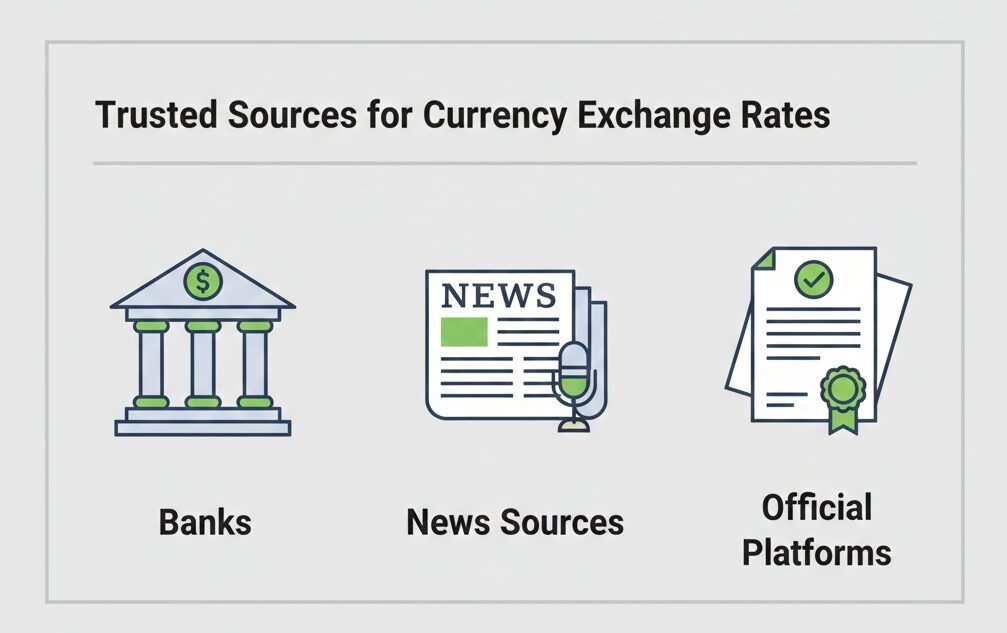
In an era of misinformation, sourcing your data correctly is vital.
- Commercial Bank Apps: Most Nigerian banks provide daily updates on official exchange rates within their mobile apps.
- Central Bank of Nigeria (CBN) Website: The ultimate authority for official rates and monetary policy updates.
- Reputable Financial News Outlets: Organizations that focus on economic reporting provide context alongside the numbers.
- Official Forex Platforms: Platforms recognized by the FMDQ Exchange provide transparent data on market turnover and closing rates.
Avoid relying on social media rumors or unverified “alerts” that do not cite a credible financial source.
FAQ Section
What is the official Euro to Naira rate today? The official rate is determined by the CBN and authorized market dealers. It is updated daily on the CBN website and through commercial banks.
Why is the Euro higher than the Naira? The Euro is backed by the combined economies of the Eurozone and is a major global reserve currency. The Naira’s value is influenced by local inflation, import levels, and oil revenues.
Is the black market rate legal? The Central Bank of Nigeria encourages all citizens to use authorized dealers (banks) for foreign exchange. Transactions outside of these channels may carry legal risks and lack consumer protection.
Does the Euro to Naira rate change daily? Yes. The foreign exchange market is active on business days, and rates fluctuate based on global and local economic events.
Can I buy Euros directly from my bank? Yes, provided you have a valid reason (such as travel, school fees, or medical bills) and the necessary documentation (Form A or Form M).
Where can I find the most trusted rates? The most reliable sources are the Central Bank of Nigeria (CBN), the FMDQ Exchange, and your local commercial bank.
Conclusion
Staying informed about the Euro to Naira exchange rate today is a key part of financial literacy in Nigeria. While the fluctuations can be challenging, understanding the “why” behind the numbers allows individuals and businesses to plan more effectively. By focusing on official sources and understanding the broader economic factors at play—like inflation and import dependency—you can navigate the financial landscape with greater confidence.
For daily currency education and explanations, visit dollarnaija.com.ng.