
Introduction
Every day, thousands of Nigerians search for the latest dollar to naira exchange rate. Whether you are a student paying international school fees, a business owner importing goods, or a freelancer receiving payments from abroad, the value of the United States Dollar (USD) against the Nigerian Naira (NGN) plays a massive role in your financial life.
With fluctuating inflation rates and high import dependency, understanding currency exchange is more crucial than ever in 2026. Frequent travelers and digital consumers also closely monitor these rates to manage daily expenses for streaming services, software tools, and international e-commerce. Because traditional bank cards often come with strict international spending caps, many Nigerians actively seek out alternative financial tools. This has led to high search volumes for topics like Klasha dollar card limits, as consumers look for reliable ways to spend online without interruption.
Disclaimer: This content is for informational purposes only. Exchange rates may vary by source, and this article does not constitute financial, trading, or investment advice. Our goal is to provide clear, educational, and risk-neutral explanations of currency concepts.
Table of Contents
What Is the Dollar to Naira Exchange Rate?
To understand how global finance works, you first need to understand the basic concept of an exchange rate. An exchange rate is simply the price of one country’s currency expressed in terms of another country’s currency. In this context, the dollar to naira exchange rate tells you exactly how many Nigerian Naira (NGN) you need to purchase one United States Dollar (USD).
The United States Dollar serves as the primary global reserve currency. This means that a large percentage of international trade, global commodities (like crude oil and gold), and cross-border debt are priced in USD. The Nigerian Naira, on the other hand, is the fiat currency of Africa’s most populous nation.
When the exchange rate changes, it directly impacts purchasing power. If the rate goes up, it means the dollar has strengthened against the naira, and you will need more naira to buy the same amount of dollars. Conversely, if the rate goes down, the naira has gained value against the dollar. Understanding this relationship is the foundation of financial literacy and economic awareness in any developing economy.
Official Dollar to Naira Rate in Nigeria
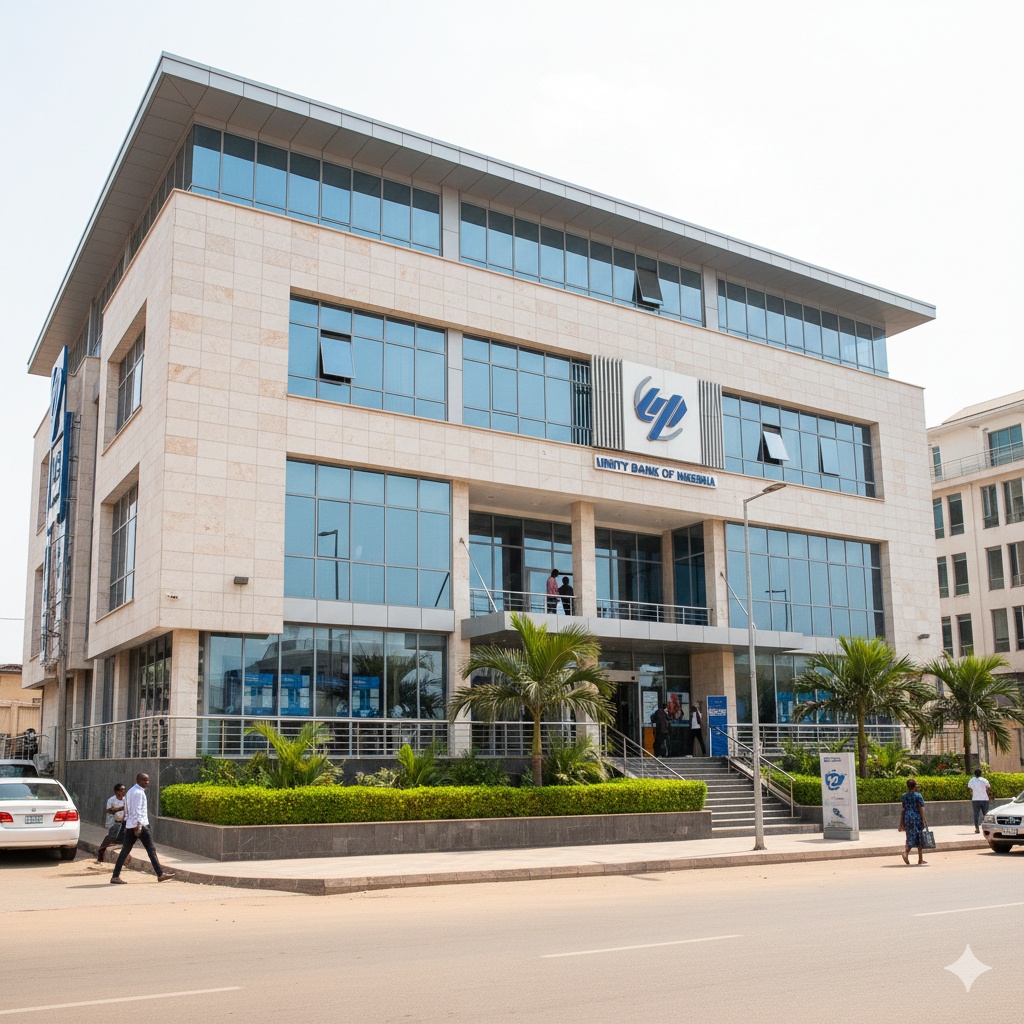
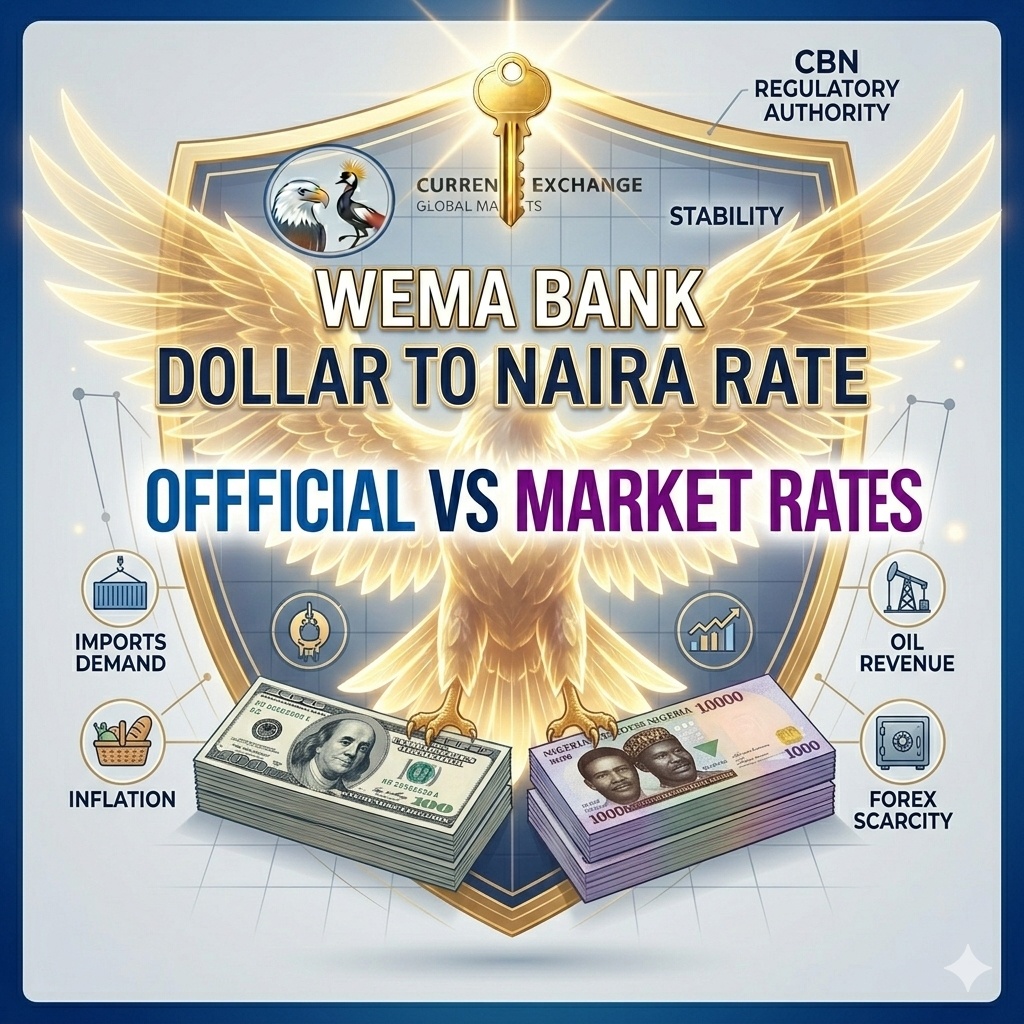
When financial news outlets discuss the “official rate,” they are referring to the exchange rate recognized and processed through the formal banking sector and regulated channels. In Nigeria, the official foreign exchange market is overseen by the Central Bank of Nigeria (CBN).
The official rate is primarily determined within the Nigerian Autonomous Foreign Exchange Market (NAFEM). This is a regulated trading window where authorized dealers, such as commercial banks, trade foreign exchange with the central bank, corporate institutions, and individual clients.
The official rate exists to ensure a structured, transparent, and documented flow of foreign currency into and out of the country. It is heavily utilized for:
- Government transactions and international debt servicing.
- Customs duty valuation for imported goods.
- Corporate clearing and multinational business repatriations.
- Personal Travel Allowance (PTA) and Business Travel Allowance (BTA) processed through commercial banks.
Nigeria has transitioned through various exchange rate policies, moving towards a willing-buyer and willing-seller model to allow market forces to play a larger role in determining the true value of the currency within the official window.
Parallel / Market Rates Explained (Neutral Tone)
Alongside the official banking channels, Nigeria also experiences what is known as the parallel market, commonly referred to as the unofficial or informal market. It is crucial to understand the difference between these markets from a purely educational standpoint.
The parallel market arises primarily due to the basic economic principles of demand and supply. When the demand for foreign currency by importers, travelers, and businesses exceeds the immediate supply available through the official banking windows, some individuals turn to the informal sector to meet their foreign exchange needs.
While the parallel market often offers faster access to foreign currency, it operates outside the direct regulatory oversight of the Central Bank of Nigeria. Engaging in informal currency exchange carries significant risks, including:
- Lack of legal protection: Transactions are not documented formally, meaning there is no recourse if a dispute occurs.
- Counterfeit currency risks: Without banking-grade verification tools, the risk of receiving counterfeit bills increases.
- High volatility: Rates in the informal market fluctuate rapidly based on speculation rather than strict economic fundamentals.
For financial safety, economic transparency, and legal compliance, it is always recommended to utilize formal, regulated banking channels for all foreign exchange transactions.
Why the Dollar Is Expensive in Nigeria
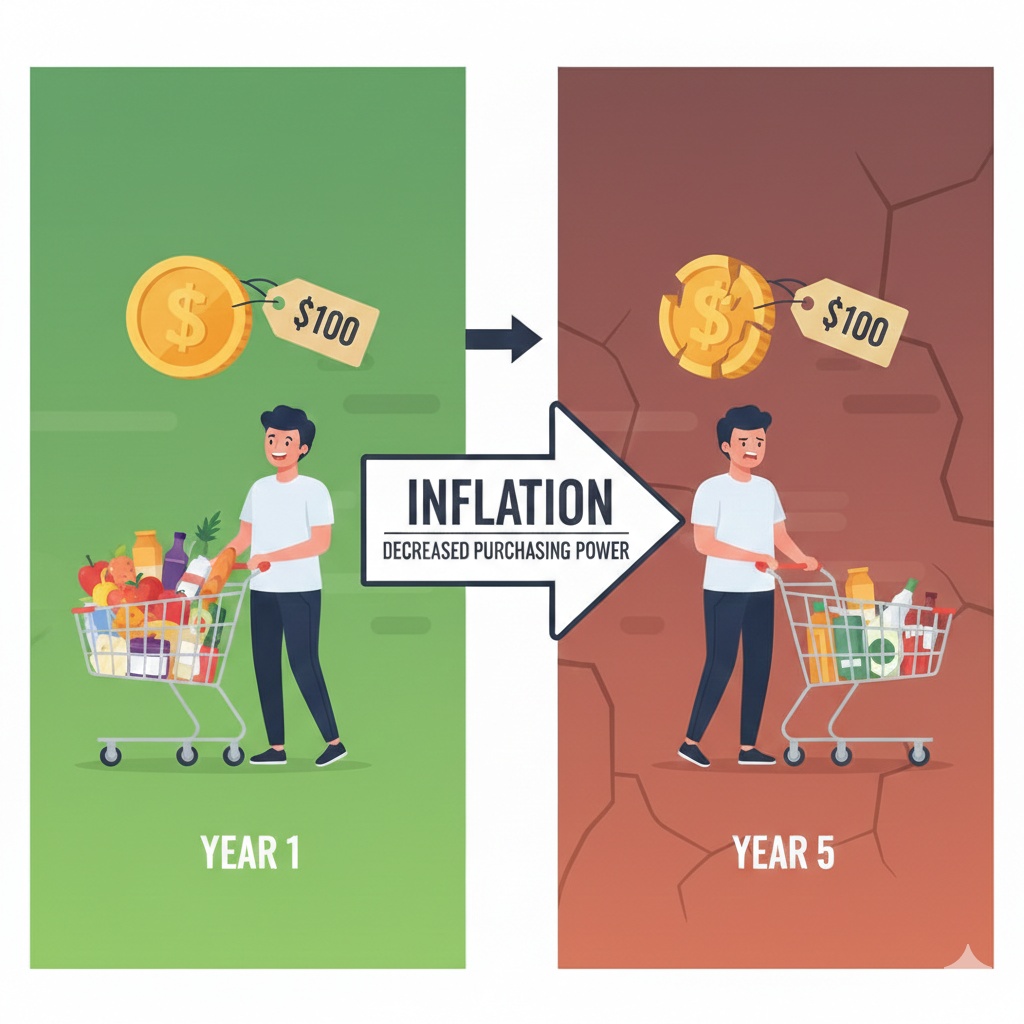
The cost of acquiring a dollar in Nigeria is influenced by a complex web of macroeconomic factors. Understanding these factors provides clear insight into why the exchange rate sits where it does.
Inflation
Inflation is the rate at which the general level of prices for goods and services is rising. When Nigeria experiences higher inflation compared to the United States, the purchasing power of the naira diminishes at a faster rate than the dollar. This economic reality naturally leads to a higher exchange rate as it takes more naira to match the retained value of the dollar.
Import Dependency
Nigeria relies heavily on imported goods. From manufactured products and heavy machinery to pharmaceuticals and textiles, a large portion of the country’s consumption is brought in from abroad. To pay international suppliers, Nigerian importers must convert their naira to dollars. This constant, massive demand for USD puts continuous upward pressure on the exchange rate.
Oil Revenue Factors
Historically, Nigeria’s primary source of foreign exchange has been crude oil exports. When global oil prices drop, or when domestic production volumes decline due to infrastructure challenges, the total amount of US dollars entering the Nigerian economy shrinks. A reduced supply of dollars, coupled with steady or increasing demand, forces the exchange rate higher.
Demand and Supply
At its core, the foreign exchange market is driven by supply and demand. If thousands of businesses and students are simultaneously requesting dollars to pay for overseas obligations, and the available pool of dollars is limited, the price (exchange rate) will naturally rise.
How Exchange Rates Affect Daily Life in Nigeria
The dollar to naira exchange rate is not just a number on a financial dashboard; it directly impacts the daily lives of average citizens.
Food Prices
Even locally grown food is affected by exchange rates. Farmers rely on imported fertilizers, pesticides, and tractors. Furthermore, the logistical costs of transporting food across the country are heavily influenced by imported vehicle parts and maintenance tools, which are all priced based on the dollar.
Fuel
Despite being a major crude oil producer, Nigeria has historically relied on imported refined petroleum products due to limited domestic refining capacity. The cost of importing this fuel is calculated in dollars, meaning exchange rate fluctuations can directly influence the cost of transportation and power generation for households and businesses.
School Fees
For families sponsoring children in universities abroad, the exchange rate dictates their exact financial burden. A sudden shift in the rate can mean millions of additional naira are required to meet the same dollar-denominated tuition fee.
Online Subscriptions
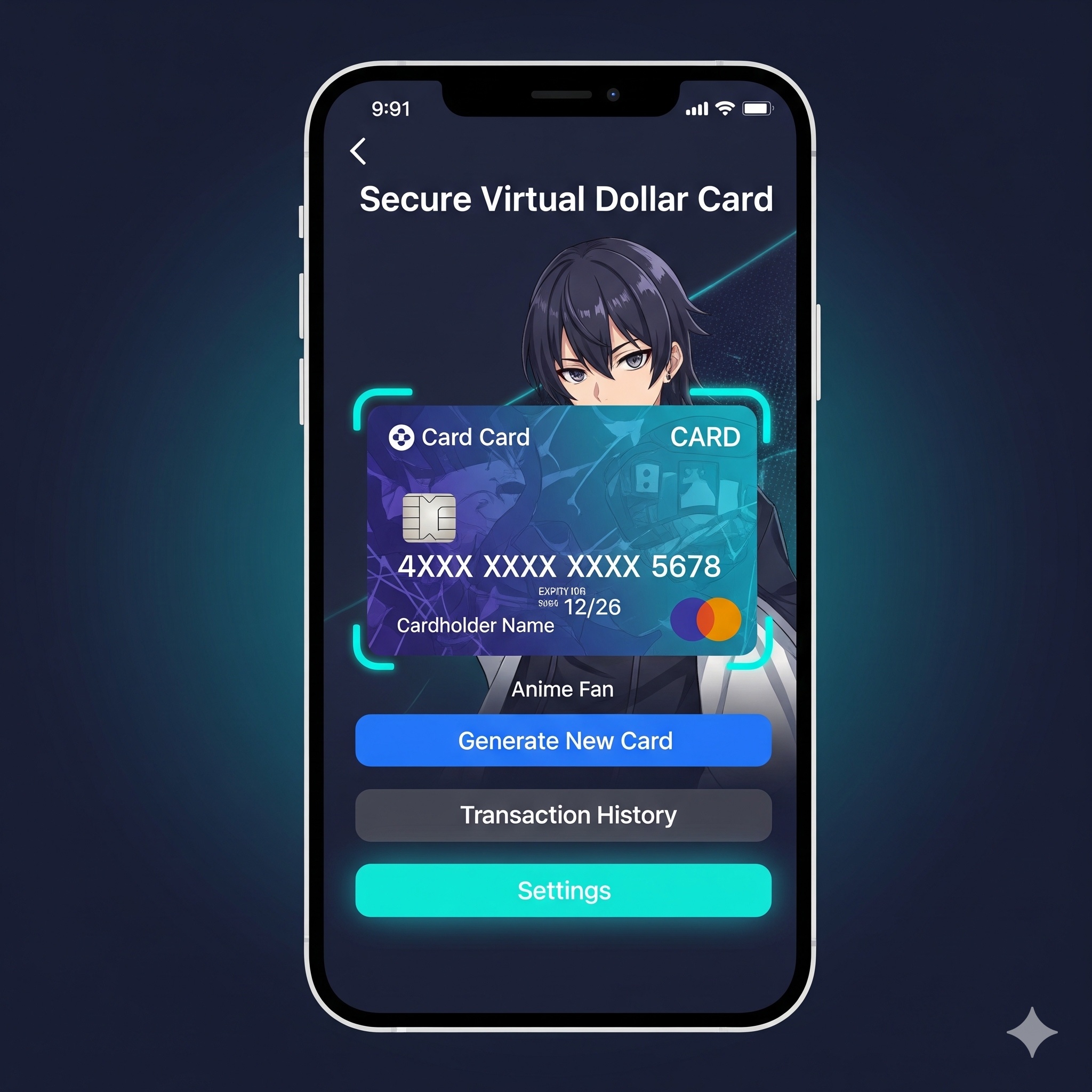
Digital connectivity means Nigerians consume global digital products daily. From Netflix and Apple Music to professional tools like Adobe, AWS, and Facebook Ads, payments are usually settled in dollars. Because traditional commercial bank cards in Nigeria have frequently implemented tight international spending caps (sometimes as low as $20 a month), consumers often struggle to pay for these services.
To solve this, many digital natives turn to financial technology platforms that issue virtual cards. Consequently, analyzing Klasha dollar card limits has become a vital part of personal financial planning for freelancers and digital marketers. Platforms like Klasha are popular because they offer virtual dollar cards that typically bypass the traditional $20 restrictions, allowing users to safely fund their cards and pay for higher-priced international subscriptions and online shopping without experiencing daily transaction rejections.
Travel Costs
Aviation is a dollar-dominated industry. Airlines purchase aircraft, buy aviation fuel, and pay for international insurance in USD. When the naira weakens, airlines must adjust their naira-denominated ticket prices upwards to ensure they can repatriate their earnings and cover their operational costs.
Common Myths About Dollar to Naira Exchange
Currency markets are complex, leading to widespread misunderstandings. Here are a few common myths debunked:
Myth 1: “The dollar will crash soon”
Currencies do not “crash” based on public sentiment. They respond to strict macroeconomic data, government policies, foreign reserves, and global geopolitical events. Predicting a sudden, massive drop in any global currency is speculative and not rooted in sound financial education.
Myth 2: “The exchange rate is exactly the same everywhere”
Whether you use a commercial bank, a money transfer operator, or a fintech app, rates will vary slightly. This is due to the “spread”—the difference between the buying and selling price—which institutions use to cover operational costs and mitigate the risk of market volatility.
Myth 3: “Exchange rates are fixed permanently”
While some countries peg their currency firmly to the dollar, Nigeria operates a managed floating system. This means the rate is allowed to move based on market forces, with the central bank occasionally intervening to stabilize extreme volatility.
How to Check Dollar to Naira Rates Safely
In an era of digital misinformation, knowing where to find accurate financial data is critical. Relying on unverified social media posts or street-level rumors can lead to poor financial decisions.
To check exchange rates safely and accurately:
- Commercial Banks: Your local bank’s official website or mobile application will display the most accurate rate for personal and business travel allowances or card transactions.
- Official Platforms: The Central Bank of Nigeria (CBN) website publishes daily exchange rate data. Additionally, the FMDQ Securities Exchange provides transparent, real-time data on the NAFEM window.
- Financial News Sources: Trusted institutional bodies like the National Bureau of Statistics (NBS) and reputable national newspapers provide verified economic data.
- Avoid Unverified Sources: Never rely on anonymous messaging groups or unverified web forums for financial data, as these often amplify panic and present speculative, risk-heavy information.
Frequently Asked Questions (FAQs)
What is the official dollar to naira rate?
The official rate is the exchange rate determined through the Nigerian Autonomous Foreign Exchange Market (NAFEM), regulated by the Central Bank of Nigeria. It fluctuates based on the market dynamics of willing buyers and willing sellers within the formal banking sector.
Why is the dollar higher in Nigeria compared to previous years?
The higher exchange rate is primarily driven by inflation, heavy reliance on imported goods, fluctuations in foreign exchange reserves due to global oil price shifts, and a general mismatch between the high demand for dollars and the available supply.
What are the Klasha dollar card limits?
Many Nigerians search for Klasha dollar card limits because traditional bank cards often restrict international spending to $20 per month. Klasha markets its virtual dollar cards as a solution with virtually no restrictive limits for standard online spending, allowing users to easily pay for subscriptions, software, and international e-commerce without traditional banking constraints.
Is the black market rate legal?
The informal or parallel market operates outside the regulatory framework of the Central Bank of Nigeria. While it exists due to supply constraints, it is not a formally recognized or legally protected financial channel. Utilizing formal banking channels is highly recommended for safety and compliance.
Does the dollar rate change daily?
Yes, in a floating or managed-floating exchange rate system, the rate can change daily—and even hourly—based on active market trading, global economic news, and local supply and demand mechanics.
Where can I check trusted rates?
Trusted rates can be found on the official portal of the Central Bank of Nigeria (CBN), the FMDQ Securities Exchange website, official commercial banking applications, and verified financial news publications.
Conclusion
Understanding the dollar to naira exchange rate is essential for navigating the modern Nigerian economy. From the official rates managed by the central bank to the everyday impacts on food, school fees, and online subscriptions, currency valuation dictates much of our financial reality.
By educating yourself on the macroeconomic factors that drive these changes—such as inflation and import dependency—you can make more informed and strategic decisions. Furthermore, understanding the tools available in the digital economy, such as evaluating Klasha dollar card limits for uninterrupted international spending, empowers you to manage your global transactions safely and efficiently. Always rely on verified, regulated channels for your currency exchange needs, and maintain a long-term, risk-neutral perspective on personal finance.
For daily currency education and straightforward explanations of the Nigerian economy, visit dollarnaija.com.ng.