
Introduction
In the current economic climate of 2026, the relationship between the Nigerian Naira (NGN) and the United States Dollar (USD) remains a central topic for millions of Nigerians. Whether you are a student paying tuition abroad, a business owner importing essential raw materials, or a traveler planning a trip, understanding how to navigate the foreign exchange (FX) market is crucial.The search for the best app to buy dollars in Nigeria is driven by a need for convenience, transparency, and competitive pricing. However, with the evolution of the Nigerian Foreign Exchange Market (NFEM) and various Central Bank of Nigeria (CBN) reforms, the landscape of “buying dollars” has shifted from physical stalls to digital platforms. This guide provides a comprehensive overview of how exchange rates work in Nigeria today and how to use modern financial tools responsibly.
Table of Contents
Table of Contents
What Is the Dollar to Naira Exchange Rate?
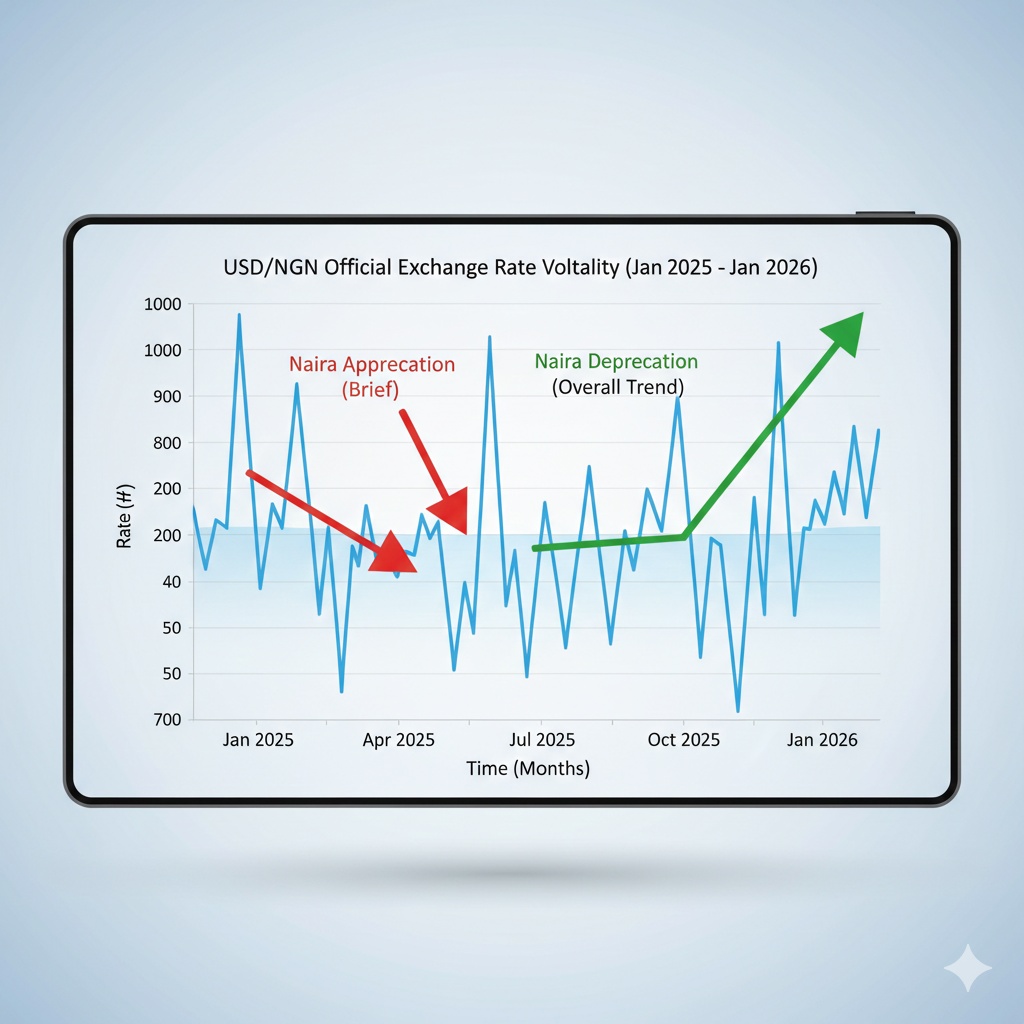
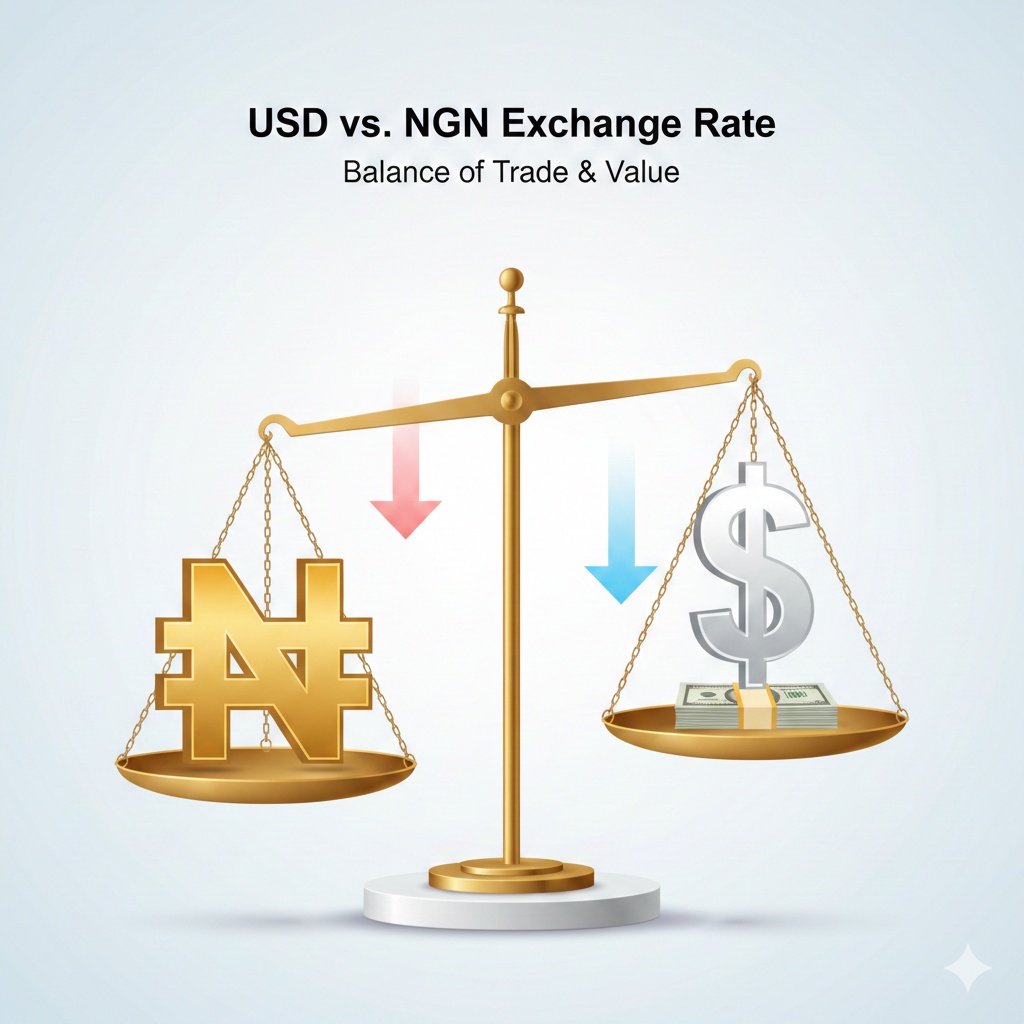
At its core, an exchange rate is simply the price of one currency in terms of another. For Nigerians, the USD/NGN pair represents how many units of Naira are required to purchase one United States Dollar.
The United States Dollar (USD) serves as the world’s primary reserve currency, used for the majority of international trade. The Nigerian Naira (NGN), our national currency, fluctuates in value against the dollar based on international demand for Nigerian exports (primarily oil) and the domestic demand for foreign goods and services.
In a perfectly balanced economy, these rates would be stable. However, in Nigeria, the rate is “floating,” meaning it changes daily based on market forces and government interventions.
Official Dollar to Naira Rate in Nigeria
The “Official Rate” refers to the price of the dollar as determined in the Nigerian Foreign Exchange Market (NFEM), overseen by the Central Bank of Nigeria (CBN).
The Role of the Central Bank (CBN)
The CBN acts as the regulator of the financial system. Its primary goal is to maintain monetary stability and protect the value of the Naira. In 2026, the CBN continues to use a “willing buyer, willing seller” model, where the rate is determined by the actual trades happening between authorized banks and their customers.
Why Official Rates Matter
Official rates are typically lower than those found in the open market. They are used for:
- Government transactions and international debt servicing.
- Approved “Form A” applications (School fees, medical bills).
- Personal Travel Allowance (PTA) and Business Travel Allowance (BTA).
Accessing the dollar at the official rate usually requires documentation, such as a valid visa, admission letter, or invoice from an overseas institution.
Parallel and Market Rates Explained (Neutral Tone)
In addition to the official window, there is the “Parallel Market” or “Open Market.” This is a decentralized market where the dollar is traded outside the direct control of the CBN.
Why Does This Market Exist?
The parallel market exists primarily due to a gap between the demand for dollars and the available supply in the official banking system. When individuals or businesses cannot access USD through their banks—perhaps because they don’t meet the strict documentation requirements or the bank’s liquidity is low—they turn to the open market.
Risks and Legal Awareness
While the open market is widely used for its speed, it comes with significant risks:
- Volatility: Rates can change multiple times a day.
- Security: Physical transactions carry risks of theft or counterfeit currency.
- Legal Standing: The government periodically introduces regulations regarding who can trade currency. It is always safer to conduct transactions through Authorized Dealers (licensed banks and Bureau De Change operators).
Why Is the Dollar Expensive in Nigeria?
Several macroeconomic factors contribute to the high cost of the dollar in Nigeria. Understanding these helps in making sense of why the best app to buy dollars in Nigeria might show different figures than what you saw a month ago.
- Import Dependency: Nigeria imports a vast majority of its consumer goods, electronics, and even refined fuel. This creates a constant, massive demand for dollars to pay foreign suppliers.
- Oil Revenue Fluctuations: Oil is Nigeria’s primary source of foreign exchange. When global oil prices drop or domestic production is disrupted, the country earns fewer dollars, leading to a scarcity that drives up the price.
- Inflation: As the domestic price of goods rises (inflation), the purchasing power of the Naira weakens, often leading to a depreciation against stronger currencies like the USD.
- Speculation: When people fear the Naira will lose value, they often buy dollars as a “store of value,” which ironically increases the demand for USD and causes the Naira to drop further.
How Exchange Rates Affect Daily Life in Nigeria
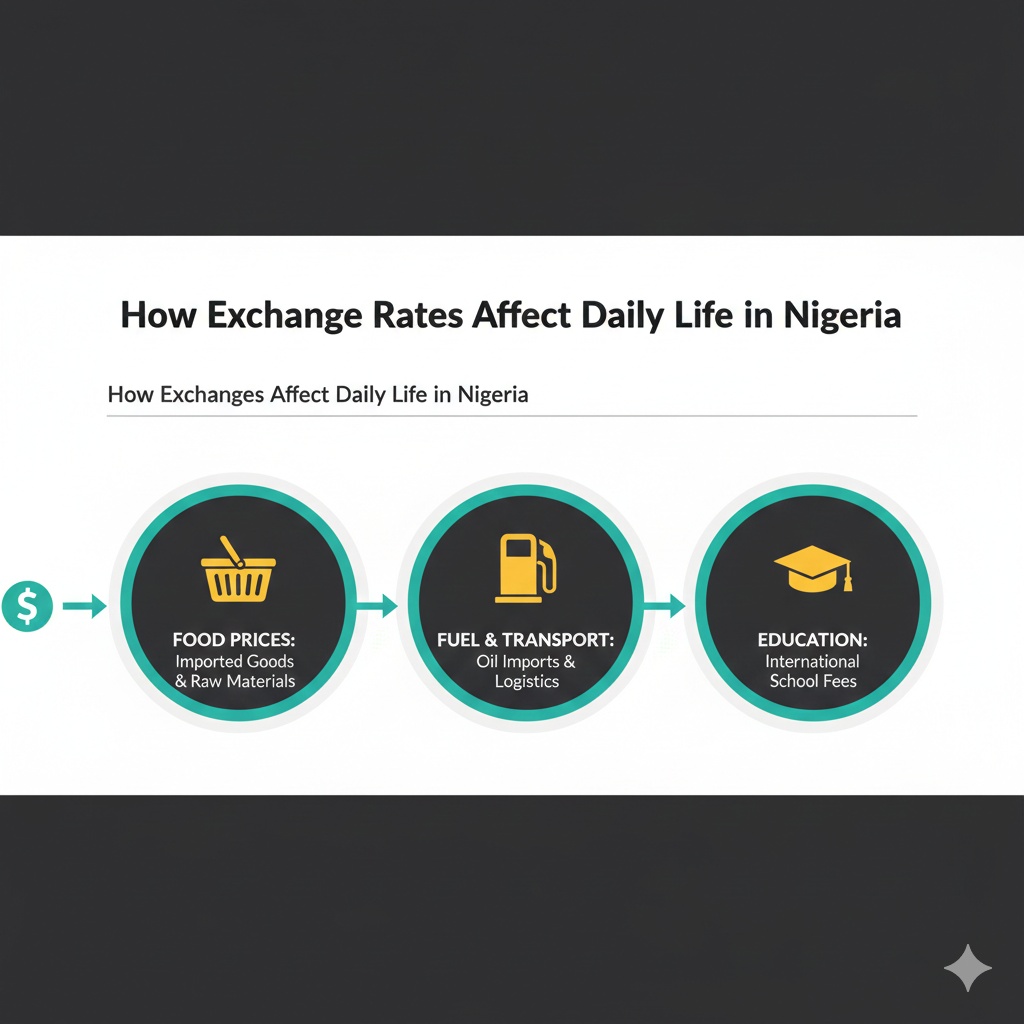
The exchange rate is not just a number on a screen; it impacts every Nigerian household.
- Food Prices: Even locally grown food is affected because fertilizers, tractor parts, and transportation fuel often have “dollar components” in their pricing.
- Online Subscriptions: Services like Netflix, YouTube Premium, and iCloud are priced in dollars. When the Naira weakens, the cost of these services in local currency increases.
- Education: Thousands of Nigerian parents pay tuition in USD or GBP. A shift in the exchange rate can mean a difference of millions of Naira in a single semester.
- Travel: The cost of flight tickets is tied to international standards. As the dollar rises, airfares for both domestic and international travel often follow suit.
Common Myths About Dollar to Naira Exchange
Myth 1: “The Dollar will crash to 1:1 tomorrow.” Reality: Currency values are tied to economic productivity and reserves. Without a massive shift in exports and reduced imports, a 1:1 rate is not a realistic short-term expectation.
Myth 2: “The rate is the same across all apps.” Reality: Different apps use different “liquidity providers.” Some follow the NAFEM (official) rate closely, while others reflect the street market.
Myth 3: “Only the government controls the rate.” Reality: While the CBN influences the rate, global market sentiment, oil prices, and the U.S. Federal Reserve’s interest rates also play massive roles.
How to Check and Access USD Safely
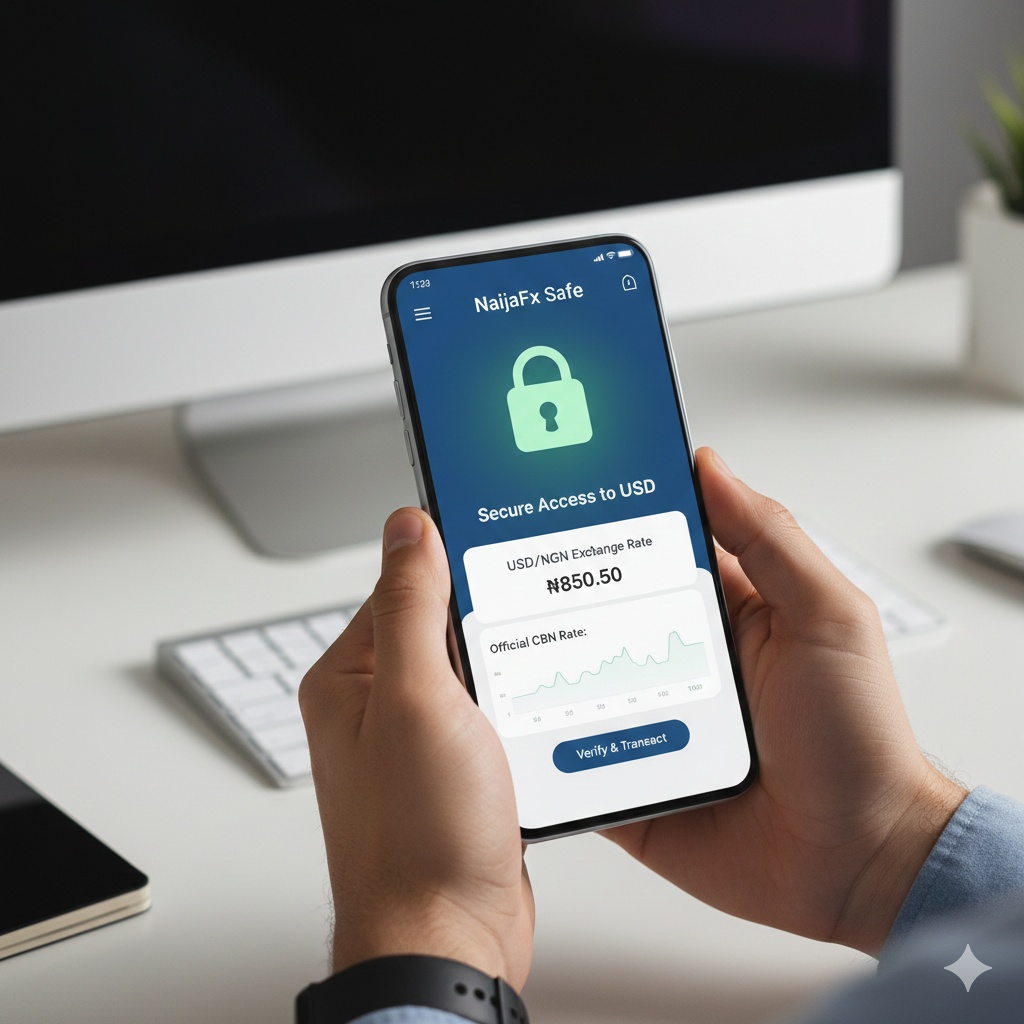
When looking for the best app to buy dollars in Nigeria, safety and compliance should be your top priorities. Here is how to navigate the digital FX space safely:
1. Use Official Bank Apps
Most Nigerian Tier-1 banks (like GTBank, Zenith, UBA, and Access Bank) allow you to open a Domiciliary Account. Through their mobile apps, you can often transfer USD or buy it at the official rate for specific purposes like PTA/BTA or Form A.
2. Verified Fintech Platforms
Several fintech companies have been licensed to facilitate international payments. Platforms like Grey, Geegpay, or Africhange allow users to create virtual foreign accounts. These are useful for freelancers receiving payments or for holding USD to hedge against inflation.
- Note: Ensure any app you use is registered with the relevant authorities (like the CBN or international regulators like FINTRAC).
3. Official News and Portals
To check the current rate, visit:
- The Central Bank of Nigeria (CBN) official website.
- The FMDQ Exchange portal (for the NAFEM rate).
- Trusted financial news outlets like Nairametrics or BusinessDay.
4. Avoid “Get Rich Quick” Forex Schemes
Avoid any app or platform that promises “guaranteed profits” from dollar trading. Legitimate currency exchange is a utility for trade and travel, not a gamble.
FAQ Section
1. What is the official dollar to naira rate today? The official rate is determined by the Nigerian Foreign Exchange Market (NFEM). It fluctuates daily. You can find the most accurate closing rate on the CBN’s official website or the FMDQ portal.
2. Why is the dollar rate higher on some apps than in the bank? Banks usually provide the “official rate,” which is subsidized or regulated for specific transactions. Many apps reflect the “market rate,” which is based on the actual supply and demand in the open market where the dollar is scarcer.
3. Is it legal to buy dollars through a mobile app? Yes, it is legal to buy dollars through apps provided by licensed banks and authorized fintech companies. Always ensure the platform you use is compliant with Nigerian financial regulations.
4. Can I use my Naira ATM card for dollar payments? Most Nigerian banks have limits on international spending with Naira cards. For larger or consistent dollar payments, it is recommended to open a Domiciliary account and use a USD-denominated debit card.
5. How can I pay for school fees abroad at the best rate? The most cost-effective way is usually through the “Form A” process at your commercial bank. This allows you to access the official CBN rate, though the processing time can take several weeks.
6. Does the dollar rate change on weekends? While the official NFEM window is closed on weekends, the open market and some digital platforms may still reflect price changes based on global market movements or local demand.
Conclusion
Understanding the Nigerian foreign exchange landscape requires a blend of patience and education. While the search for the best app to buy dollars in Nigeria often leads to many options, the “best” choice is always the one that is most secure, transparent, and legally compliant.
By staying informed through the Central Bank of Nigeria and the National Bureau of Statistics, you can make better financial decisions, whether you are saving for the future or managing a business. Financial awareness is your best tool for navigating the complexities of the Naira’s value in 2026.
This article was written to help readers understand currency exchange concepts in Nigeria.