
Introduction
In 2026, the need for a stable and reliable way to handle international transactions remains a top priority for many Nigerians. Whether you are a student paying international tuition fees, a professional subscribing to global software services, or a traveler booking flights, the best virtual dollar card in Nigeria 2026 has become an essential tool for navigating the global economy.
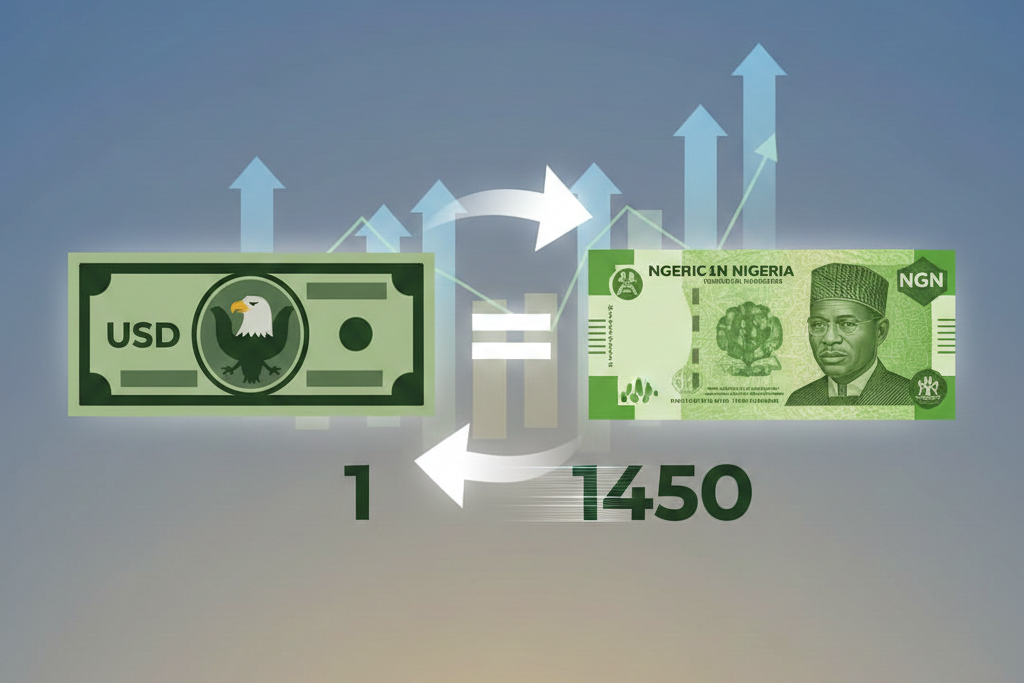
The relationship between the U.S. Dollar (USD) and the Nigerian Naira (NGN) influences almost every sector of the country. With traditional Naira debit cards often facing limitations on international spending, virtual dollar cards provide a digital alternative that allows users to transact in foreign currency. This article provides a comprehensive educational look at how exchange rates work in Nigeria, the factors driving currency value, and how to identify secure platforms for your digital payment needs.
Table of Contents
What Is the Dollar to Naira Exchange Rate?
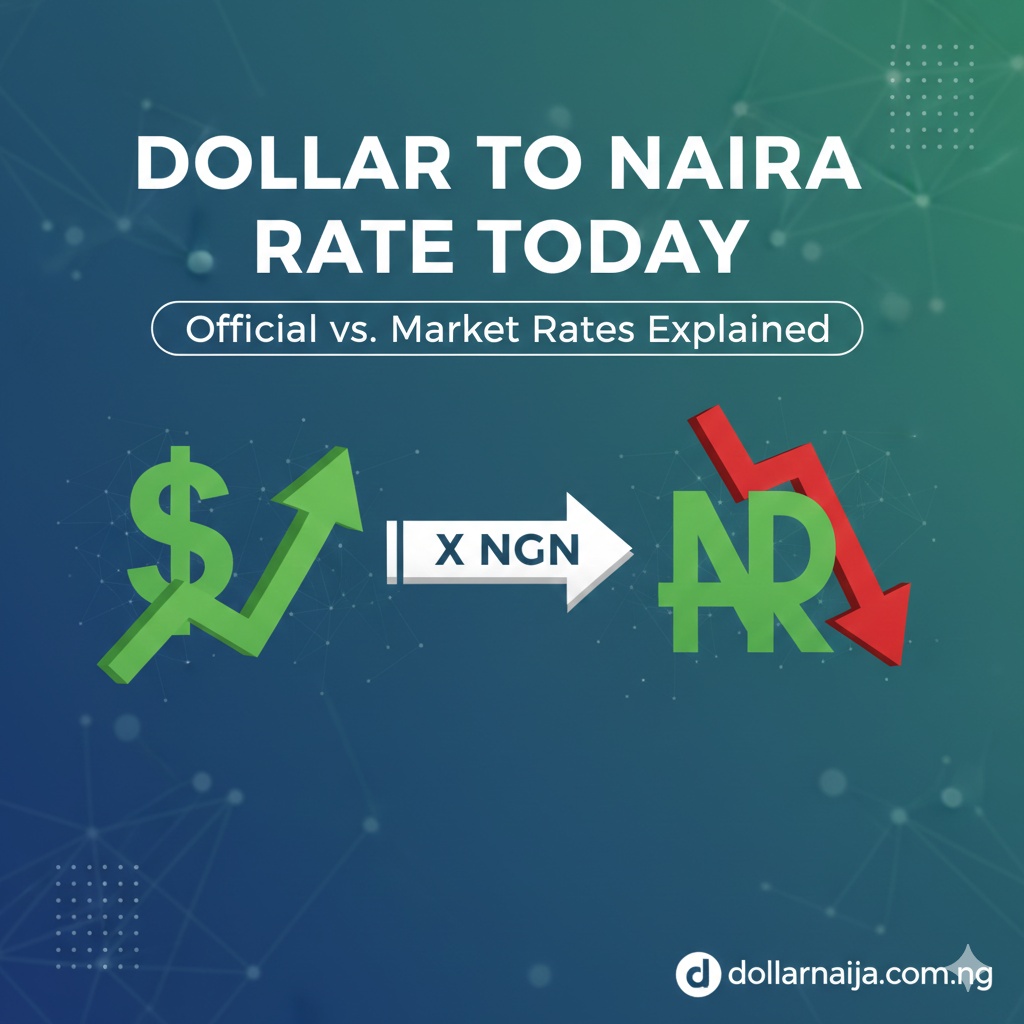
At its core, an exchange rate is the price of one country’s currency in terms of another. For Nigerians, the USD/NGN pair represents how many Naira are needed to purchase one U.S. Dollar.
- USD (United States Dollar): The world’s primary reserve currency, used for the majority of international trade.
- NGN (Nigerian Naira): The legal tender of the Federal Republic of Nigeria.
Exchange rates function like the price of any other commodity. When there is high demand for dollars but a limited supply, the price (rate) goes up. Conversely, if there is an abundance of dollars, the Naira may strengthen.
Official Dollar to Naira Rate in Nigeria
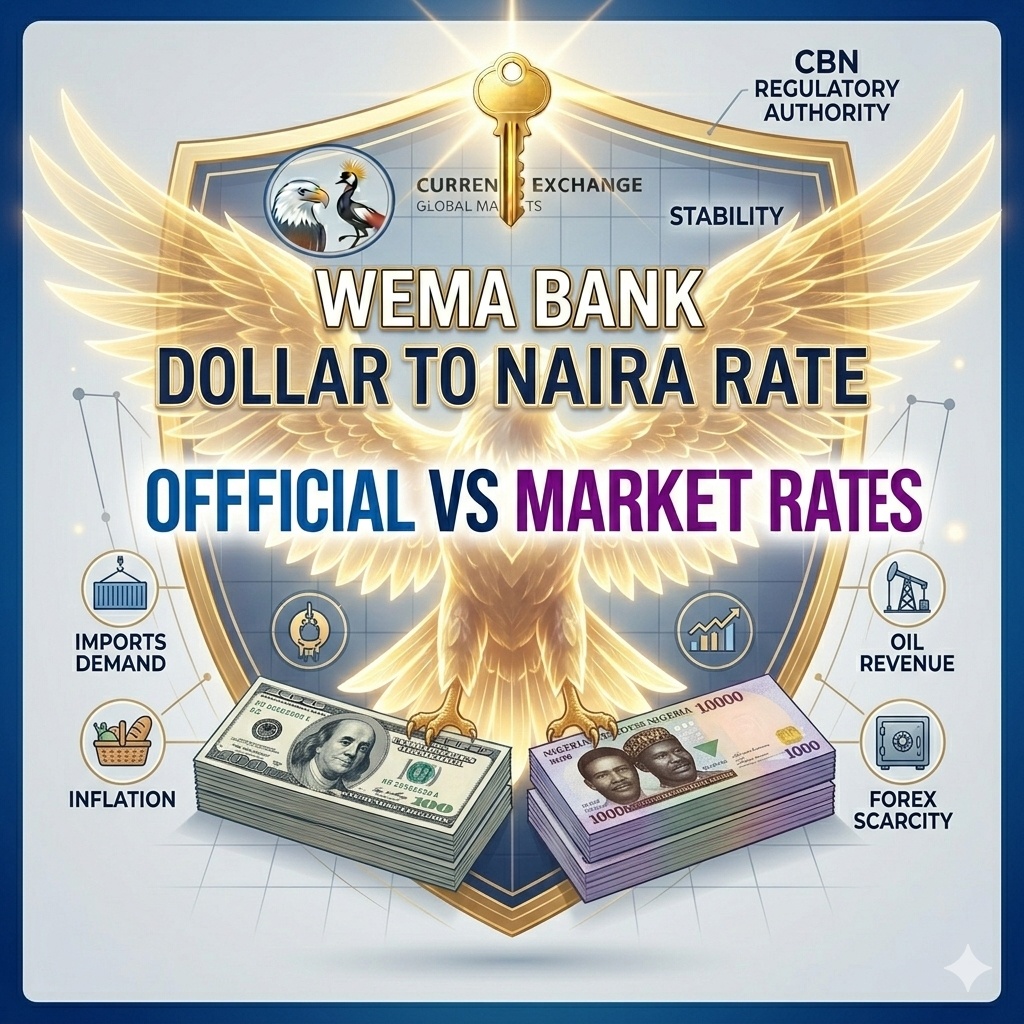
The official rate is the exchange value determined or recognized by the Central Bank of Nigeria (CBN). This rate is typically used for government transactions, large-scale imports of essential items, and official diplomatic operations.
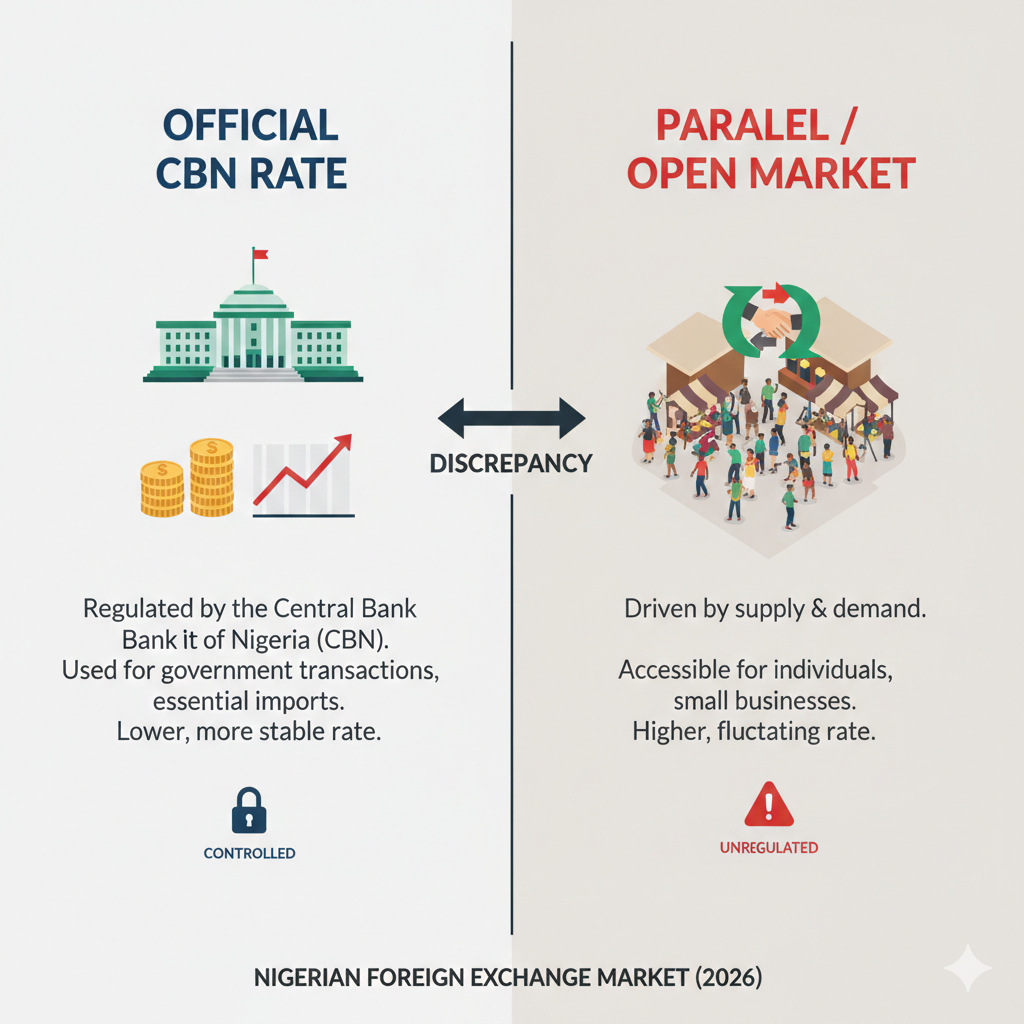
In 2026, the CBN continues to utilize the Nigerian Foreign Exchange Market (NFEM) as the primary window for price discovery. The goal of an official rate is to provide a benchmark for the economy and ensure that critical sectors—like energy and agriculture—can access foreign exchange at a regulated price. It is important to note that the official rate is often different from the rates found on fintech apps or in the open market.
Parallel Market Rates Explained
The parallel market, often referred to as the “black market” or “open market,” refers to currency exchange that happens outside of official banking windows.
While the official market is strictly regulated by the CBN, the parallel market is driven entirely by immediate supply and demand. Because many individuals and small businesses cannot easily access dollars through official bank channels, they turn to the open market. This high demand usually results in a “premium,” meaning the dollar is more expensive here than at the official rate.
Risk Awareness: Engaging in unregulated currency exchange carries inherent risks, including lack of consumer protection and the potential for fraudulent transactions. Users are encouraged to utilize licensed financial institutions whenever possible.
Why the Dollar Is Expensive in Nigeria
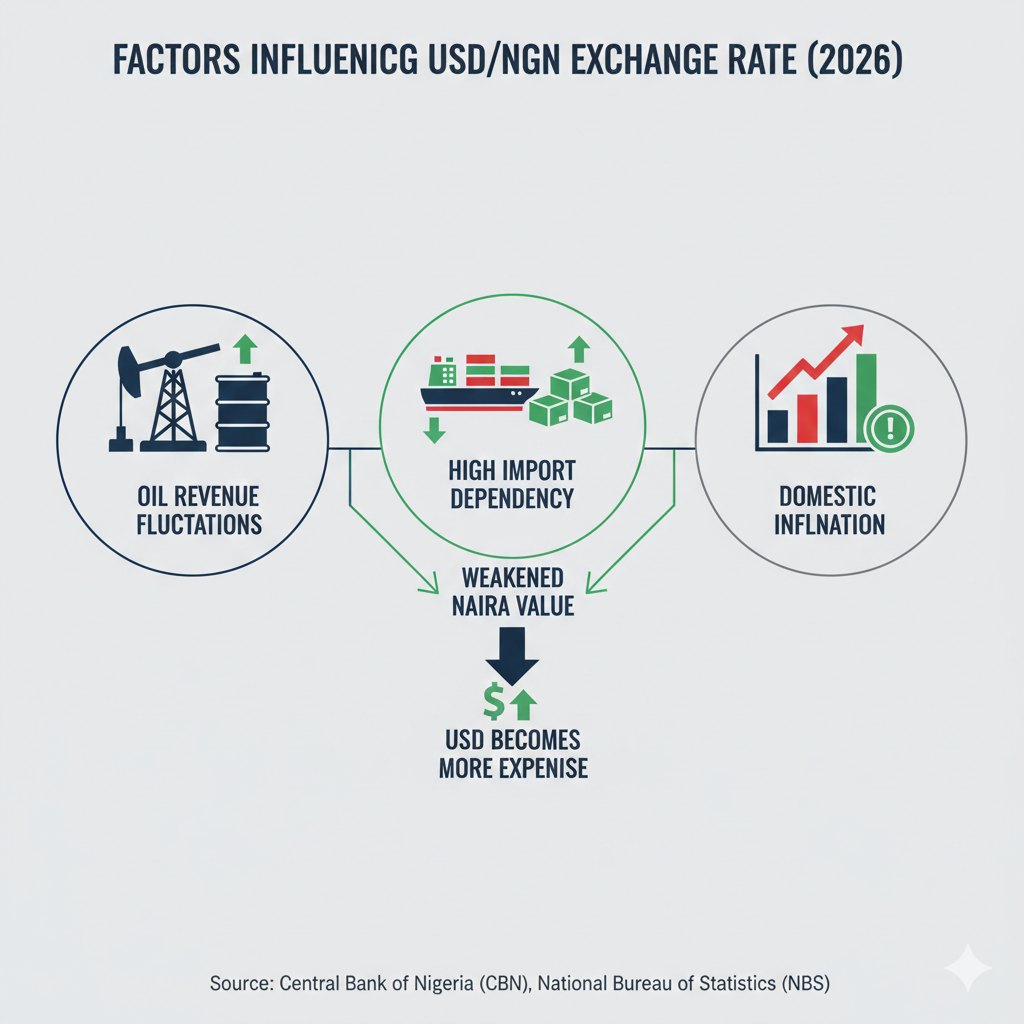
Several economic factors contribute to the current value of the dollar against the naira in 2026:
- Import Dependency: Nigeria relies heavily on imported goods, from refined petroleum to electronics and food. To buy these goods, Nigerian businesses must buy dollars, creating constant demand.
- Oil Revenue Factors: As a major oil exporter, Nigeria’s dollar supply is tied to global oil prices and domestic production levels. If oil revenue dips, the supply of dollars in the country decreases.
- Inflation: When the local inflation rate is high, the purchasing power of the naira drops, making foreign currencies relatively more expensive.
- Foreign Investment: The level of confidence global investors have in the Nigerian economy affects how much foreign capital (dollars) flows into the country.
How Exchange Rates Affect Daily Life
The fluctuation of the dollar is not just a concern for bankers; it impacts the “common man” in several ways:
- Food Prices: Many agricultural inputs, such as fertilizers and machinery, are imported. When the dollar rises, the cost of farming and transporting food increases.
- Online Subscriptions: Services like Netflix, YouTube Premium, and Amazon Prime are billed in dollars. Even if you pay in Naira, the provider converts the cost based on current exchange rates.
- Education: For Nigerians studying abroad, a slight shift in the exchange rate can mean a difference of hundreds of thousands of Naira in tuition payments.
- Travel Costs: International airfares are priced based on global standards. A weaker Naira directly translates to more expensive flight tickets.
Finding the Best Virtual Dollar Card in Nigeria 2026
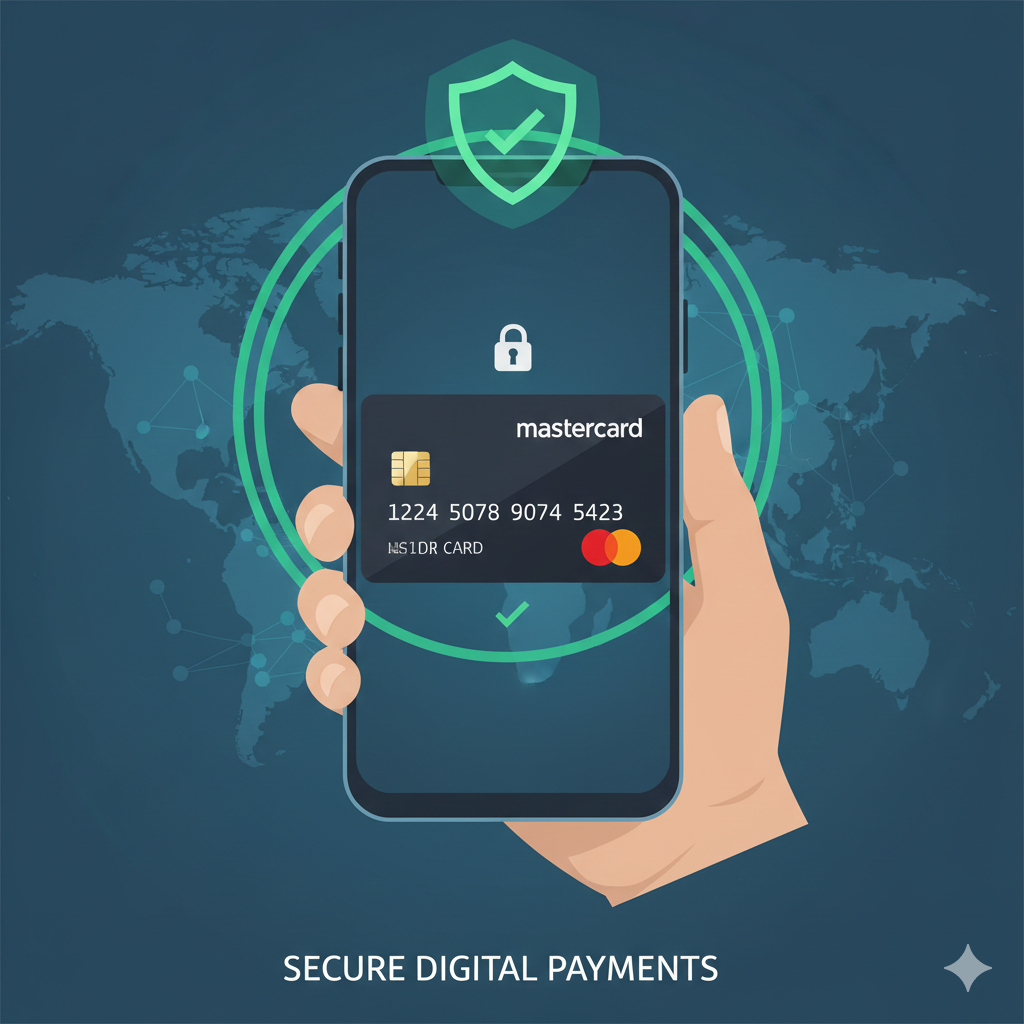
Since most Nigerian Naira cards have restricted international spending limits, virtual dollar cards have filled the gap. These are digital-only cards (Mastercard or Visa) that you fund with Naira at a specific rate to spend in dollars.
Key Features of Top Providers:
| Feature | What to Look For |
| Creation Fee | Some platforms charge $1–$5 to issue the card. |
| Maintenance Fee | Monthly charges that can range from $0 to $1. |
| Funding Rate | The exchange rate the platform uses when you convert NGN to USD. |
| Acceptance | Whether the card works on major sites like Amazon, Meta Ads, or Google Play. |
In 2026, several fintech companies and traditional banks offer these services. When searching for the best virtual dollar card in Nigeria 2026, prioritize platforms that are transparent about their fees and have a strong track record of security.
Common Myths About the Dollar to Naira Exchange
- Myth 1: “The dollar will crash tomorrow.” Currency markets are complex and influenced by global macroeconomics. Sudden “crashes” are rare and usually tied to massive policy shifts.
- Myth 2: “The rate is the same everywhere.” Different banks and fintech apps use different “spreads” (profit margins), meaning you will find varying rates across different platforms.
- Myth 3: “The CBN fixes the rate for everyone.” While the CBN sets an official benchmark, it does not strictly control what happens in the private or parallel markets.
How to Check Dollar to Naira Rates Safely
To avoid misinformation, always use verified and official sources:
- The CBN Website: For the daily official closing rates.
- Commercial Bank Apps: Most Nigerian banks display their current FX rates for “Invisible” transactions (travel, school fees).
- Financial News Platforms: Reputable outlets like BusinessDay or Nairametrics provide daily market summaries.
- Official Fintech Dashboards: If you use a virtual card app, check their internal rate before completing a transaction.
FAQ Section
1. What is the official dollar to naira rate today?
The official rate is determined by the NFEM and published daily by the Central Bank of Nigeria. It usually hovers lower than the parallel market rate but is subject to daily fluctuations based on market liquidity.
2. Why is the dollar higher in Nigeria than in other countries?
The exchange rate is specific to the Naira’s value. Factors like high import demand, inflation, and limited dollar inflows from oil and foreign investment contribute to the higher cost of the dollar within Nigeria.
3. Is using a virtual dollar card legal in Nigeria?
Yes, using virtual dollar cards provided by licensed fintech companies or commercial banks is a legal way to facilitate international payments within the regulatory framework provided by the CBN.
4. Can I use my Naira debit card for international websites?
Most Nigerian banks have low monthly limits (often $0 to $20) on Naira cards for international spend. This is why many Nigerians prefer using a dedicated virtual dollar card.
5. Does the dollar rate change on weekends?
The official market is generally closed on weekends, so the rate remains static from Friday’s close until Monday morning. However, the parallel market may continue to fluctuate slightly.
6. Where can I check trusted exchange rates?
Always refer to the Central Bank of Nigeria (CBN) website for official rates and recognized financial news portals for market insights. Avoid unverified social media “rate alerts” that lack data backing.
Conclusion
Understanding the nuances of the dollar to naira exchange is vital for financial planning in 2026. While the search for the best virtual dollar card in Nigeria 2026 is often driven by the need for convenience, it is equally important to stay informed about the economic factors that influence these rates. By using official channels and secure fintech tools, you can manage your international obligations with greater confidence and awareness.
This article was written to help readers understand currency exchange concepts in Nigeria. For daily currency education and explanations, visit dollarnaija.com.ng.