
Introduction
For millions of Nigerians both at home and in the diaspora, understanding the dynamics of currency is more than just economics—it is a daily necessity. Whether you are a freelancer receiving payments, a business owner importing goods, or a family member supporting loved ones, the fluctuating value of the Naira affects your purchasing power. Often, people search for the best way to send money to Nigeria 2026 not just to find a transfer app, but to understand when and how to convert their funds for maximum value.
The economic landscape in Nigeria has seen significant shifts over the last few years. From rising inflation to changes in import duties, the financial reality is constantly evolving. Factors such as travel allowances, school fees for international students, and the cost of imported food items are all tied directly to the strength of the Naira against the US Dollar.
This article aims to demystify the complex world of foreign exchange (Forex) in Nigeria. By understanding how exchange rates work, the role of the Central Bank of Nigeria (CBN), and the economic factors at play, you will be better equipped to make informed financial decisions.
Table of Contents
What Is the Dollar to Naira Exchange Rate?
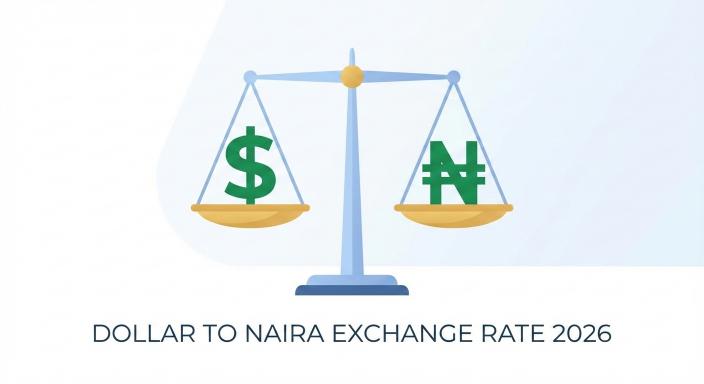
At its simplest level, an exchange rate is the price of one country’s currency expressed in terms of another currency. In our context, the Dollar to Naira exchange rate tells you how many Nigerian Naira (NGN) you need to buy one United States Dollar (USD).
For example, if the rate is 1 USD = 1,000 NGN, it means you must pay one thousand Naira to acquire a single Dollar. Conversely, if you have dollars, this rate determines how much Naira you will receive when you convert your funds.
The Basics of Currency Pairs
- Base Currency (USD): The currency you are holding or selling.
- Quote Currency (NGN): The currency you are buying or receiving.
Exchange rates are rarely static. They fluctuate based on the perceived value of each currency in the global market. When the Naira “depreciates” or gets weaker, you need more Naira to buy the same amount of Dollars. When it “appreciates” or gets stronger, you need less. Understanding this fundamental concept is the first step in determining the best way to send money to Nigeria 2026, as timing your transfer can impact the final amount received.
Official Dollar to Naira Rate in Nigeria
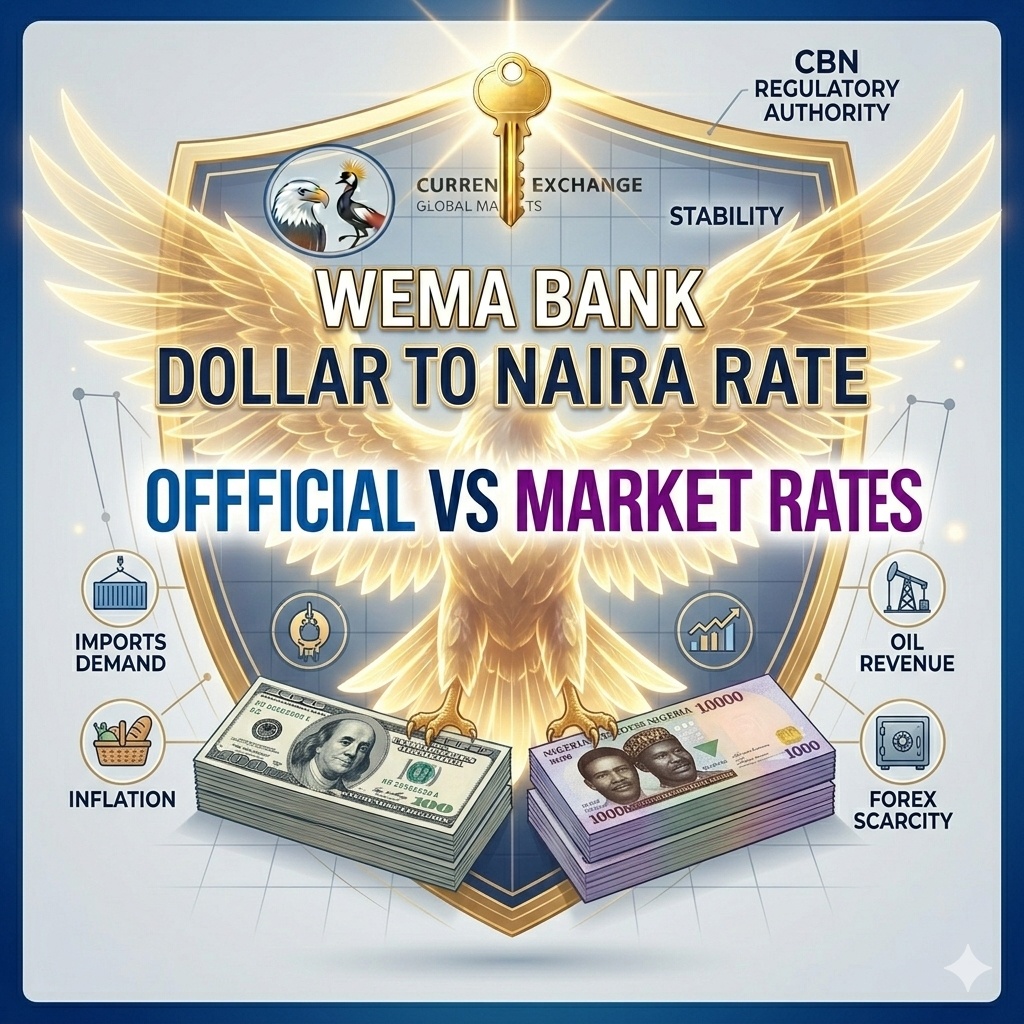
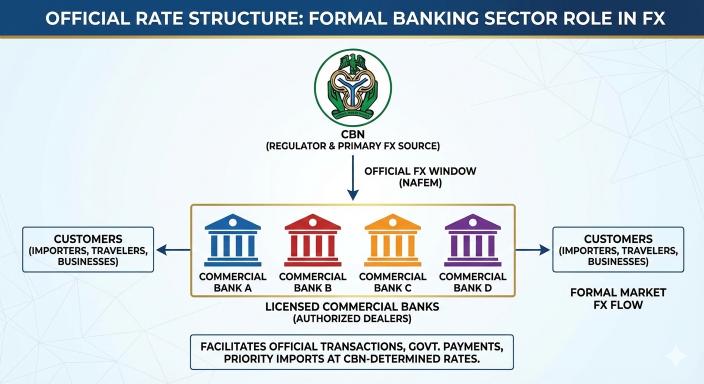
When discussing currency in Nigeria, you will often hear about the “Official Rate.” This is the rate determined and recognized by the Central Bank of Nigeria (CBN).
The Role of the Central Bank of Nigeria (CBN)
The CBN is the apex monetary authority in the country. One of its core mandates is to manage the country’s foreign exchange reserves and maintain the stability of the Naira. The official rate is the rate used for government transactions, debt servicing, and specific priority imports (such as raw materials for manufacturing or agricultural machinery).
Why Does an Official Rate Exist?
Governments maintain an official rate to ensure stability in crucial sectors of the economy. By offering a standardized rate to importers of essential goods, the government aims to keep the cost of these items affordable for the general population.
Historically, the CBN has used various mechanisms to manage this rate, such as the I&E (Investors and Exporters) window, now known as the Nigerian Autonomous Foreign Exchange Market (NAFEM). This platform allows banks, investors, and authorized dealers to buy and sell currency at rates determined by market demand and supply, under CBN supervision.
Parallel / Market Rates Explained (Neutral Tone)
In many economies, including Nigeria, there may be a difference between the official exchange rate and the rate obtainable in the open market. This is often referred to as the “parallel market,” “open market,” or colloquially as the “black market.”
Understanding the Difference
While the official rate is used for formal banking transactions and government business, the parallel market rate is determined purely by the forces of demand and supply on the street.
- Supply: The availability of physical cash (Dollar bills) or digital funds outside the banking system.
- Demand: Individuals who need foreign currency for personal travel, small business imports, or savings, but may not have immediate access to the official window.
Legal and Risk Awareness
It is crucial for readers to understand the risks associated with the parallel market.
- Regulatory Risk: The CBN periodically issues regulations regarding the operation of Bureau De Change (BDC) operators and street trading. Engaging in unauthorized dealing can carry legal risks.
- Scams and Fraud: Informal exchanges lack the security and documentation of bank transfers. There is a higher risk of receiving counterfeit notes or falling victim to transfer scams.
- Volatility: Rates in the open market can change hourly, making financial planning difficult.
For those looking for the best way to send money to Nigeria 2026, using licensed International Money Transfer Operators (IMTOs) that align with CBN guidelines is generally the safest and most transparent method.
Why the Dollar Is Expensive in Nigeria
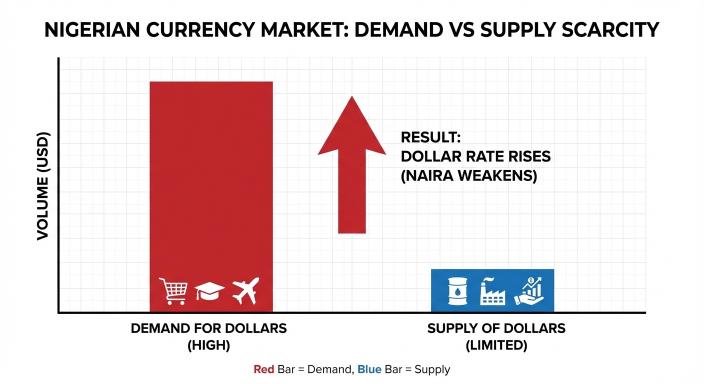
A common question among Nigerians is, “Why is the exchange rate so high?” The value of the Naira against the Dollar is not arbitrary; it is the result of several macroeconomic factors.
1. High Dependency on Imports
Nigeria imports a vast amount of what it consumes, from refined petroleum products and vehicles to food items and electronics. To pay for these goods, Nigerian businesses need Dollars. This high demand for Dollars puts immense pressure on the Naira, driving the exchange rate up.
2. Inflation Rates
Inflation refers to the rate at which the general price of goods and services is rising. When inflation in Nigeria is significantly higher than in the United States, the purchasing power of the Naira drops. As the Naira buys less locally, its value relative to stable foreign currencies also declines.
3. Oil Revenue Fluctuations
Crude oil exports are a primary source of foreign exchange earnings for Nigeria. When global oil prices are high, Nigeria earns more Dollars, boosting the FX reserves and strengthening the Naira. Conversely, when oil prices drop or production levels fall (due to theft or technical issues), the supply of Dollars dries up, weakening the Naira.
4. Demand and Supply Imbalance
Simply put, there are often more people wanting to buy Dollars than there are Dollars available. When demand outstrips supply, the price (exchange rate) inevitably rises.
How Exchange Rates Affect Daily Life in Nigeria
You might wonder, “I earn in Naira and spend in Naira, so why does the Dollar rate matter?” In a globalized economy like Nigeria’s, the exchange rate has a ripple effect on almost every aspect of daily living.
- Food Prices: Many staple foods, or the fertilizers used to grow them, are imported. When the Dollar rate goes up, the cost of importing rice, wheat, or sugar increases, leading to higher prices in the market.
- Fuel Costs: Since Nigeria imports a significant portion of its refined fuel, the landing cost of petrol is linked to the exchange rate. Changes in the FX rate can influence transport fares and the cost of powering generators.
- Education: For parents paying tuition fees for children studying abroad, a depreciation of the Naira means they must find significantly more money to pay the same school fees.
- Online Subscriptions: Services like Netflix, Spotify, hosting for websites, or software subscriptions are often billed in Dollars. As the rate shifts, the Naira equivalent deducted from your account increases.
- Travel Costs: Airline tickets are indexed to the Dollar. A weaker Naira makes international travel significantly more expensive for the average Nigerian.
Common Myths About Dollar to Naira Exchange
In the quest to find the best way to send money to Nigeria 2026, many people encounter misinformation. Let’s debunk some common myths.
Myth 1: “The Dollar Will Crash Overnight”
Fact: Currency markets generally move based on economic fundamentals. While slight dips occur, a massive “crash” of the Dollar against the Naira is unlikely without significant structural changes in the economy (like a massive boost in non-oil exports). Betting on a sudden crash is speculative and risky.
Myth 2: “The Rate Is the Same Everywhere”
Fact: Exchange rates vary significantly depending on the provider. Banks, IMTOs (like Western Union or MoneyGram), and Fintech apps all offer different rates. Always compare before transacting.
Myth 3: “Exchange Rates Are Fixed by the Government”
Fact: While the CBN influences the official rate, they do not “fix” the rate in a vacuum. The rate is heavily influenced by market realities, foreign reserves, and global economic trends.
How to Check Dollar to Naira Rates Safely
To ensure you are getting fair value, you need reliable information sources. Relying on hearsay can lead to financial loss.
1. Commercial Banks
Your bank’s official website or mobile app is the primary source for the official exchange rate. Most banks publish their daily FX rates for personal travel allowances (PTA) or business travel allowances (BTA).
2. CBN Website
The Central Bank of Nigeria’s official website provides data on the weighted average rate and the rates at the official NAFEM window. This is the most authoritative source for government rates.
3. Reputable Financial News
Top-tier financial news platforms in Nigeria (such as BusinessDay or Nairametrics) often report on daily market movements. These sources adhere to journalistic standards and provide accurate data.
4. Verified Money Transfer Apps
If you are looking for the best way to send money to Nigeria 2026, check the calculators on major money transfer apps. They display the exact exchange rate they are offering at that moment (often called the “effective rate”), which includes their fees.
Warning: Avoid unverified WhatsApp groups or anonymous social media accounts claiming to offer “special” rates. These are often avenues for scams.
Frequently Asked Questions (FAQ)
Q1: What is the official dollar to naira rate today? A: The official rate changes daily based on market trading at the NAFEM window. You should check the Central Bank of Nigeria website or your commercial bank app for the real-time rate.
Q2: Why is the dollar rate higher in Nigeria compared to other countries? A: This is due to Nigeria’s high inflation, high demand for imports, and reliance on oil revenue. When foreign currency is scarce, its value rises against the local currency.
Q3: Is the black market rate legal? A: The “black market” or parallel market is not the officially recognized window for forex transactions. The CBN advises the public to use authorized dealers (banks and licensed BDCs) to avoid legal risks and fraud.
Q4: Does the dollar rate change daily? A: Yes, the exchange rate is dynamic. It can fluctuate throughout the day based on demand, supply, and breaking economic news.
Q5: What is the best way to send money to Nigeria in 2026? A: The “best” way depends on your priority: speed, cost, or safety. Licensed International Money Transfer Operators (IMTOs) are generally the safest. Always compare the exchange rates and fees of different providers before sending.
Q6: Can I open a Dollar account in Nigeria? A: Yes, most Nigerian banks allow you to open a Domiciliary Account. This allows you to save and transact in US Dollars, Euros, or Pounds.
Conclusion
Navigating the financial waters of currency exchange requires patience and knowledge. Whether you are monitoring the rates for business, education, or family support, understanding the fundamental drivers of the Dollar to Naira exchange rate is essential.
While the economy faces challenges such as inflation and import dependency, being informed helps you protect your financial interests. Remember that rates are volatile; what holds true today may change tomorrow. Always rely on official sources like the CBN, reputable banks, and licensed transfer operators when making financial decisions.
By staying educated and cautious, you can find the best way to send money to Nigeria 2026 that maximizes value and ensures the safety of your hard-earned funds.