
Introduction
Nigeria’s financial landscape is a dynamic environment where the value of the local currency, the Naira (NGN), against the United States Dollar (USD) remains a central topic of daily conversation. For many Nigerians, checking the exchange rate is more than just a curiosity; it is a necessity for business planning, paying international school fees, managing travel costs, or simply understanding the rising prices of household goods.
In early 2026, the demand for clear, factual information regarding the Aboki FX rate today Lagos and official bank rates has never been higher. As the country navigates a series of economic reforms aimed at stabilizing the currency and reducing inflation, staying informed through verified channels is essential. This article provides a comprehensive, educational overview of how the exchange rate system works in Nigeria, the factors that drive currency fluctuations, and the role of official institutions like the Central Bank of Nigeria (CBN).
Disclaimer: This content is for informational and educational purposes only. Exchange rates may vary significantly based on the source and timing of the transaction. This article does not constitute financial, investment, or legal advice.
Table of Contents
What Is the Dollar to Naira Exchange Rate?
At its core, an exchange rate is the price of one currency expressed in terms of another. In Nigeria, the most commonly tracked pair is the USD/NGN. This tells you how many Naira are needed to purchase one US Dollar.
- USD (United States Dollar): Often referred to as a “global reserve currency,” the dollar is used for most international trade, including Nigeria’s oil exports and imported consumer goods.
- NGN (Nigerian Naira): The legal tender of Nigeria, issued and regulated by the Central Bank of Nigeria.
The exchange rate is not a fixed number but a moving target influenced by supply (how many dollars are available in the country) and demand (how many people and businesses need those dollars to pay for goods and services).
Official Dollar to Naira Rate in Nigeria
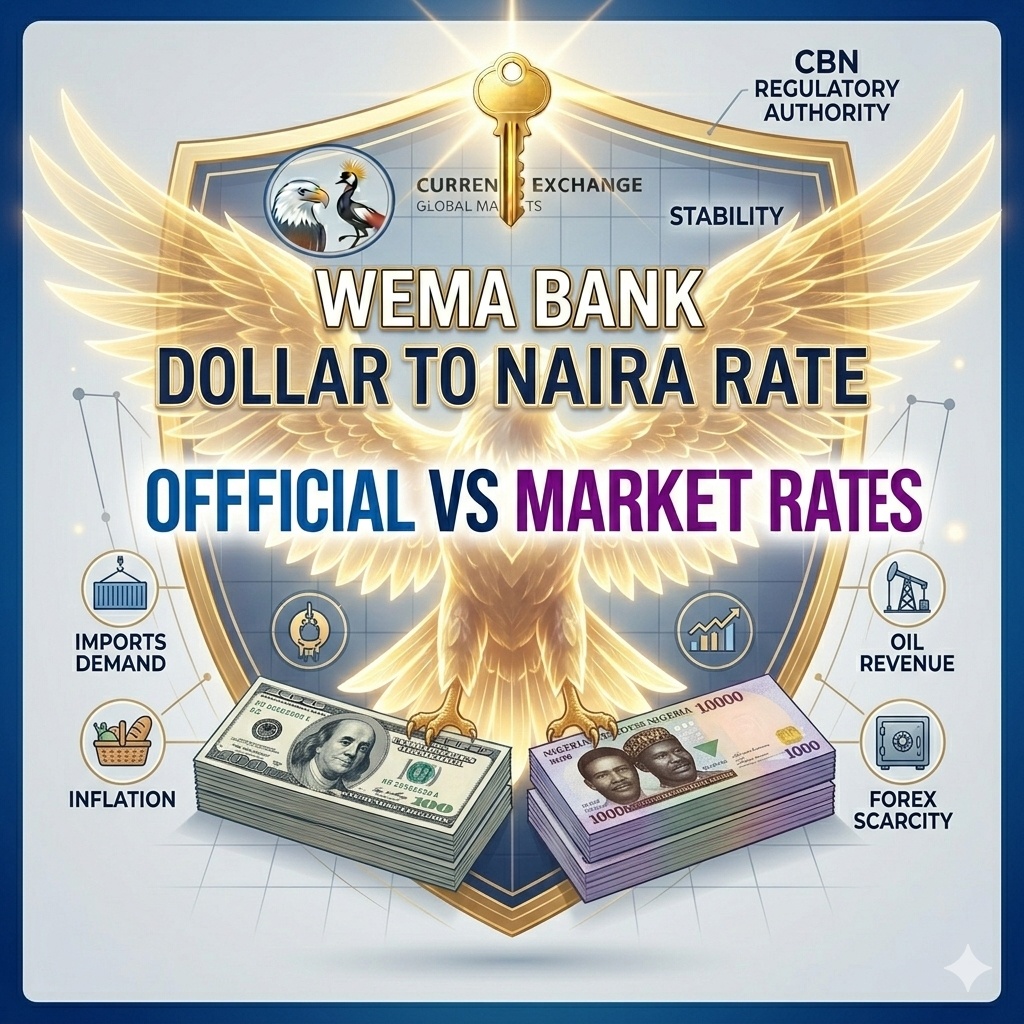
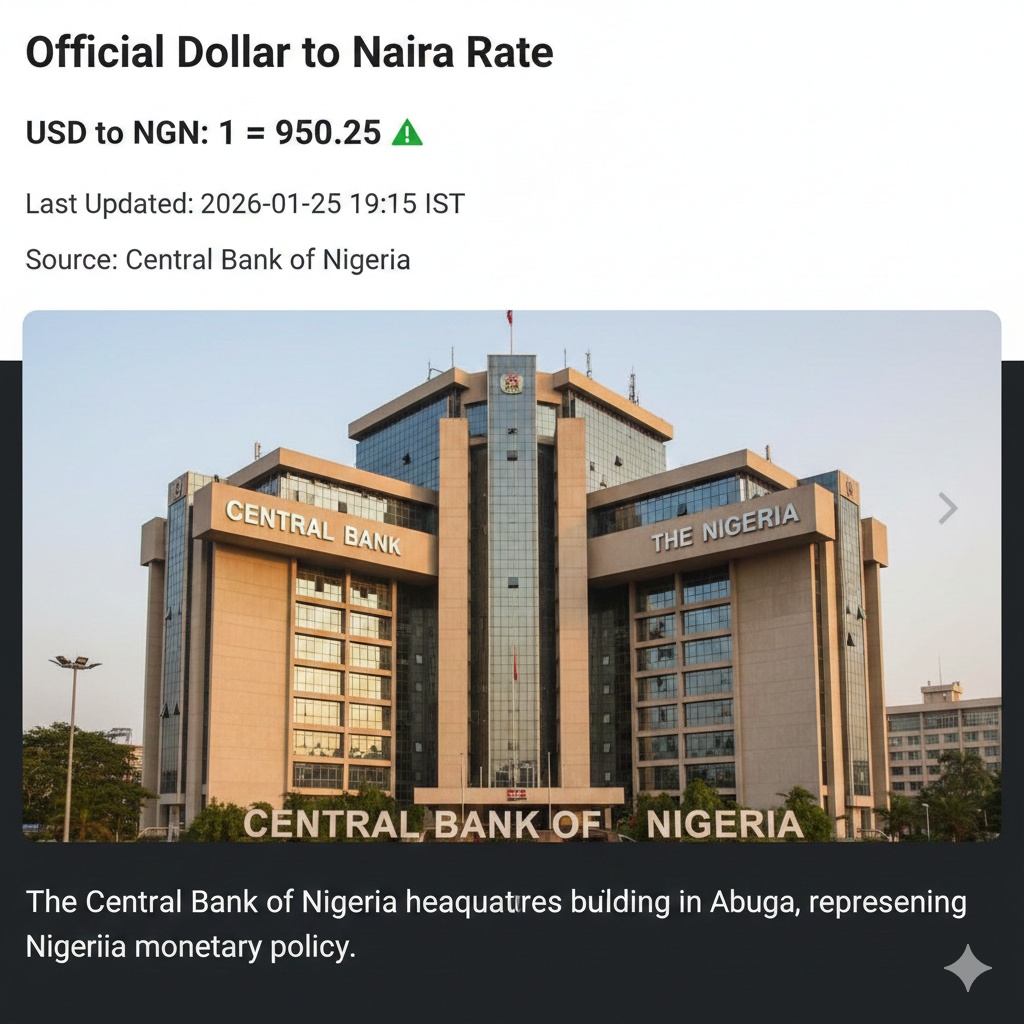
The “official rate” refers to the exchange rate determined through the Nigerian Autonomous Foreign Exchange Market (NAFEM). This is the window where authorized dealers, such as commercial banks and large corporations, trade currency under the supervision of the Central Bank of Nigeria (CBN).
The Role of the CBN
The CBN is the primary monetary authority in Nigeria. Its goal is to maintain price stability and ensure the integrity of the Naira. In recent years, the CBN has moved toward a more liberalized market, allowing the exchange rate to be determined by “willing buyer, willing seller” principles rather than rigid administrative fixing.
Why Official Rates Exist
Official rates are used for government-to-government transactions, official international debt servicing, and by legitimate businesses that document their transactions through the banking system. The official rate is typically what you will see reflected on the CBN’s website and in formal financial news reports.
Parallel Market Rates Explained (Neutral Tone)
In addition to the official banking window, there is what is commonly known as the “parallel market” or “street rate.” This is often where the Aboki FX rate today Lagos terminology originates.
It is important to understand that this market exists due to gaps between the total demand for foreign exchange and the supply available through official banking channels. When businesses or individuals cannot access enough dollars through their banks for various reasons, they may turn to informal sources.
Legal and Risk Awareness: While the parallel market is a reality of the Nigerian economy, it is often more volatile and lacks the consumer protections found in the formal banking sector. Users of informal markets should be aware that rates fluctuate rapidly and there are inherent risks regarding security and the authenticity of the currency.
Why the Dollar Is Expensive in Nigeria
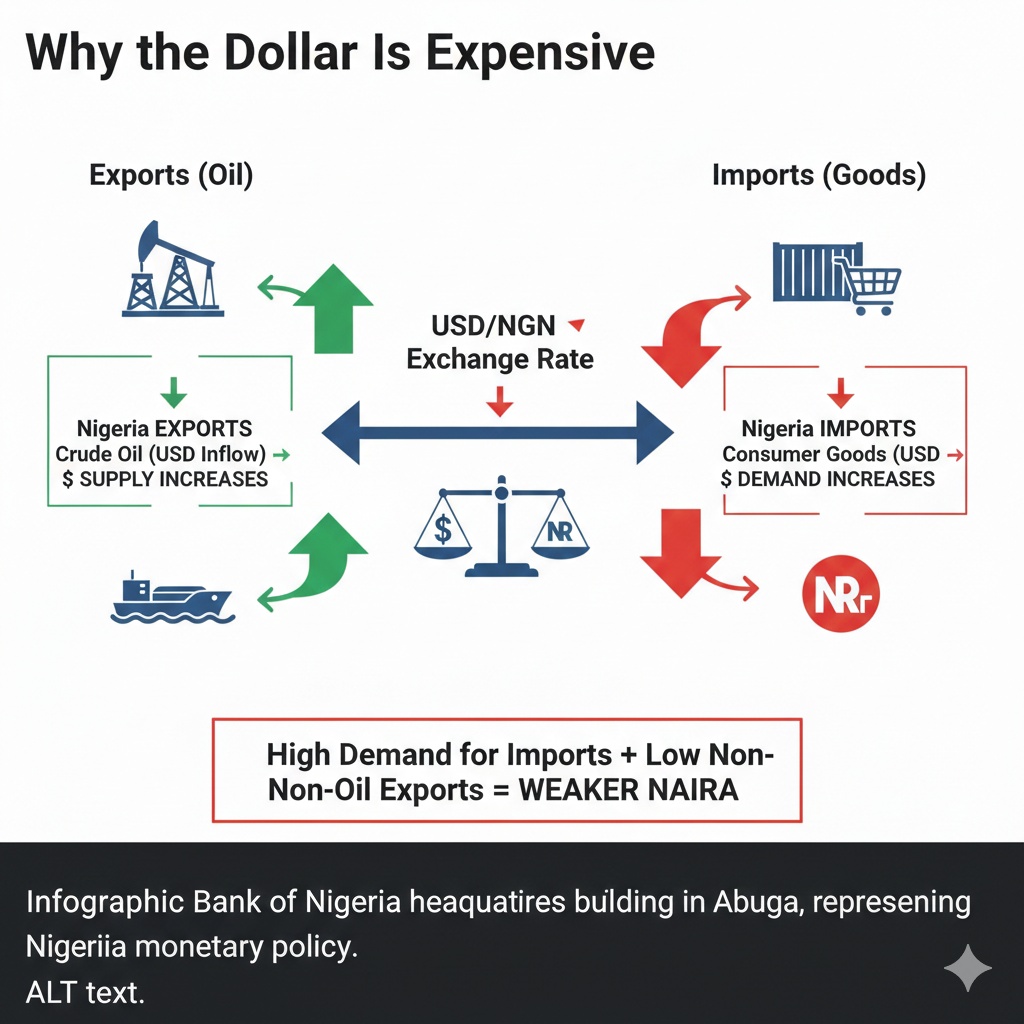
Several macroeconomic factors contribute to the strength or weakness of the Naira. Understanding these helps explain why the Aboki FX rate today Lagos may shift from week to week.
1. Import Dependency
Nigeria relies heavily on imported goods, ranging from machinery and refined petroleum to food items and electronics. Because these goods must be paid for in dollars, there is a constant, high demand for USD, which puts downward pressure on the Naira.
2. Oil Revenue Factors
Crude oil exports are Nigeria’s primary source of foreign exchange. When global oil prices are high or domestic production is steady, the country earns more dollars, which can help stabilize the Naira. Conversely, a drop in oil revenue limits the amount of USD the CBN can provide to the market.
3. Inflation
Inflation reduces the purchasing power of a currency. If prices for goods in Nigeria rise faster than in the US, the Naira effectively becomes “cheaper” relative to the dollar. By early 2026, the CBN has focused on bringing inflation down to a single-digit target to help support currency stability.
4. Supply and Demand
Simply put, if 1,000 people want to buy dollars but only 500 dollars are available for sale, the price of the dollar will rise.
How Exchange Rates Affect Daily Life in Nigeria
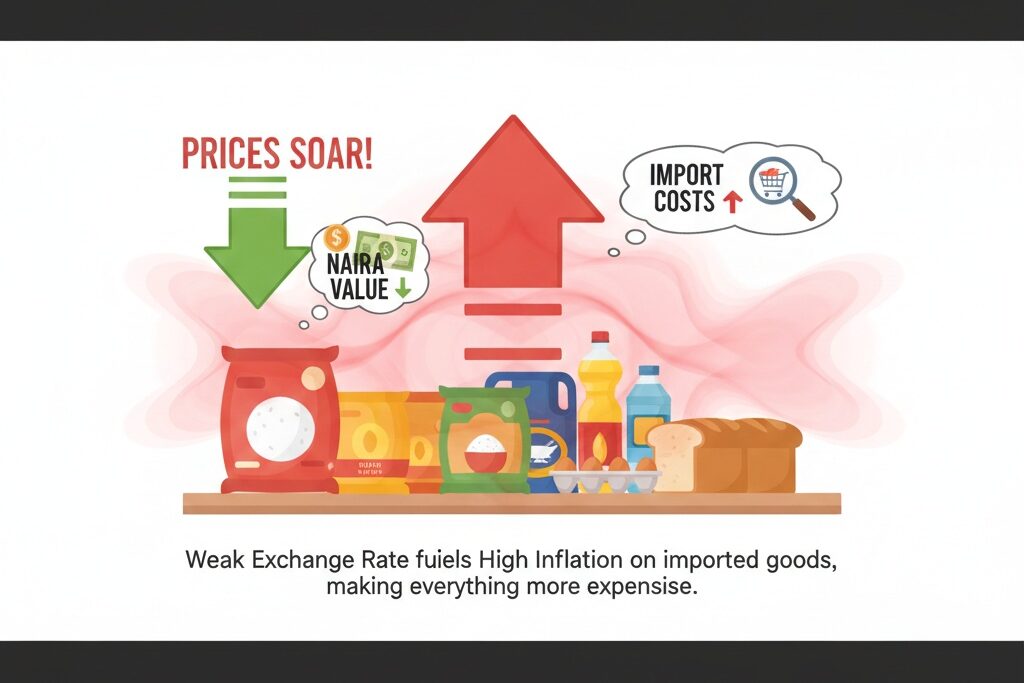
The exchange rate is not just a number on a screen; it directly impacts the cost of living for the average citizen.
- Food Prices: Even locally grown food is affected by the exchange rate because farmers often use imported fertilizers, tools, and transportation fuel.
- Fuel and Energy: Since Nigeria imports a significant portion of its refined fuel, any change in the USD/NGN rate can lead to adjustments in prices at the pump.
- Education and Travel: For families with children studying abroad or those traveling for business, a higher dollar rate means more Naira are required to cover the same expenses.
- Online Subscriptions: Services like Netflix, Spotify, or various professional software tools are usually priced in dollars, making them more expensive when the Naira weakens.
Common Myths About Dollar to Naira Exchange
To stay financially literate, it is helpful to debunk common misconceptions:
- “The Dollar will crash tomorrow”: Currency markets are complex and rarely move in a single “crash” without massive global shifts. Beware of sensationalist headlines.
- “The rate is the same everywhere”: In reality, the rate at a commercial bank in Abuja may differ from the Aboki FX rate today Lagos or a rate in Port Harcourt due to localized supply issues.
- “Exchange rates are fixed”: Since the unification of the exchange rate windows, the Naira is largely in a “floating” or “managed float” system where market forces play the lead role.
How to Check Dollar to Naira Rates Safely
In an era of misinformation, using trusted sources is vital for your financial security.
- Commercial Banks: Check your bank’s mobile app or visit a branch for the most accurate “official” rate.
- Central Bank of Nigeria (CBN): The official website (cbn.gov.ng) provides the daily weighted average rates.
- FMDQ Group: The FMDQ provides data on the Nigerian Autonomous Foreign Exchange Market (NAFEM), which is the benchmark for the official rate.
- Reputable News Platforms: Established financial news outlets provide context and verified data rather than unverified social media rumors.
FAQ Section
1. What is the official dollar to naira rate? The official rate is the price determined by the Nigerian Autonomous Foreign Exchange Market (NAFEM) and published by the CBN. It represents the rate at which authorized dealers trade.
2. Why is the dollar higher in Nigeria than in some other countries? Each country’s exchange rate is unique to its economy. Nigeria’s rate is influenced by its specific balance of trade, its dependence on oil exports, and its internal inflation levels.
3. Is the parallel market (black market) rate legal? The CBN encourages all Nigerians to use official banking channels for foreign exchange. Trading in informal markets can expose individuals to various risks and may not always align with current regulatory guidelines.
4. Does the dollar rate change daily? Yes. In a market-driven system, the exchange rate can change multiple times a day based on the volume of trades and new economic data.
5. What is the “Aboki FX rate today Lagos”? This is a popular term used to refer to the current street or parallel market rate in Lagos. It is an informal benchmark and not the official government-sanctioned rate.
6. Where can I check trusted rates? The most trusted sources are the Central Bank of Nigeria website, the FMDQ Group portal, and official communications from registered Nigerian commercial banks.
Conclusion
Understanding the dollar to naira exchange rate is a key part of financial literacy in Nigeria. While terms like Aboki FX rate today Lagos are frequently searched, the most reliable way to navigate the economy is by following official data and understanding the underlying economic principles of supply and demand. By staying informed through verified sources, you can make better-informed decisions for your personal and business finances.
This article was written to help readers understand currency exchange concepts in Nigeria and promote economic awareness without speculation.