
Introduction
The Dollar to Naira black market rate today is one of the most searched financial topics in Nigeria. Many Nigerians check exchange rates daily because the value of the naira affects everyday life — from food prices and fuel costs to school fees, travel expenses, and online subscriptions. Whether you are a business owner, student, traveler, or simply trying to understand the economy better, knowing how exchange rates work is important.
Nigeria depends heavily on imported goods and services that are priced in United States Dollars (USD). As a result, changes in the exchange rate between the dollar and the naira (NGN) often reflect directly in the cost of living. This explains why exchange rate information attracts nationwide interest.
This article is written strictly for educational and informational purposes. It does not promote or encourage any form of illegal currency trading. Exchange rates may vary depending on location and source, and this content should not be considered financial or investment advice.
The goal of this guide is to help readers understand how dollar-to-naira exchange rates work in Nigeria, the difference between official and parallel rates, and how currency movements affect daily life.
Table of Contents
What Is the Dollar to Naira Exchange Rate?
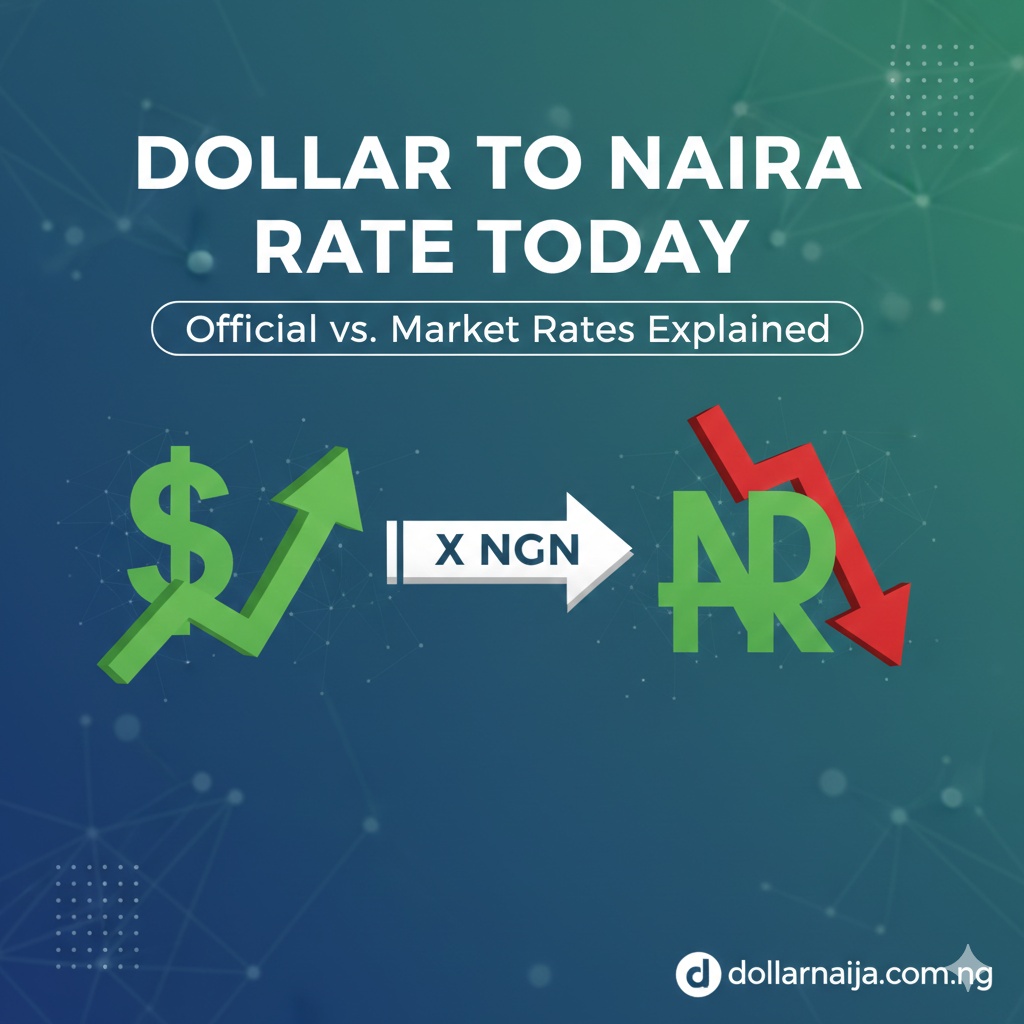
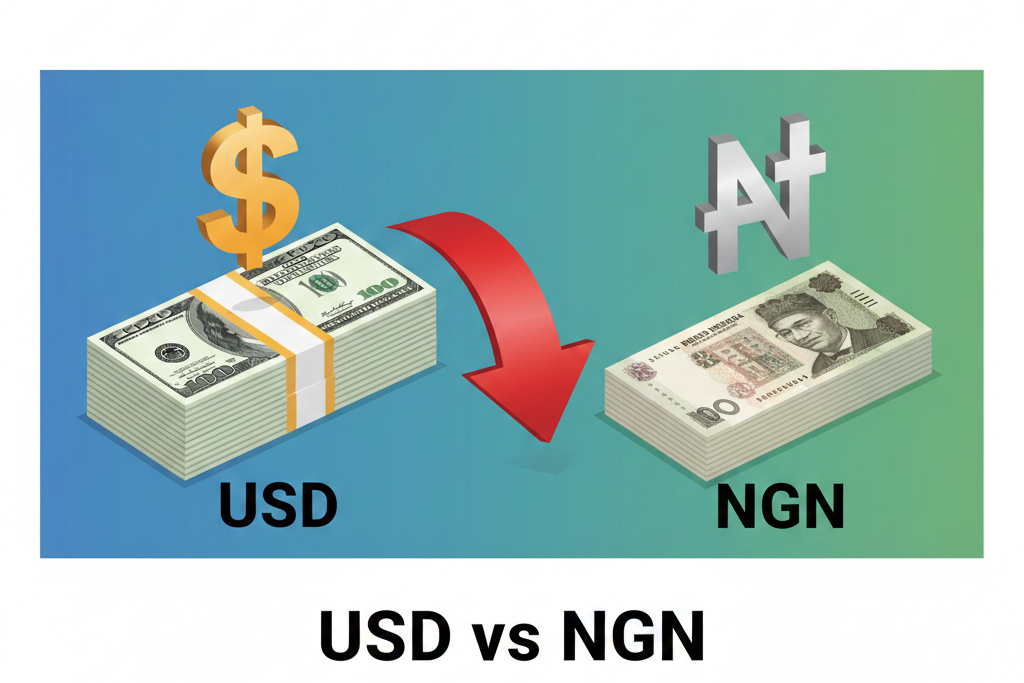
The dollar to naira exchange rate shows how much one United States Dollar (USD) is worth when converted to Nigerian Naira (NGN). Exchange rates help determine how currencies are valued relative to one another in the global economy.
- USD (United States Dollar) is one of the world’s most widely used reserve currencies.
- NGN (Nigerian Naira) is Nigeria’s official legal tender.
Exchange rates are influenced by supply and demand. When demand for dollars is high and supply is limited, the value of the dollar increases relative to the naira. When more dollars are available, pressure on the naira may reduce.
Exchange rates are not fixed permanently. They change over time due to economic conditions, government policies, and global market factors.
Official Dollar to Naira Rate in Nigeria
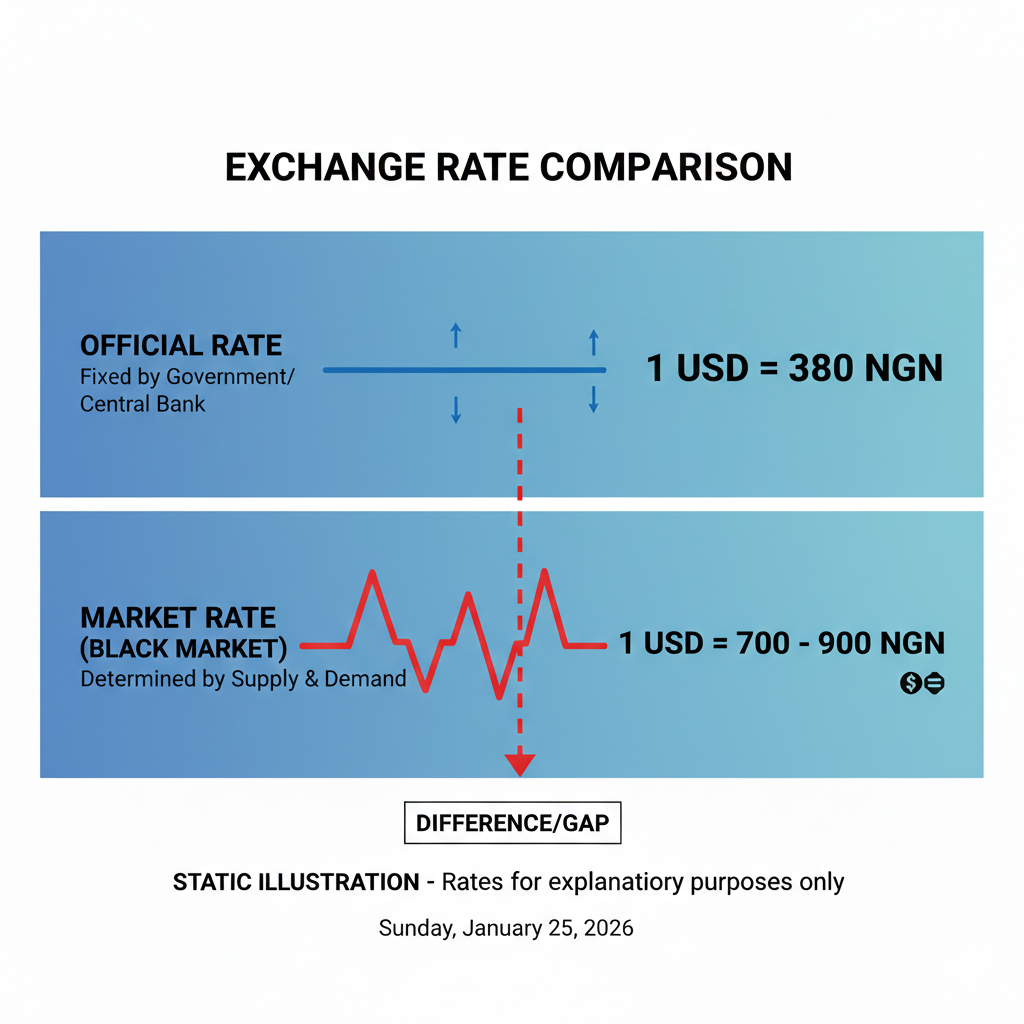
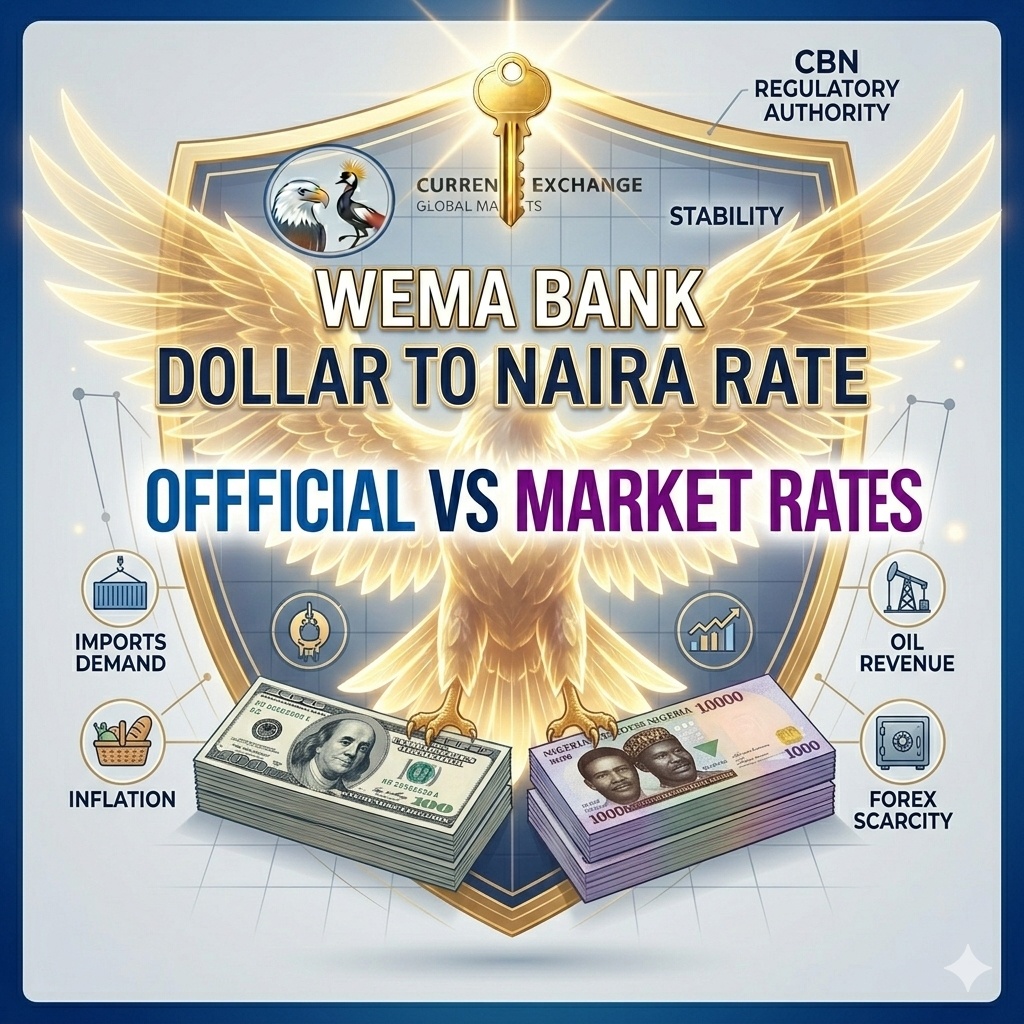
The official exchange rate is the rate recognized by financial authorities and used by licensed banks and approved financial institutions.
In Nigeria, exchange rate regulation and monetary policy are overseen by the Central Bank of Nigeria (CBN). The CBN manages currency stability, regulates financial institutions, and oversees official foreign exchange markets.
Why Official Rates Exist
Official rates help:
- Maintain financial stability
- Support regulated international trade
- Provide a reference rate for government transactions
- Reduce excessive currency volatility
Banks, importers, exporters, and government agencies often rely on official rates for documentation, accounting, and compliance purposes.
Parallel / Market Rates Explained (Neutral Tone)
The term parallel rate or black market rate refers to exchange rates that exist outside officially regulated channels. Many Nigerians search for this rate online because it often differs from the official rate.
It is important to understand this topic without promoting or encouraging illegal activity. Parallel rates usually emerge when:
- Demand for foreign currency exceeds supply
- Access to official foreign exchange is limited
- Market pressures push informal pricing
Legal and Risk Awareness
Currency exchange outside authorized channels may carry legal, financial, and personal risks. Rates may vary widely by location and source, and transactions are not protected by financial regulations.
This article explains the concept strictly for awareness and understanding, not participation.
Why the Dollar Is Expensive in Nigeria
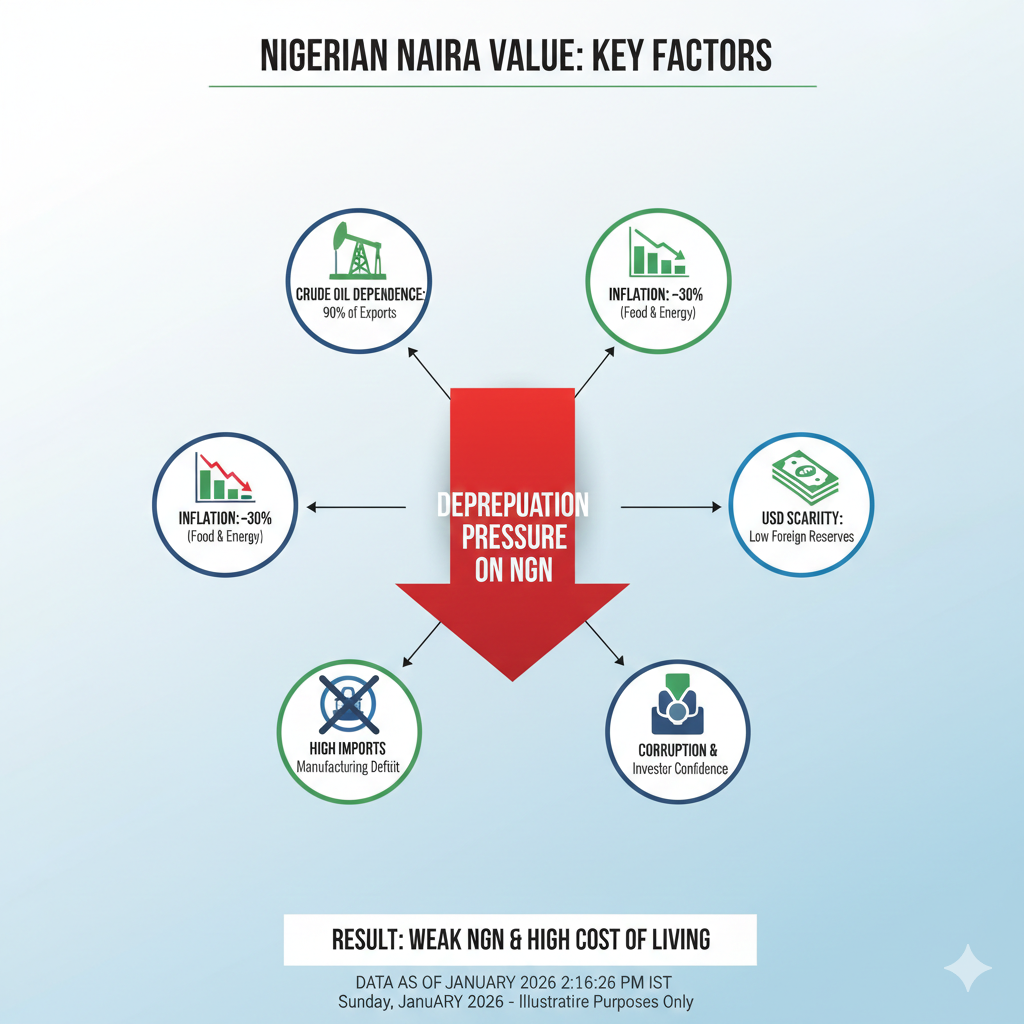
Several economic factors contribute to the rising cost of the dollar in Nigeria.
1. Inflation
High inflation reduces the purchasing power of the naira. When domestic prices rise faster than income, confidence in the local currency weakens.
2. Import Dependency
Nigeria imports many goods, including fuel-related products, electronics, machinery, and food items. Most imports require payment in dollars.
3. Oil Revenue Factors
Nigeria earns a large portion of foreign exchange from oil exports. Changes in oil prices, production levels, or global demand can affect dollar supply.
4. Demand and Supply Imbalance
When demand for dollars (for travel, education, online services, imports) exceeds available supply, the exchange rate adjusts accordingly.
How Exchange Rates Affect Daily Life in Nigeria
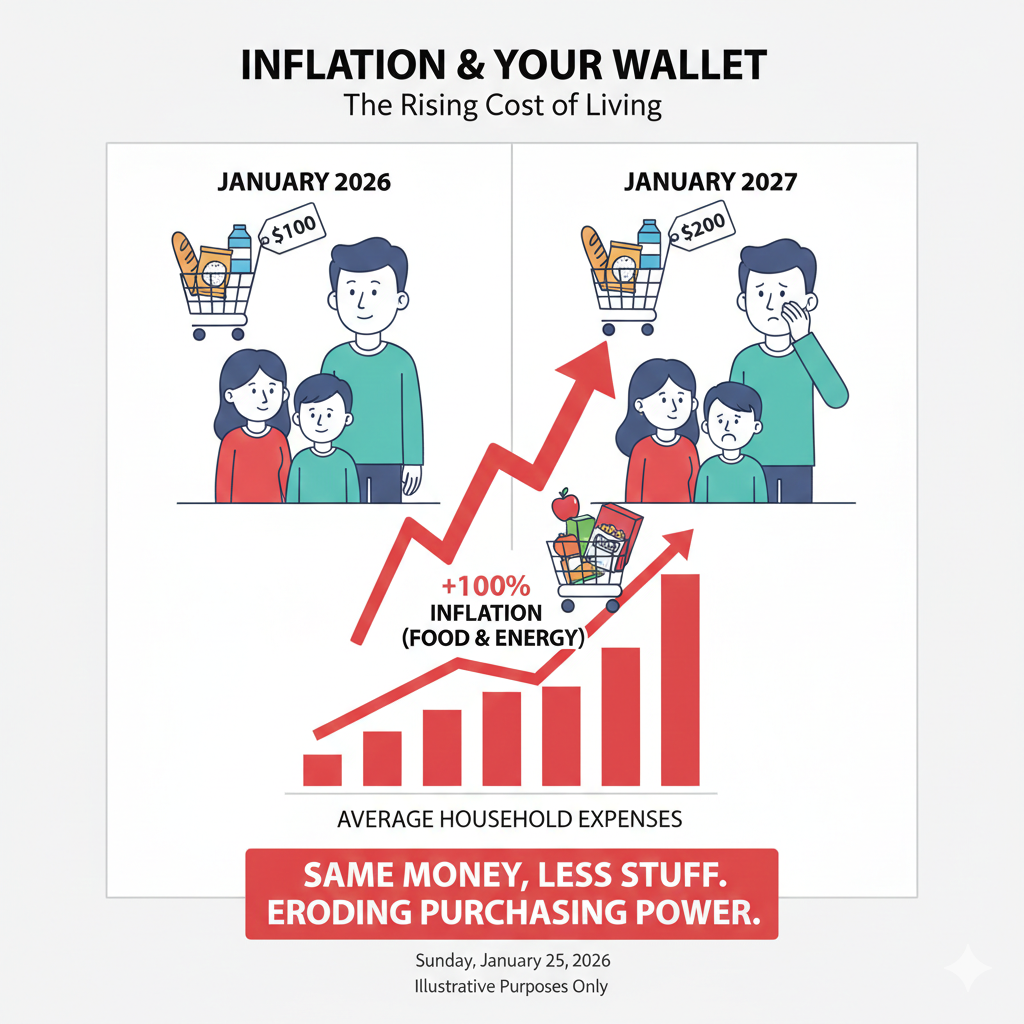
Exchange rates influence everyday expenses more than many people realize.
Food Prices
Imported food items and agricultural inputs often become more expensive when the dollar rises.
Fuel and Transportation
Fuel-related costs affect transport fares and logistics, which then impact overall pricing.
School Fees
Many foreign schools and examination bodies charge fees in dollars, affecting parents and students.
Online Subscriptions
Streaming services, software tools, and digital platforms usually charge in USD.
Travel Costs
Air tickets, visas, accommodation, and international payments depend heavily on exchange rates.
Common Myths About Dollar to Naira Exchange
Myth 1: “The dollar will crash suddenly”
Currency movements are influenced by complex economic factors. Sudden assumptions often lack factual backing.
Myth 2: “The rate is the same everywhere”
Exchange rates vary by source, location, and transaction type.
Myth 3: “Exchange rates are permanently fixed”
Rates change regularly due to market conditions, policy changes, and global events.
How to Check Dollar to Naira Rates Safely
For accurate and reliable information, Nigerians should rely on verified sources.
1. Banks
Commercial banks publish official exchange rates for transparency.
2. Official Platforms
The CBN and government-authorized platforms provide regulated data.
3. News Sources
Reputable Nigerian and international financial news outlets report exchange rate movements.
4. Avoid Unverified Sources
Social media rumors, screenshots, or unconfirmed claims may be misleading or outdated.
Frequently Asked Questions (FAQs)
What is the official dollar to naira rate?
The official rate is the exchange rate recognized by licensed banks and regulated by the Central Bank of Nigeria.
Why is the dollar higher in Nigeria?
Factors include inflation, import dependency, oil revenue challenges, and foreign exchange demand.
Is the black market rate legal in Nigeria?
Currency exchange outside authorized channels may involve legal and regulatory risks.
Does the dollar rate change daily?
Yes. Exchange rates can change frequently based on market conditions.
Where can I check trusted exchange rates?
Banks, official financial institutions, and reputable news sources are the safest options.
Is this article financial advice?
No. This content is for informational purposes only and should not be considered financial or investment advice.
Conclusion
Understanding the Dollar to Naira black market rate today requires context, caution, and accurate information. Exchange rates reflect economic realities, not just numbers on a screen. While rates may vary by source, informed awareness helps Nigerians make better financial decisions in daily life.
This article is written to help readers understand currency exchange concepts in Nigeria, without promoting illegal activity or speculation. Staying informed through trusted sources is always the safest approach.