
Introduction
In the current Nigerian economic landscape, the quest for seamless international transactions has made digital wallets and virtual dollar cards essential tools for many. Whether you are a freelancer receiving payments from abroad, a student paying international tuition fees, or a consumer subscribing to global streaming services, understanding the mechanics of currency conversion is vital. The exchange rate between the United States Dollar (USD) and the Nigerian Naira (NGN) fluctuates based on a variety of macroeconomic factors, influencing everything from the price of imported electronics to the cost of digital services.
A common question among digital savvy Nigerians is how to fund Chipper Cash dollar card effectively and within the bounds of current financial regulations. This article serves as a comprehensive educational guide to help you navigate the complexities of foreign exchange (forex), the role of the Central Bank of Nigeria (CBN) in regulating these transactions, and the practical steps involved in managing digital dollar denominated cards. This content is written to help readers understand currency exchange concepts in Nigeria and is for informational purposes only. It does not constitute financial or investment advice.
Table of Contents
What Is the Dollar to Naira Exchange Rate?
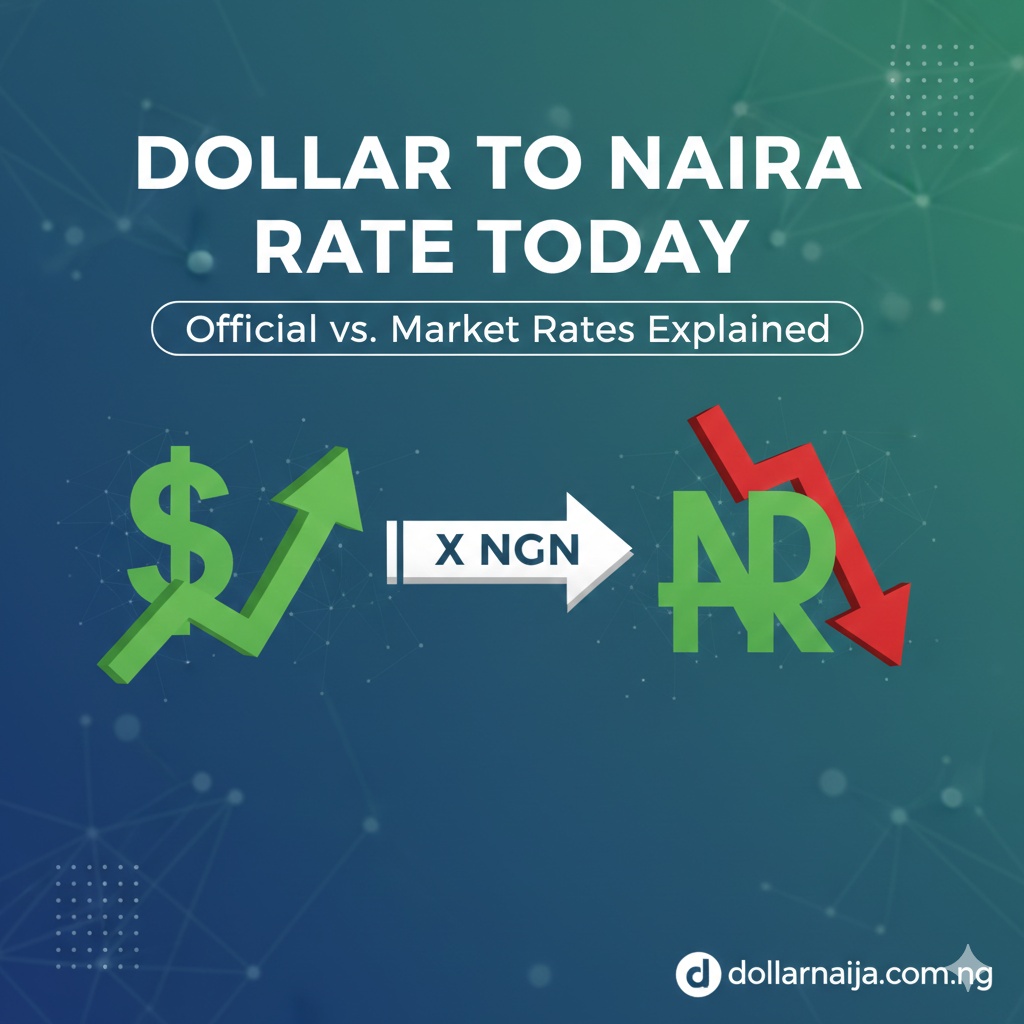
At its core, an exchange rate is the price of one currency expressed in terms of another. For Nigerians, the USD/NGN pair represents how many Naira are required to purchase one U.S. Dollar.
- USD (United States Dollar): The global reserve currency, used for most international trade.
- NGN (Nigerian Naira): The legal tender of the Federal Republic of Nigeria.
Exchange rates are determined by the foreign exchange market, which is a global, decentralized environment for the trading of currencies. In Nigeria, this market is segmented into different “windows” or tiers, often leading to different prices depending on where the transaction occurs. Understanding these rates is the first step in managing international payments and knowing the actual cost of funding a virtual card.
Official Dollar to Naira Rate in Nigeria
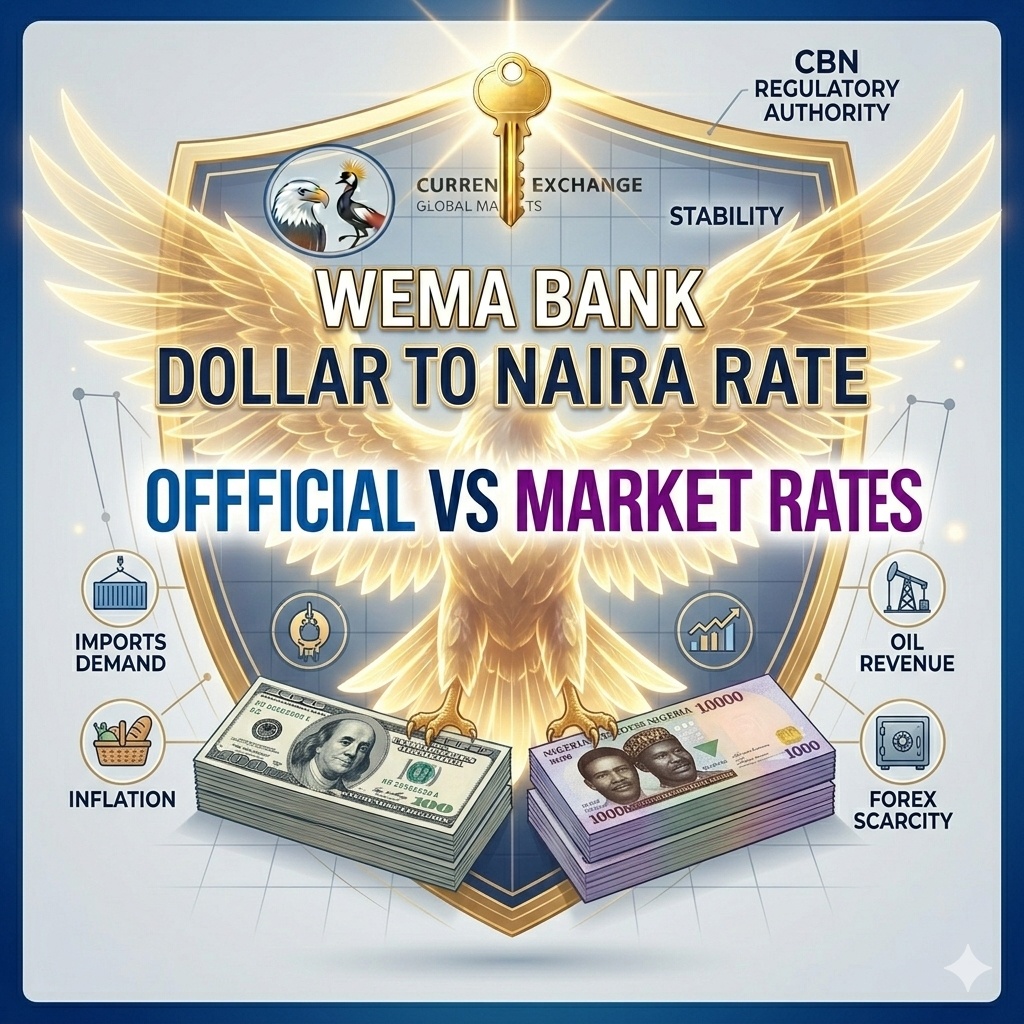
The “official rate” refers to the exchange rate determined or influenced by the Central Bank of Nigeria (CBN). This rate is typically used for government transactions, diplomatic purposes, and specific windows of the economy deemed essential by the regulator.
The Role of the Central Bank of Nigeria (CBN)
The CBN acts as the primary regulator of the Nigerian financial system. Its role includes:
- Managing the country’s foreign exchange reserves.
- Intervening in the market to ensure liquidity.
- Setting guidelines for Deposit Money Banks (DMBs) regarding how they sell dollars to the public.
The official rate is often more stable but may have stricter eligibility requirements for those looking to access it, such as for “Form A” applications (education, medical bills) or “Form Q” (SMEs).
Parallel Market Rates Explained (Neutral Tone)
Outside of the official banking windows, there exists a parallel market, often referred to as the “black market” or “street rate.” This market operates based on the immediate laws of supply and demand.
While the parallel market often provides quicker access to foreign currency, it comes with inherent risks. Rates in this market are typically higher than the official rate. It is important to note that the Nigerian government encourages the use of official channels for all foreign exchange transactions to ensure transparency and economic stability. Users should be aware of the legal framework surrounding currency exchange and the risks of dealing with unverified entities.
Why the Dollar Is Expensive in Nigeria
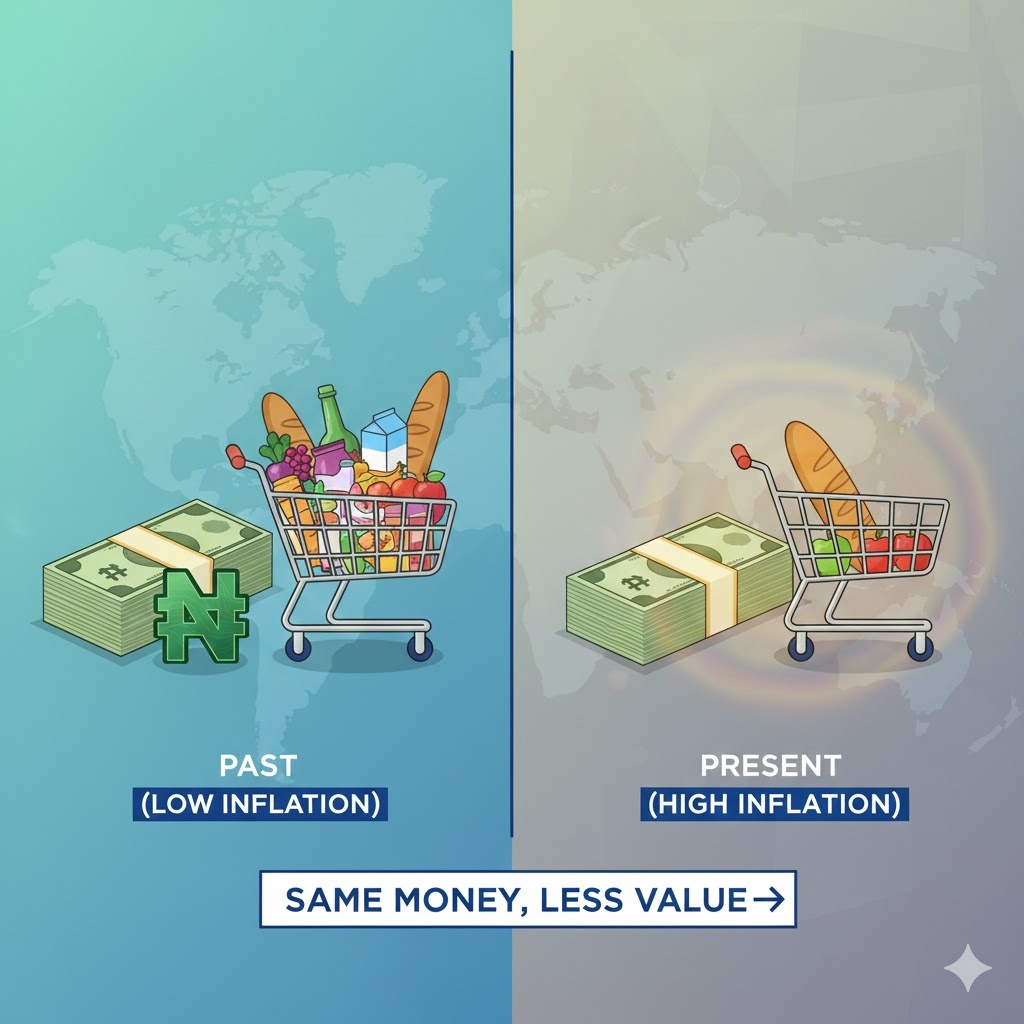
Several factors contribute to the depreciation of the Naira against the Dollar. Understanding these helps in managing expectations regarding future costs.
1. Import Dependency
Nigeria relies heavily on imported goods, ranging from refined petroleum products to machinery and food items. Because these goods must be paid for in USD, the demand for dollars remains consistently high.
2. Oil Revenue Factors
Crude oil exports are Nigeria’s primary source of foreign exchange. When global oil prices fall or domestic production is interrupted, the supply of dollars into the economy decreases, causing the price of the available dollars to rise.
3. Inflation
Inflation reduces the purchasing power of the Naira. When the domestic inflation rate is significantly higher than that of the United States, the Naira tends to weaken against the Dollar over time.
4. Speculation and Sentiment
Market participants’ perceptions of the economy can influence the rate. If people believe the Naira will lose value, they may seek to hold assets in Dollars, further increasing demand.
How to Fund Chipper Cash Dollar Card
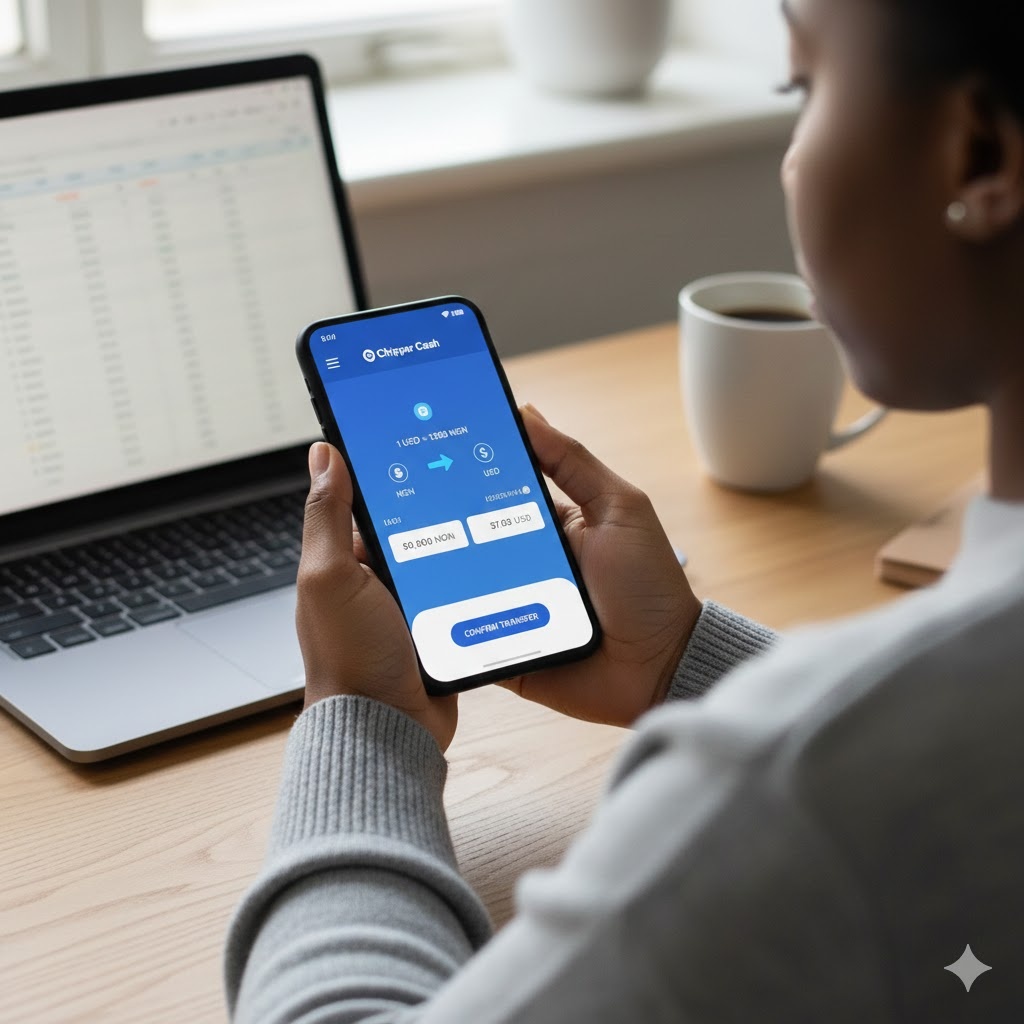
For many Nigerians, virtual cards like those provided by Chipper Cash offer a way to pay for international services when local debit cards face limitations. Here is a factual breakdown of the process:
Step 1: Funding Your Naira Wallet
Before you can fund a dollar card, you must have an active balance in your local currency (Naira) wallet. This is usually done through:
- Bank Transfer: Sending money from your traditional Nigerian bank account to the designated account number provided in the app.
- Direct Debit: Linking a local bank card to pull funds into the wallet.
Step 2: Navigating to the Card Section
Once your Naira wallet is funded, you navigate to the “Card” tab within the application. If you have already claimed your virtual dollar card, you will see an option to “Add Funds” or “Top Up.”
Step 3: Conversion and Fees
When you initiate the funding of the dollar card, the platform will display the current exchange rate they are using for the transaction. This rate is often a reflection of market conditions and includes a small margin for the service provider.
- Review the Rate: Always check the displayed rate before confirming.
- Transaction Fees: Be aware of any flat fees associated with the conversion or the maintenance of the card.
Step 4: Confirmation
After reviewing the details, you confirm the transaction. The equivalent amount in Naira is deducted from your wallet, and the USD balance is instantly credited to your virtual card.
How Exchange Rates Affect Daily Life in Nigeria
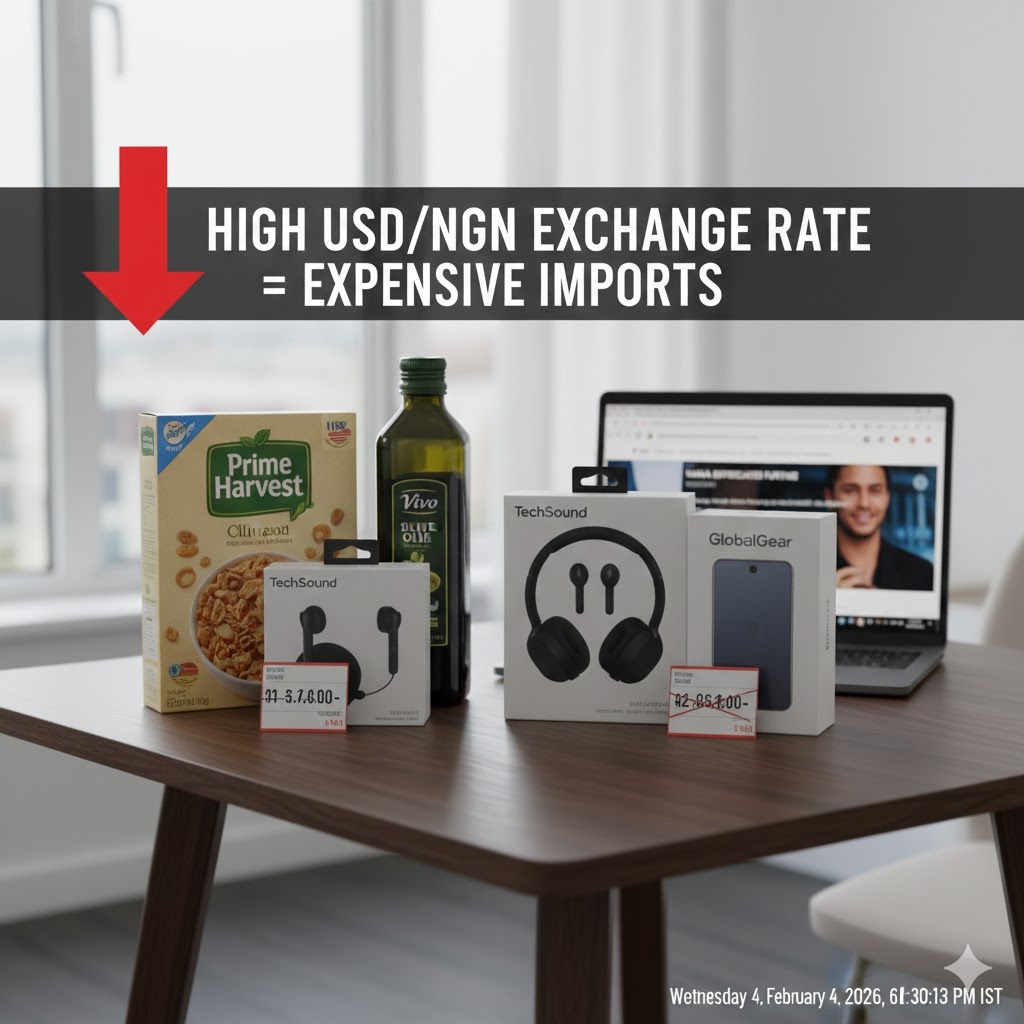
The USD/NGN rate is not just a number for traders; it impacts every Nigerian household.
- Food Prices: Many agricultural inputs (fertilizers, chemicals) and processed foods are imported. As the dollar rises, the cost of these items at the local market follows.
- Fuel and Energy: While Nigeria produces oil, it imports refined petrol. Fluctuations in the exchange rate can lead to adjustments in the landing cost of fuel.
- Education and Travel: For students studying abroad or individuals traveling for business, a higher exchange rate means a significant increase in the total cost of tuition and flight tickets.
- Digital Economy: Subscriptions to services like Netflix, Spotify, or cloud storage are often priced in dollars. A fluctuating rate changes the monthly Naira cost of these “hidden” expenses.
Common Myths About Dollar to Naira Exchange
- Myth 1: “The Dollar will crash to 1:1 tomorrow.” * Reality: Exchange rates are tied to complex economic fundamentals. Without massive shifts in production and export capacity, such drastic changes are unlikely in the short term.
- Myth 2: “The rate is the same everywhere.”
- Reality: Rates differ between the official I&E window, commercial banks, and various digital fintech platforms.
- Myth 3: “Exchange rates are fixed by the government.”
- Reality: While the government can influence the rate through policy, the market ultimately reacts to global and local supply and demand.
How to Check Dollar to Naira Rates Safely
In an era of misinformation, using trusted sources is paramount.
- Central Bank of Nigeria (CBN) Website: The ultimate source for official rates and policy circulars.
- Commercial Bank Apps: Most Nigerian banks display current exchange rates for their customers within their mobile banking apps.
- National Bureau of Statistics (NBS): Useful for historical data and economic reports regarding inflation and trade.
- Reputable Financial News Outlets: Sources that report on the Nigerian Autonomous Foreign Exchange Market (NAFEM) provide daily insights into market closing rates.
Frequently Asked Questions (FAQ)
1. What is the official dollar to naira rate today?
The official rate is determined by the closing price on the Nigerian Autonomous Foreign Exchange Market (NAFEM). It is best to check the CBN website or a reputable financial news site for the most current daily figure.
2. Why is the dollar higher in Nigeria compared to previous years?
The rise is primarily due to a shortage of dollar supply, high demand for imports, and broader inflationary pressures within the global economy.
3. Is the black market rate legal?
The CBN encourages all citizens to use official banking channels. Transactions conducted through unauthorized dealers carry higher risks and may be subject to regulatory scrutiny.
4. Does the dollar rate change daily?
Yes. In a floating or managed-float exchange rate system, the value of the currency can change every minute based on market trades, though official rates are usually updated once per business day.
5. Where can I check trusted rates for funding my card?
Check the transparent rate provided within your fintech app or consult your commercial bank’s forex desk.
6. Can I use my Naira card for dollar payments?
Most Nigerian Naira debit cards have significant limits or restrictions on international spending. This is why virtual dollar cards have become a popular alternative.
Conclusion
Navigating the world of foreign exchange in Nigeria requires patience and education. While learning how to fund Chipper Cash dollar card provides a practical solution for global payments, it is equally important to understand the economic “why” behind the numbers you see on your screen. By staying informed through official sources and understanding the factors that drive inflation and exchange rate volatility, you can make better-informed financial decisions.
Financial awareness is the best tool for navigating economic uncertainty. Always prioritize transparency and safety when performing currency conversions.
For daily currency education and explanations, visit dollarnaija.com.ng.