
Introduction
In the current economic climate, the exchange rate between the United States Dollar (USD) and the Nigerian Naira (NGN) is one of the most discussed topics in the country. From business owners importing raw materials to students paying tuition abroad, millions of Nigerians search for reliable information daily. This high demand for clarity has led many content creators to ask how to start a dollar blog in Nigeria to help bridge the information gap.
Understanding the dynamics of foreign exchange is crucial for financial awareness. This article is written to help readers understand currency exchange concepts in Nigeria and provide a roadmap for those looking to build an educational platform centered on these topics.
Disclaimer: This content is for informational purposes only. Exchange rates may vary significantly by source and are subject to market volatility. This is not financial or investment advice.
Table of Contents
What Is the Dollar to Naira Exchange Rate?
At its core, an exchange rate is the price of one currency in terms of another. When we discuss the USD to NGN rate, we are looking at how many Naira are required to purchase one US Dollar.
The US Dollar serves as the primary global reserve currency, meaning it is used for the majority of international trade. For Nigeria, a country that relies heavily on imports for everything from refined fuel to electronics, the exchange rate acts as a pulse for the economy.
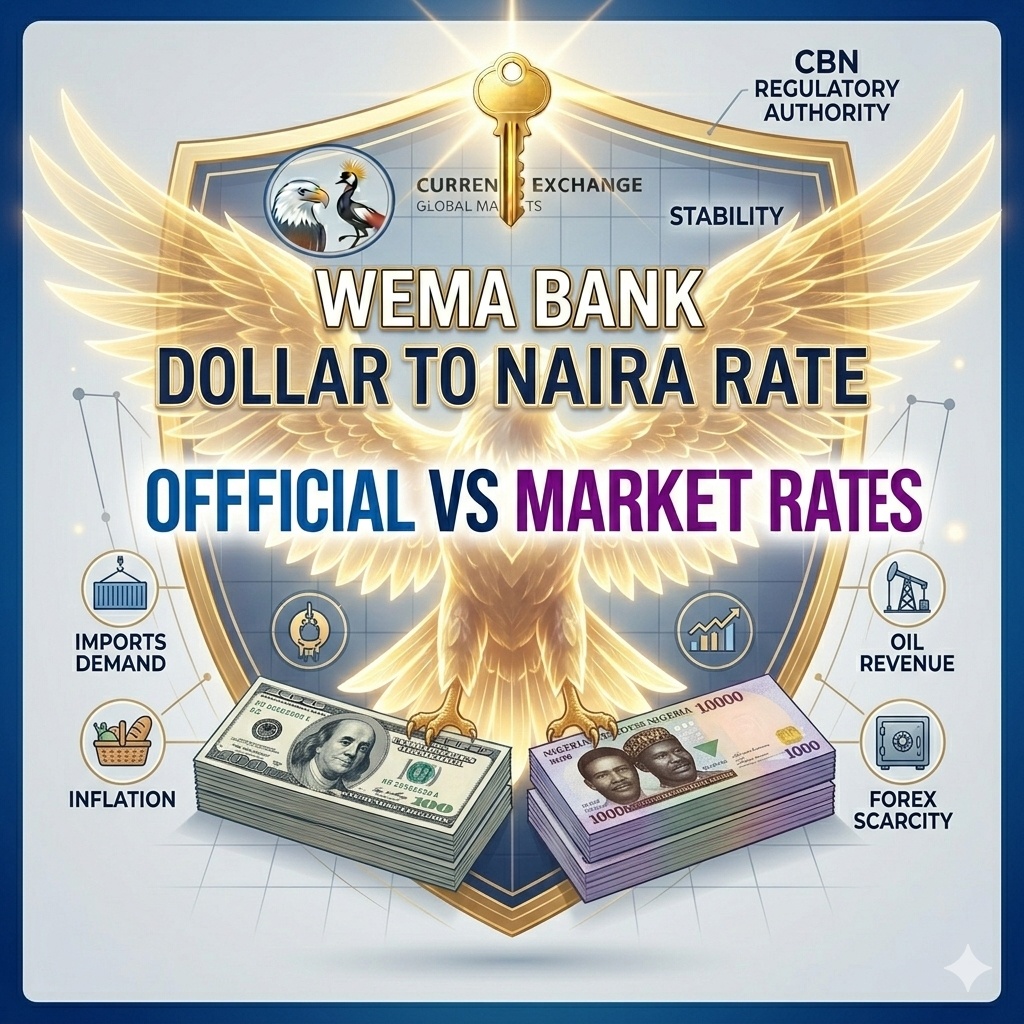
Official Dollar to Naira Rate in Nigeria
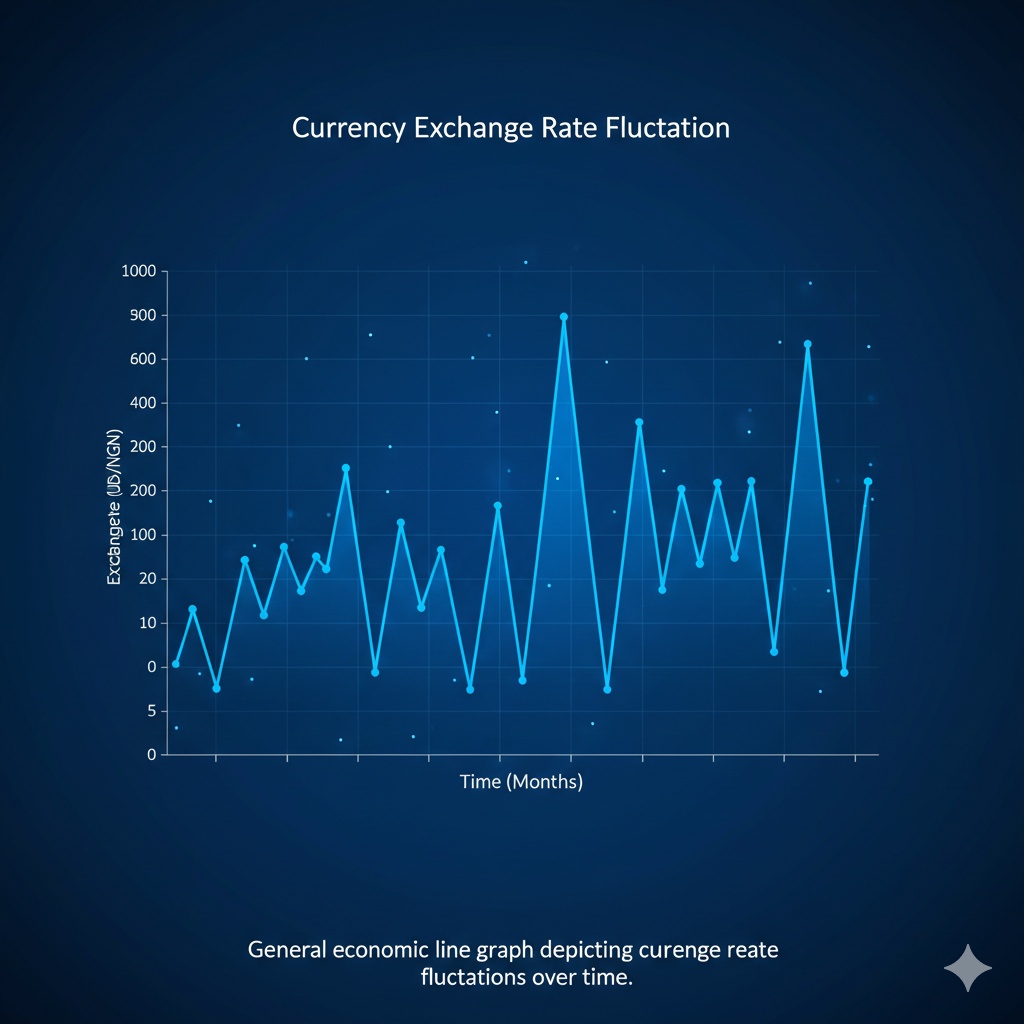
In 2026, understanding the official exchange rate requires looking at the Nigerian Autonomous Foreign Exchange Market (NAFEM). This is the official window where the value of the Naira is determined by market forces—specifically demand and supply—rather than being strictly “fixed” by the government.
What is the “Official Rate” Today?
As of mid-February 2026, the official NAFEM rate has shown a trend of stabilization, generally hovering between ₦1,345 and ₦1,360 per US Dollar.
Unlike the past where the Central Bank of Nigeria (CBN) held a single static price, the official rate now fluctuates daily based on actual trades conducted between authorized dealers (banks) and their clients. This “market-determined” approach is part of a broader reform to make the Nigerian economy more transparent and attractive to foreign investors.
Key Components of the Official Rate
- NAFEM (The Marketplace): This is the primary platform for official transactions. If you are a large manufacturer importing machinery or a student paying fees through a bank (using Form A), your transaction is typically processed near this rate.
- Price Discovery: The rate is calculated using a “weighted average” of all trades done during the business day. This means the official rate you see in the news is a reflection of what major players actually paid for dollars that day.
- The Role of the CBN: While the CBN no longer “dictates” the price, it acts as a regulator and a major supplier. When the market is too volatile, the CBN may intervene by injecting more dollars into the system to help stabilize the rate.
Why the Official Rate Matters
- Government Revenue: Nigeria’s budget is often calculated based on a benchmark exchange rate. A stable official rate helps the government plan for infrastructure and public services.
- Corporate Planning: Major companies like MTN, Dangote Group, and international airlines use the official rate to value their assets and set prices for the Nigerian market.
- Inflation Control: Because many essential goods (like fuel and medicine) are imported through official channels, the NAFEM rate directly influences how much you pay at the pharmacy or the grocery store.
How to Monitor the Official Rate Safely
To find the most accurate official rate, you should always refer to:
- The CBN Official Website: They publish the “Daily Exchange Rate” which shows the opening, closing, and average rates.
- FMDQ Group: This is the entity that oversees the NAFEM platform; they provide real-time data on trade volumes and price ranges.
- Commercial Bank Apps: Your bank’s mobile app will usually display the “Bank Rate,” which is closely tied to the official NAFEM closing price.
The Role of the Central Bank of Nigeria (CBN)
The CBN manages the country’s foreign exchange reserves and implements monetary policies to maintain economic stability. The official rate exists to provide a standardized benchmark for formal economic activities. By maintaining an official window, the government attempts to provide subsidized access to foreign currency for essential sectors like agriculture and manufacturing.
Parallel Market Rates Explained (Neutral Tone)
In Nigeria, there is often a distinction between the official rate and the “parallel market” or “black market” rate. The parallel market is an unofficial market where currency is traded outside of the formal banking system.
It is important to understand that these rates are driven strictly by the forces of demand and supply. When there is a shortage of dollars in the official banking windows, individuals and businesses often turn to the parallel market to meet their needs. While this market is widely cited in news reports, it carries higher risks, including the potential for counterfeit currency and a lack of regulatory protection.
Why the Dollar Is Expensive in Nigeria
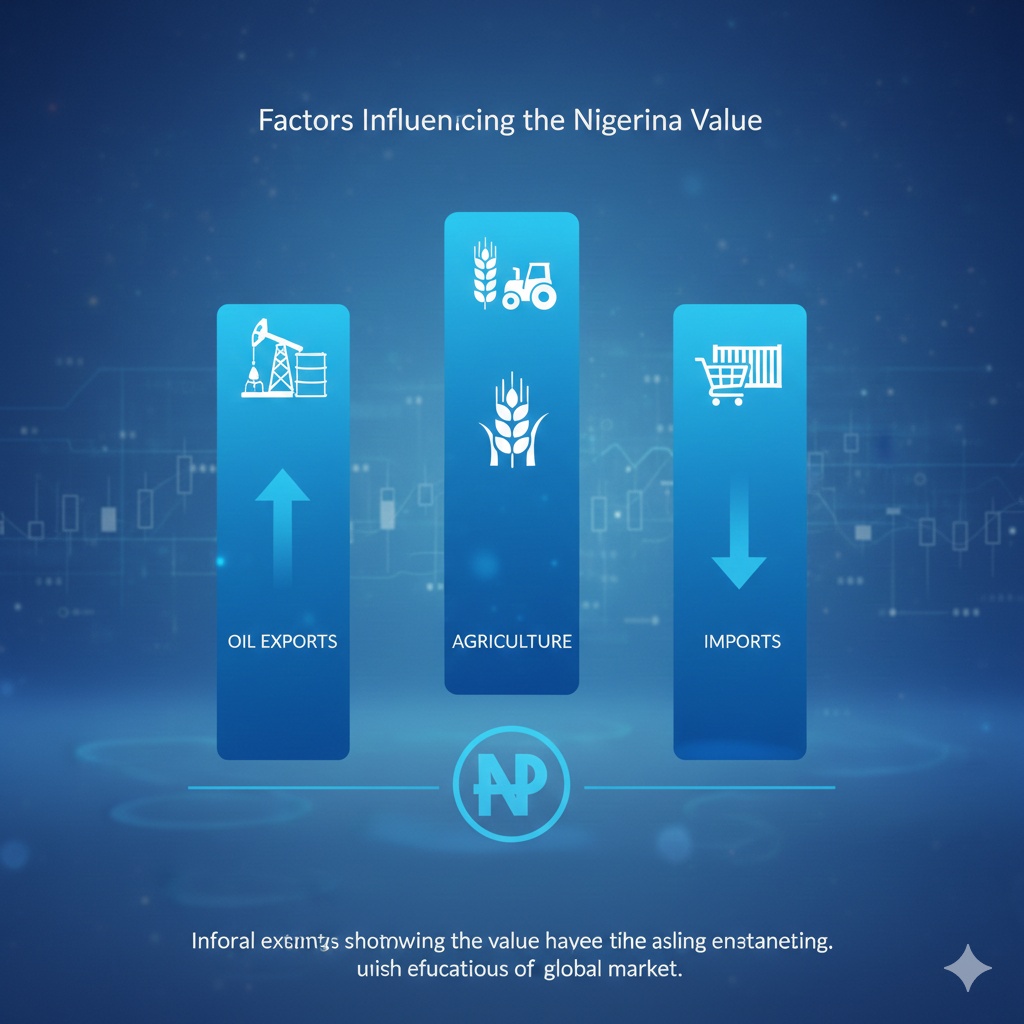
In 2026, the high cost of the US Dollar in Nigeria is the result of several long-term structural issues and more recent global economic shifts. Understanding these factors is key to navigating the current financial landscape.
Here are the primary reasons why the dollar remains expensive:
1. High Demand for Imports
Nigeria remains a heavily import-dependent nation. We rely on foreign countries for everything from refined petroleum and industrial machinery to raw food materials and electronics. Because these goods must be paid for in US Dollars, there is a constant, high demand for the greenback. When the demand for dollars consistently outweighs the available supply in the Nigerian market, the price (exchange rate) goes up.
2. Fluctuations in Oil Revenue
Crude oil is Nigeria’s “dollar engine.” When global oil prices are volatile—as seen in early 2026 due to shifting global demand—the amount of foreign currency flowing into Nigeria’s reserves fluctuates. Even when oil prices are stable, domestic production challenges (like technical issues or security) can limit the total number of barrels exported, leading to a “dollar scarcity” that drives up the rate.
3. Lingering Inflationary Pressures
While the Central Bank of Nigeria (CBN) has projected inflation to moderate to roughly 12.9% in 2026, the cumulative effect of previous years of high inflation still weighs on the Naira. When a local currency loses purchasing power due to high prices at home, it naturally becomes weaker compared to a global “hard currency” like the US Dollar.
4. Market Liberalization (NAFEM)
Following the major reforms that began in 2023 and 2024, Nigeria moved toward a floating exchange rate. This means the government no longer “forces” the dollar to stay at an artificially low price. Instead, the rate at the official NAFEM window reflects the real-world cost of currency. While this is better for long-term economic health, it initially made the dollar feel much more expensive as it found its “true” market value, which is currently settling between ₦1,350 and ₦1,500.
5. Global Interest Rates
The United States Federal Reserve’s decisions on interest rates also play a role. If interest rates in the U.S. remain high, global investors prefer to keep their money in Dollars rather than moving it into emerging markets like Nigeria. This “capital flight” reduces the supply of dollars available in the Nigerian banking system.
6. Speculation and Hoarding
In times of economic uncertainty, individuals and businesses often buy dollars not because they need them immediately, but as a “store of value” to protect their wealth from Naira depreciation. This speculative buying creates additional demand, pushing the price even higher.
1. Import Dependency
Nigeria consumes more foreign goods than it exports (excluding crude oil). When a country imports heavily, it must constantly buy foreign currency (USD) to pay suppliers, which puts downward pressure on the local currency.
2. Oil Revenue Factors
Crude oil is Nigeria’s primary source of foreign exchange. When global oil prices drop or domestic production decreases due to technical or security issues, the supply of dollars entering the country shrinks.
3. Inflation
Inflation reduces the purchasing power of a currency. If inflation in Nigeria is significantly higher than in the United States, the Naira tends to depreciate against the Dollar over time.
4. Demand and Supply
Foreign exchange is a commodity. When demand from travelers, investors, and importers exceeds the available supply provided by the CBN and exporters, the price of the dollar naturally rises.
How Exchange Rates Affect Daily Life in Nigeria
In 2026, the exchange rate is not just a financial metric found on news tickers; it is a fundamental force that dictates the standard of living for every Nigerian household. Because Nigeria operates as an import-dependent economy, any shift in the value of the Naira (NGN) against the Dollar (USD) triggers a “pass-through” effect that touches nearly every aspect of daily life.
1. The “Grocery Store” Effect (Food Inflation)
Food accounts for over 50% of average household spending in Nigeria. Even for locally grown crops, the exchange rate plays a hidden role:
- Imported Inputs: Farmers rely on imported fertilizers, pesticides, and tractor parts. When the dollar becomes more expensive, these farming costs rise, leading to higher prices for staples like yams, cassava, and vegetables.
- Direct Imports: Items like wheat (for bread), milk, and sugar are largely imported. A weak Naira directly increases the price of a loaf of bread or a tin of milk almost instantly.
2. Transportation and Energy Costs
While Nigeria has increased its local refining capacity by 2026, the pricing of petroleum products remains globally indexed in dollars.
- Petrol and Diesel: When the Naira depreciates, the landing cost of fuel (or the opportunity cost for local refiners) increases. This leads to higher prices at the pump, which immediately causes commercial bus drivers to raise fares, affecting the daily commute of millions.
- Logistics: Higher fuel prices mean it costs more to move goods from farms to city markets, creating a second wave of price hikes on all consumer goods.
3. Business Sustainability and Employment
For the millions of Small and Medium Enterprises (SMEs) in Nigeria, exchange rate volatility is a major risk factor:
- Inventory Costs: A trader in Alaba or Ariaria market who needs to restock electronics or spare parts must spend more Naira to get the same amount of Dollar-priced stock.
- Profit Margins: Many businesses cannot pass the full cost increase to customers who are already struggling. This leads to reduced profits, business closures, or “shrinkflation”—where the price stays the same but the product size gets smaller.
4. Education and Personal Aspirations
The exchange rate often acts as a barrier to global opportunities:
- School Fees: For parents with children studying abroad, a sudden spike in the exchange rate can mean a 20% to 30% increase in their tuition bill in Naira terms overnight.
- Digital Services: Payments for international exams (GRE, IELTS), professional certifications, and even monthly subscriptions (Netflix, iCloud, Zoom) become more expensive as the Naira weakens.
- Food Prices: Many agricultural inputs, such as fertilizers and machinery, are imported. Additionally, staple foods like wheat are often sourced internationally.
- Fuel Costs: Although Nigeria produces crude oil, it imports a large portion of its refined petrol. A weaker Naira often leads to higher prices at the pump.
- Education and Healthcare: Nigerians studying abroad or seeking medical treatment overseas find that their costs increase whenever the Naira loses value.
- Digital Economy: Subscriptions for streaming services, cloud storage, and online advertisements are usually priced in dollars, making them more expensive as the rate climbs.
Common Myths About Dollar to Naira Exchange
To maintain financial literacy, it is important to debunk common misconceptions:
- “The Dollar will crash soon”: Currency markets are complex. While fluctuations happen, major “crashes” are rare and usually tied to massive global shifts, not just local rumors.
- “The rate is the same everywhere”: As noted, there are different windows (Official vs. Parallel), and even different banks may have slight variations in fees.
- “Exchange rates are fixed”: While the CBN can influence rates, the global market is floating. The value is constantly changing based on international trade data.
How to Check Dollar to Naira Rates Safely
If you are looking for accurate information, avoid unverified social media rumors. Instead, use these channels:
- Commercial Banks: Most Nigerian banks display the official exchange rates on their websites or in their branches.
- Official Platforms: The Central Bank of Nigeria (CBN) website provides daily updates on official windows.
- Financial News Outlets: Reputable news organizations provide data-driven reports on market trends.
- National Bureau of Statistics (NBS): For long-term data on inflation and economic performance.
How to Start a Dollar Blog in Nigeria: Content Strategy
If you intend to start a blog in this niche, your goal should be to provide educational value while remaining compliant with search engine and advertising policies.
Focus on Education
Instead of focusing on “fast profit” or “black market” updates, focus on explaining economic terms. Write about how inflation works, the history of the Naira, or how to use official banking channels for foreign payments.
Data Accuracy
Ensure your data comes from verified sources like the CBN or the NBS. Accuracy is the cornerstone of E-E-A-T (Experience, Expertise, Authoritativeness, and Trustworthiness) in the financial niche.
Neutrality and Compliance
To remain Google AdSense compliant, avoid any language that encourages illegal currency trading. Use a neutral tone and focus on the “why” and “how” of the economy rather than telling people when to buy or sell.
FAQ Section
What is the official dollar to naira rate? The official rate is the exchange value set by the Central Bank of Nigeria (CBN) for formal transactions and government use. It is usually lower than the market rate.
Why is the dollar higher in Nigeria? The dollar is higher due to high demand for imports, limited supply from oil exports, and domestic inflation which reduces the Naira’s purchasing power.
Is the black market rate legal? The Nigerian government encourages the use of official banking channels (the I&E window) for currency exchange. Trading in the unofficial parallel market occurs outside of government regulation.
Does the dollar rate change daily? Yes. In the global forex market, rates change every second. In Nigeria, official rates are updated daily on business days.
Where can I check trusted rates? The most trusted sources are the Central Bank of Nigeria (CBN) website and the official websites of registered commercial banks.
How does the dollar rate affect inflation? When the dollar becomes more expensive, the cost of importing goods increases. These costs are passed on to consumers, leading to a general rise in prices known as inflation.
Conclusion
Navigating the complexities of the dollar to naira exchange rate in 2026 requires more than just checking a daily number; it demands a commitment to long-term financial awareness. As we have explored, the exchange rate is a reflection of Nigeria’s broader economic health, influenced by our import habits, oil revenues, and the global standing of the US Dollar.
The outlook for 2026 is one of cautious optimism. With the Central Bank of Nigeria (CBN) projecting a more stable exchange rate averaging around ₦1,400/US$ and a significant moderation in inflation, there is a clear path toward a more predictable economic environment. However, true financial stability begins at the individual level. By understanding how these macroeconomic factors filter down to your grocery bill, school fees, and business margins, you are better equipped to make informed decisions and build a resilient financial safety net.
As Nigeria continues its journey toward economic stabilization, staying educated through trusted sources is your most valuable asset. Knowledge truly is power when it comes to managing your money in a globalized world.
For daily currency education and explanations, visit dollarnaija.com.ng