
Introduction
The exchange rate between the United States Dollar (USD) and the Nigerian Naira (NGN) is one of the most discussed topics in Nigeria today. Whether you are a student paying international tuition, a business owner importing raw materials, or someone receiving money from family abroad, the Western Union dollar to naira rate directly impacts your purchasing power.
In Nigeria, foreign exchange (Forex) is more than just a financial metric; it is a driver of the cost of living. Because the country relies heavily on imports for everything from refined fuel to electronics and food items, any shift in the dollar rate is felt in local markets across the country. This article is written to help readers understand currency exchange concepts in Nigeria, providing a clear and neutral overview of how rates are determined and why they fluctuate.
Disclaimer: This content is for informational purposes only. Exchange rates vary significantly by source and can change multiple times a day. This is not financial, legal, or investment advice.
Table of Contents
What Is the Dollar to Naira Exchange Rate?
At its core, an exchange rate is the price of one currency in terms of another. In this case, the dollar to naira exchange rate tells you how many Nigerian Naira you need to give up to obtain one United States Dollar.
- USD (United States Dollar): The global reserve currency used for international trade.
- NGN (Nigerian Naira): The legal tender and national currency of Nigeria.
Exchange rates are not fixed in a vacuum; they function like the price of any other commodity. When more people in Nigeria want dollars (to pay for imports or travel) than there are dollars available, the price of the dollar goes up. Conversely, if there is an abundance of dollars entering the economy, the naira may strengthen.
Official Dollar to Naira Rate in Nigeria

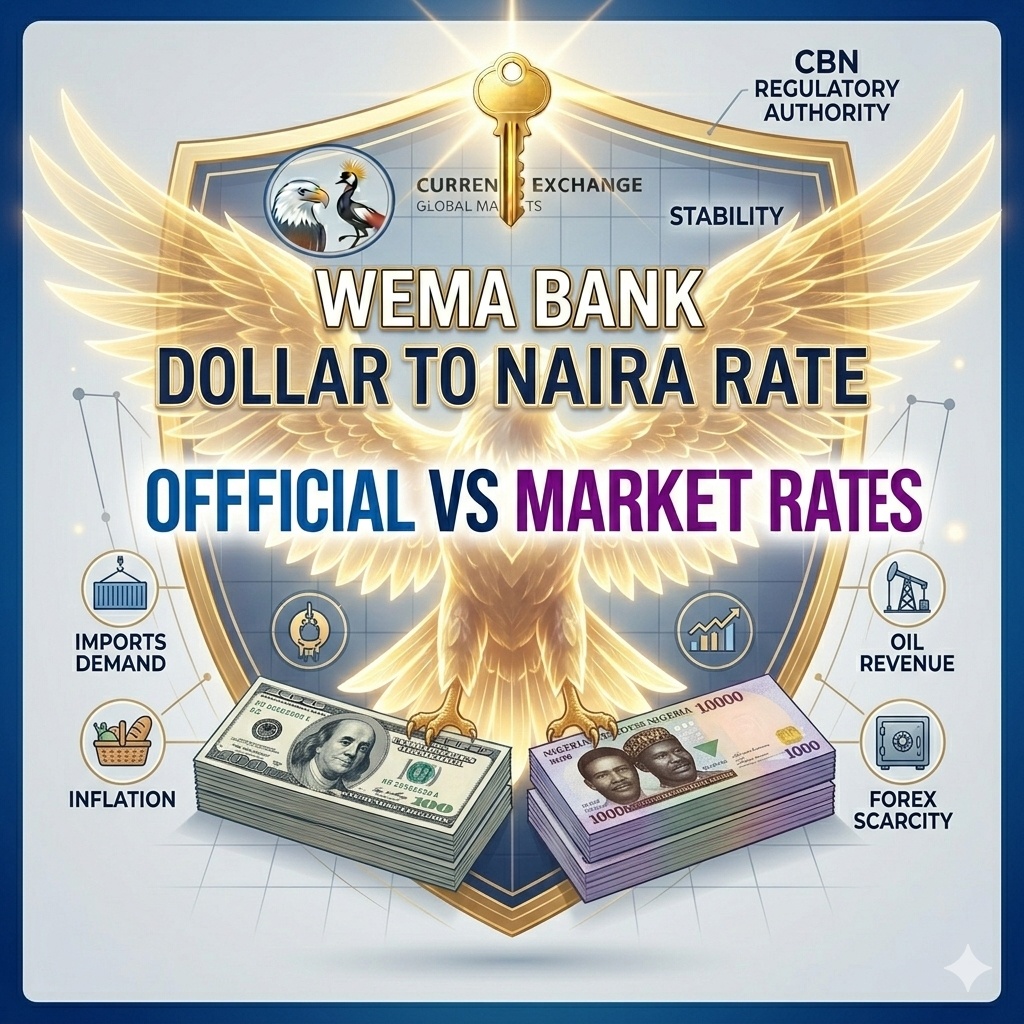
The Official Rate refers to the exchange price set or recognized by the Central Bank of Nigeria (CBN). This rate is primarily used for government transactions, diplomatic dealings, and eligible imports through the official banking windows.
The CBN uses various mechanisms, such as the Nigerian Autonomous Foreign Exchange Market (NAFEM), to create a transparent environment where “willing buyers and willing sellers” can trade. The goal of the official rate is to maintain monetary stability and ensure that essential sectors of the economy have access to foreign currency at a regulated price.
Western Union Dollar to Naira Rate Explained

Many Nigerians receiving remittances from the United States or Europe look specifically for the Western Union dollar to naira rate. It is important to understand that Western Union, like other International Money Transfer Operators (IMTOs), does not use the mid-market rate you might see on a search engine.
Western Union calculates its exchange rates based on several factors:
- Interbank Rates: They look at the prevailing rates in global financial markets.
- Service Margin: A small percentage is often added to the rate to cover operational costs.
- CBN Guidelines: In 2026, IMTOs must follow specific CBN circulars regarding how they disburse funds. Currently, most international transfers are paid out in Naira to the recipient’s bank account or in cash (within specified limits).
Because these rates are updated multiple times a day, the amount your sender sees in the US might differ slightly by the time the money is ready for pickup in Lagos or Abuja.
Parallel / Market Rates Explained (Neutral Tone)
In Nigeria, there is often a distinction between the “official” rate and the “parallel” or “market” rate. The parallel market consists of private individuals and unregulated entities that trade currency outside the official banking system.
While the parallel market is a reality of the Nigerian economic landscape, it carries significant risks:
- Volatility: Rates can change drastically within hours based on rumors or local demand.
- Lack of Protection: Transactions are not backed by the same consumer protection laws as bank-led exchanges.
- Legal Awareness: The Nigerian government encourages the use of official channels to ensure the stability of the national economy and to prevent illicit financial flows.
Using official channels for your Western Union dollar to naira rate transactions ensures that your funds are processed through secure, verified, and legal financial institutions.
Why the Dollar Is Expensive in Nigeria
Several economic factors contribute to why the dollar maintains a high price against the naira:
- Import Dependency: Nigeria imports a vast majority of its consumer goods, including refined petrol, machinery, and textiles. This creates a constant, high demand for dollars.
- Oil Revenue Fluctuations: As Nigeria’s primary source of foreign exchange, any drop in global oil prices or domestic production levels reduces the supply of dollars available to the CBN.
- Inflation: When the local inflation rate is high, the purchasing power of the naira drops, making foreign currencies appear more expensive in comparison.
- Global Interest Rates: If the US Federal Reserve raises interest rates, investors may move their money out of emerging markets like Nigeria and into US assets, further increasing dollar demand.
How Exchange Rates Affect Daily Life
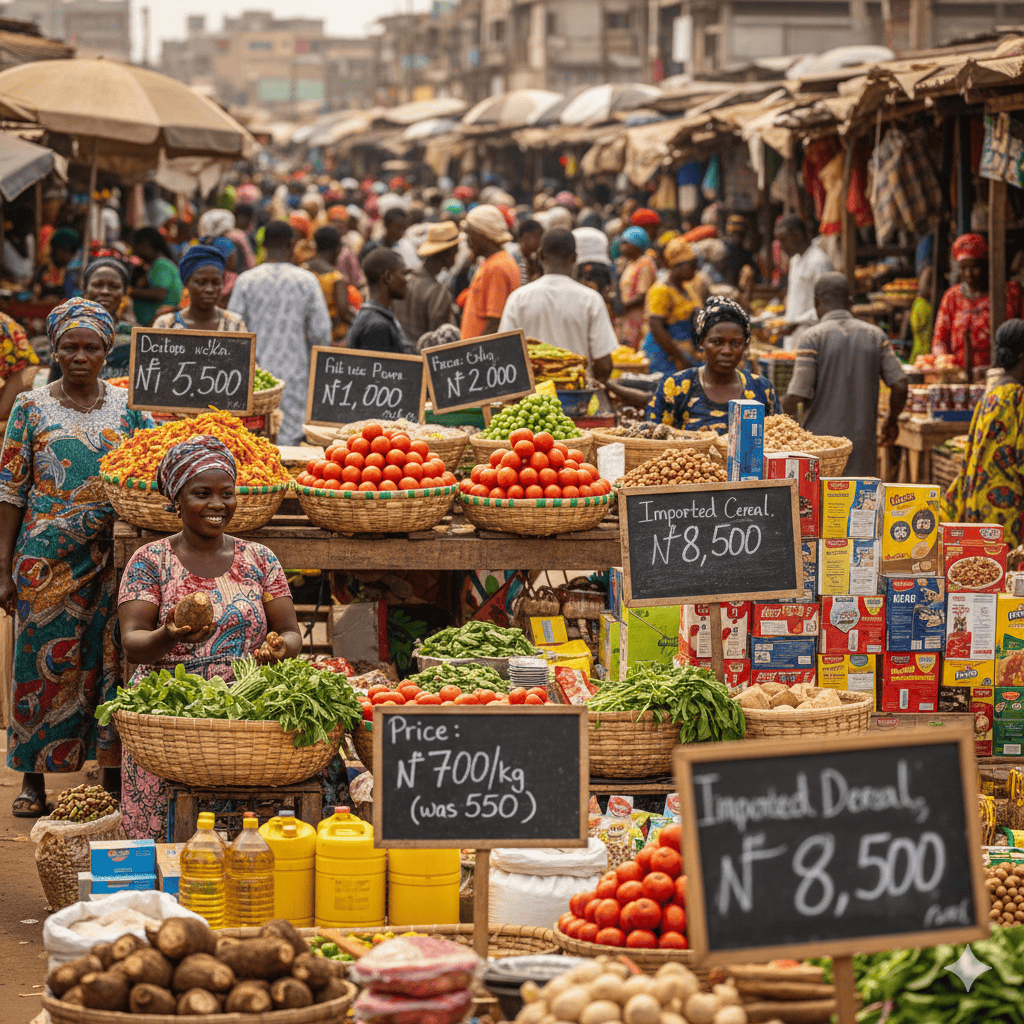
The Western Union dollar to naira rate is not just a number on a screen; it affects the wallet of every Nigerian.
- Food Prices: Many agricultural inputs (fertilizers, chemicals) and processed foods are imported. High dollar rates lead to higher grocery bills.
- Education and Health: For families with children studying abroad or those seeking medical treatment overseas, a high exchange rate significantly increases the cost of tuition and fees.
- Online Subscriptions: Services like Netflix, Spotify, and cloud storage are often billed in dollars, meaning the monthly naira cost fluctuates with the exchange rate.
- Travel: Airline tickets for international travel are priced according to global standards, making them more expensive when the naira is weak.
Common Myths About Dollar to Naira Exchange
- Myth 1: “The dollar will crash tomorrow.” Currency markets are complex. Sudden “crashes” are rare and usually tied to major policy shifts or global events, not daily rumors.
- Myth 2: “The rate is the same everywhere.” Rates vary between banks, IMTOs like Western Union, and different regions. There is no single “universal” price.
- Myth 3: “A high exchange rate is only the government’s fault.” While policy matters, global oil prices and the personal consumption habits of citizens (choosing imports over local goods) also play massive roles.
How to Check Dollar to Naira Rates Safely
To avoid misinformation, it is essential to use verified sources when looking for the latest Western Union dollar to naira rate or official bank rates:
- Official Bank Apps: Most Nigerian commercial banks display their daily exchange rates within their mobile apps.
- Western Union Official Website: Use their built-in currency converter to see exactly what a recipient will get.
- CBN Website: The Central Bank of Nigeria publishes official closing rates daily.
- Trusted Financial News: Platforms like the National Bureau of Statistics (NBS) provide data on inflation and economic trends that influence the rate.
FAQ Section
What is the official dollar to naira rate? The official rate is the price determined by the Central Bank of Nigeria (CBN) for transactions within the formal banking sector. It is generally lower than the parallel market rate.
Why is the dollar so high in Nigeria right now? It is primarily due to a high demand for imports, limited dollar supply from oil exports, and domestic inflation.
Is the Western Union rate different from the bank rate? Yes. Western Union adds a small margin to the interbank rate to cover its service costs, which may result in a slightly different rate than what a commercial bank offers for a different type of transaction.
Can I receive dollars in cash from Western Union in Nigeria? According to current CBN guidelines in 2026, most remittances are paid out in Naira. However, specific policies regarding “Foreign Currency Cash” can change; always check with your local bank branch.
Does the dollar rate change on weekends? While the official banking markets are closed on weekends, global markets and some digital platforms may still show fluctuations. However, most official Nigerian rates remain stagnant until Monday morning.
Where can I check trusted rates for Western Union? The safest place is the official Western Union website or through the mobile app of your receiving bank in Nigeria.
Conclusion
Understanding the Western Union dollar to naira rate is key to navigating the Nigerian financial landscape in 2026. While the fluctuations can be challenging, staying informed through official sources helps you make better financial decisions. By focusing on financial awareness and utilizing authorized channels, you contribute to a more stable and transparent economy.
Remember that currency markets are inherently volatile. Always verify the specific rate at the exact moment of your transaction to ensure you have the most accurate information.