
Introduction
The relationship between the United States Dollar (USD) and the Nigerian Naira (NGN) is a focal point of economic discussion within Nigeria. For many Nigerians, whether they are students studying abroad, professionals receiving freelance payments, or families receiving support from the diaspora, understanding how to navigate international money transfers is essential.
The search for the most efficient way to move funds often leads to a comparison of major platforms, specifically WorldRemit vs Remitly for Nigeria. These services have become prominent alternatives to traditional banking due to their digital-first approach. However, navigating the complexities of exchange rates, inflation, and Nigerian financial regulations requires a clear understanding of how these systems operate. This article is written to help readers understand currency exchange concepts in Nigeria and provide an educational overview of the factors influencing the value of the Naira.
Disclaimer: This content is for informational purposes only. Exchange rates vary significantly by source and can change minute by minute. This article does not constitute financial, investment, or legal advice.
Table of Contents
What Is the Dollar to Naira Exchange Rate?
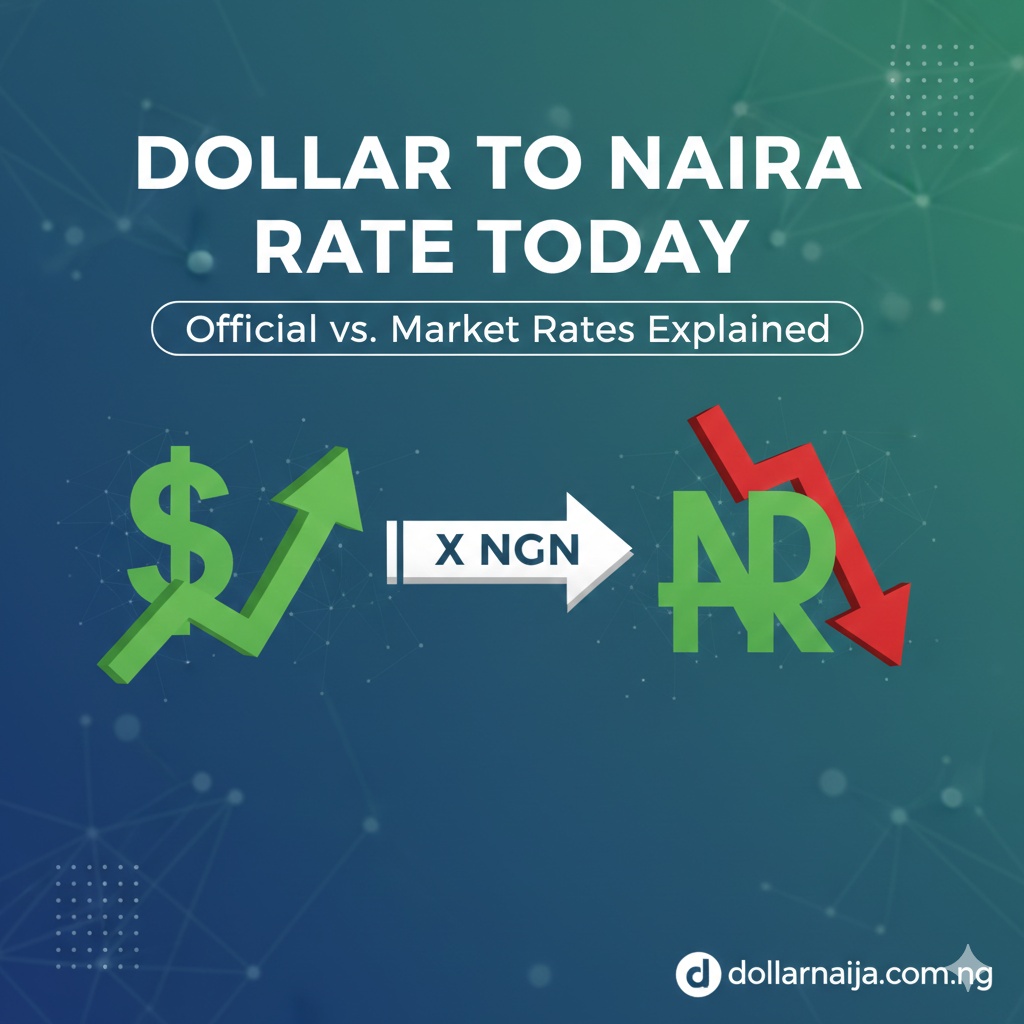
At its core, an exchange rate is the price of one currency expressed in terms of another. In this context, the USD/NGN exchange rate tells you how many Nigerian Naira are needed to purchase one United States Dollar.
The United States Dollar (USD) serves as the world’s primary reserve currency, used for the majority of international trade. The Nigerian Naira (NGN) is the legal tender of the Federal Republic of Nigeria. Because Nigeria imports a significant portion of its consumer goods, machinery, and raw materials, the “price” of the dollar is a key indicator of the country’s economic health.
When you see a rate quoted on a platform like WorldRemit or Remitly, you are seeing a retail exchange rate. This rate is influenced by the mid-market rate (the midpoint between buy and sell prices on the global currency market) but includes service margins and operational costs.
Official Dollar to Naira Rate in Nigeria
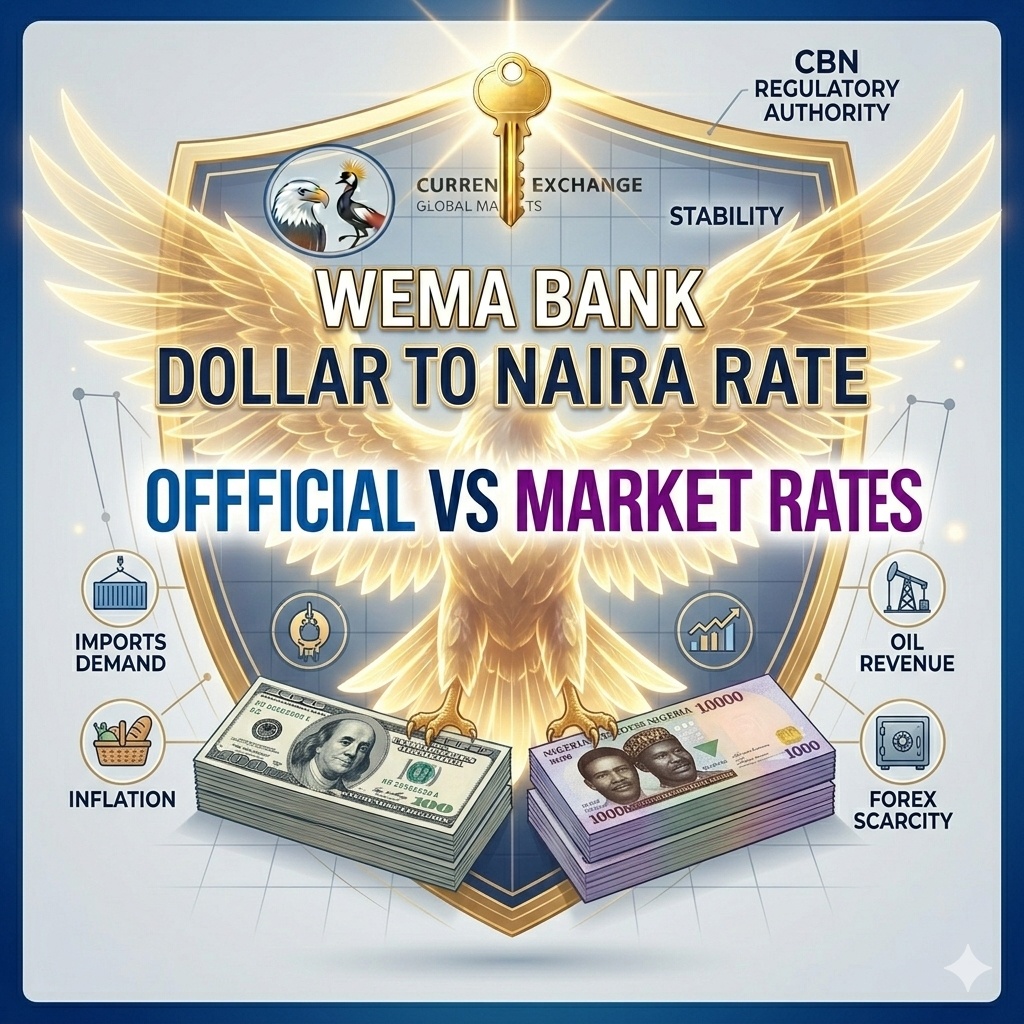
The “official rate” refers to the exchange price determined or recognized by the Central Bank of Nigeria (CBN). This rate is typically used for government transactions, diplomatic accounts, and specific verified international trade obligations.
The CBN manages the official rate to maintain monetary stability. Historically, Nigeria has utilized different exchange rate regimes, ranging from a fixed peg to a managed float. The primary goal of the official rate is to provide a standardized benchmark for the economy.
When comparing WorldRemit vs Remitly for Nigeria, it is important to note that these platforms must comply with CBN guidelines regarding how funds are disbursed in Nigeria, whether in USD for pickup or deposited as NGN into local bank accounts.
WorldRemit vs Remitly for Nigeria: Understanding the Platforms
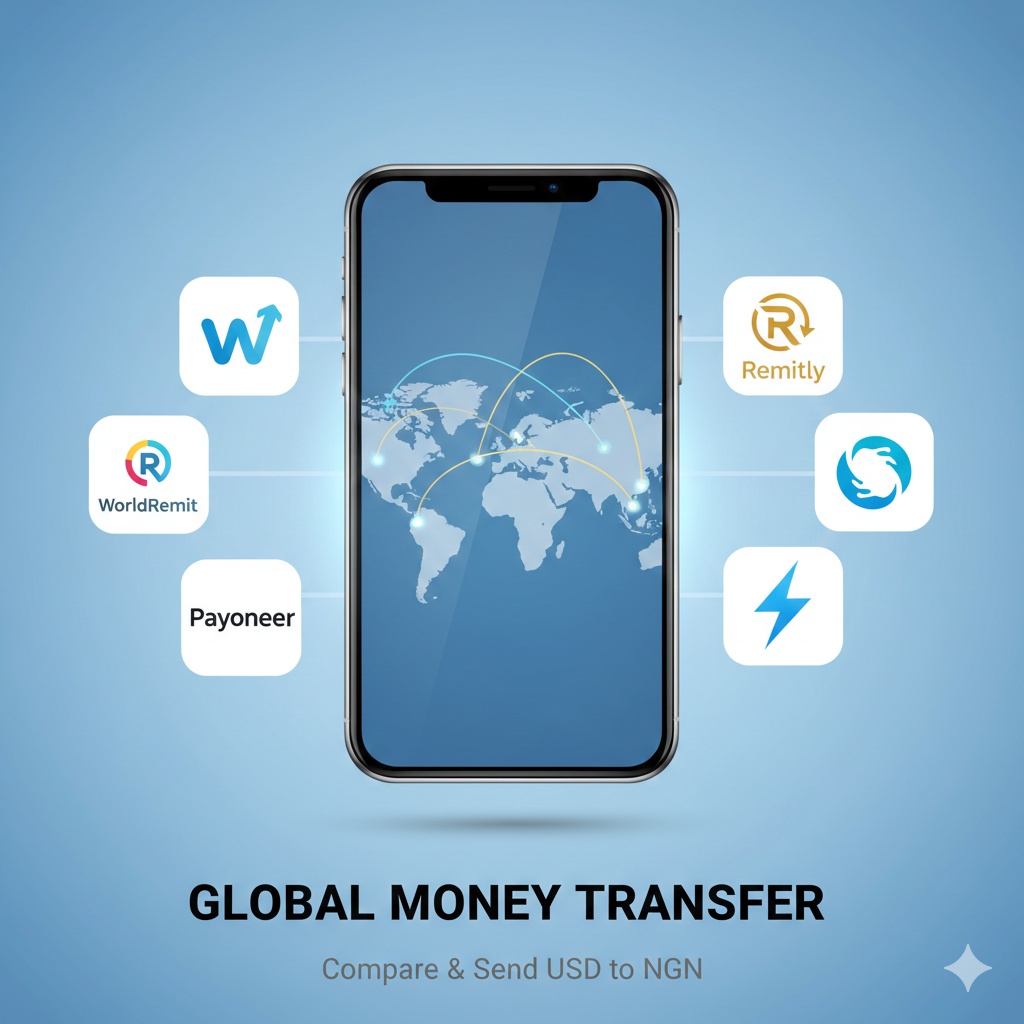
When choosing between WorldRemit vs Remitly for Nigeria, users generally look at three factors: speed, cost, and delivery method. Both companies are Registered Money Transfer Operators (IMTOs) authorized to facilitate remittances into Nigeria.
WorldRemit
WorldRemit is known for its wide variety of payout options. In Nigeria, this often includes bank transfers and airtime top-up. They typically use a transparent fee structure where the cost is shown upfront before the transaction is finalized. Their rates are updated frequently to reflect shifts in the global market.
Remitly
Remitly often differentiates itself by offering different “speeds” of transfer. For example, an “Economy” transfer might offer a slightly better exchange rate but take longer to process, whereas an “Express” transfer is nearly instantaneous but may come with higher fees.
Key Considerations:
- Exchange Rate Margin: Both platforms add a small percentage to the mid-market rate.
- Transfer Fees: These can vary based on the amount sent and the payment method (debit card vs. bank account).
- Regulatory Compliance: Both services require “Know Your Customer” (KYC) documentation to prevent money laundering and ensure the safety of funds.
Parallel and Market Rates Explained
In addition to the official rate, Nigeria has a “parallel market” or “street rate.” This is an unofficial market where currency is traded outside of the formal banking system.
It is important to understand that the parallel market exists due to the high demand for dollars that cannot always be met by official banking sources. While the parallel market is a reality of the Nigerian economic landscape, it carries significantly higher risks, including:
- Lack of Consumer Protection: Transactions are not insured or regulated.
- Volatility: Prices can fluctuate wildly within a single day.
- Legal Risks: Engaging in unauthorized currency trading can lead to legal complications.
For those looking at WorldRemit vs Remitly for Nigeria, these digital platforms offer a legal, documented, and secure way to receive funds, which is the recommended approach for financial safety.
Why the Dollar Is Expensive in Nigeria
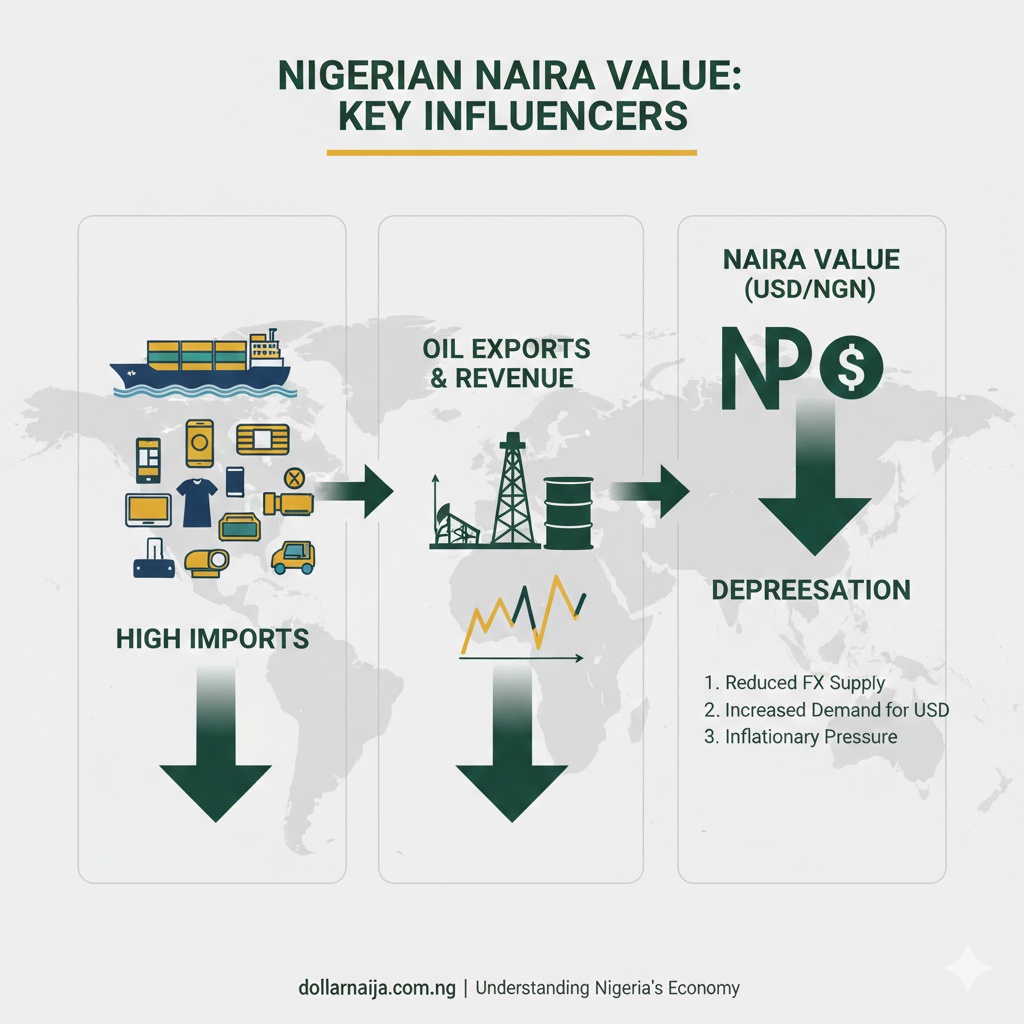
Several macroeconomic factors contribute to the depreciation of the Naira against the Dollar.
1. Import Dependency
Nigeria relies heavily on imports for everything from refined petroleum to electronics. Because these goods must be paid for in USD, there is a constant, high demand for dollars. When demand exceeds the available supply, the price of the dollar rises.
2. Oil Revenue Fluctuations
As an oil-exporting nation, Nigeria earns the bulk of its foreign exchange from crude oil sales. When global oil prices drop or production is interrupted, the supply of dollars flowing into the country decreases, putting pressure on the Naira.
3. Inflation
Higher inflation rates in Nigeria compared to the United States erode the purchasing power of the Naira. As goods become more expensive locally, the currency loses value relative to more stable foreign currencies.
4. Market Sentiment
Speculation and the general perception of economic stability also play a role. If investors or citizens fear the Naira will lose value, they may seek to hold their wealth in Dollars, further driving up the price.
How Exchange Rates Affect Daily Life in Nigeria
The USD to NGN rate is not just a number on a screen; it has a direct impact on the cost of living for every Nigerian.
- Food Prices: Even locally grown food is affected by the cost of imported fertilizers, pesticides, and the fuel used for transportation.
- Education: Many Nigerians study abroad. A spike in the exchange rate can significantly increase the cost of tuition and living expenses for students in the UK, US, or Canada.
- Technology and Subscriptions: Services like Netflix, Spotify, or cloud storage are often priced in dollars. When the Naira weakens, these subscriptions become more expensive in local terms.
- Travel: International flight tickets are priced based on global standards. A higher exchange rate leads to increased airfares.
Common Myths About Dollar to Naira Exchange
Myth 1: “The rate is the same everywhere.”
Reality: Rates differ between banks, IMTOs (like WorldRemit and Remitly), and the parallel market. Always compare official sources.
Myth 2: “The Dollar will crash soon.”
Reality: Currency markets are complex. While fluctuations occur, the USD remains the global reserve currency. Predicting a “crash” is speculative and usually not based on economic data.
Myth 3: “The CBN fixes the rate for everyone.”
Reality: While the CBN sets an official benchmark, market forces of demand and supply heavily influence the rates used by most private entities and individuals.
How to Check Dollar to Naira Rates Safely
To ensure you are getting accurate information and protecting your finances, use these verified methods:
- Commercial Bank Apps: Most Nigerian banks display their current FX rates for card transactions and bank transfers within their mobile apps.
- Official IMTO Websites: Check the calculators on the WorldRemit or Remitly websites for real-time data on what a recipient will receive.
- CBN Official Website: For the government-recognized benchmark, visit the Central Bank of Nigeria’s official portal.
- Financial News Outlets: Reputable Nigerian business news platforms provide daily updates on economic indicators.
Avoid unverified social media “updates” or anonymous “aboki” rate trackers that may provide misleading information or promote risky trading environments.
FAQ Section
What is the official dollar to naira rate?
The official rate is the exchange rate determined by the Central Bank of Nigeria (CBN) for government use and authorized transactions. It is generally lower than the market rate.
Why is the dollar higher in Nigeria than in previous years?
The rise is primarily due to high demand for imports, reduced foreign exchange earnings from oil, and inflationary pressures within the domestic economy.
Is the black market rate legal?
The CBN encourages all Nigerians to use official channels (banks and licensed IMTOs) for currency exchange. Trading in the parallel market lacks regulation and exposes users to fraud and legal risks.
Does the dollar rate change daily?
Yes. The foreign exchange market is active 24/7 globally. While official rates may be updated once a day, market rates can change every few minutes based on supply and demand.
Which is better: WorldRemit or Remitly for Nigeria?
Neither is objectively “better” for everyone. WorldRemit may be preferable for those needing specific payout options like airtime, while Remitly might offer different pricing tiers based on transfer speed. Users should compare the total “receive amount” on both platforms before sending.
Can I receive dollars directly in Nigeria?
Currently, Nigerian regulations allow for certain remittances to be received in USD for cash pickup or into domiciliary accounts, depending on the guidelines set by the CBN at the time of the transaction.
Conclusion
Understanding the dynamics of WorldRemit vs Remitly for Nigeria is a vital part of modern financial literacy in Nigeria. While exchange rate fluctuations can be challenging, staying informed through official channels allows individuals and businesses to plan more effectively.
Economic factors like inflation and oil revenue will continue to influence the Naira’s value, but by using secure, regulated platforms for money transfers, you ensure that your funds are handled safely and legally. Focus on building financial awareness and making decisions based on data rather than speculation.
For daily currency education and explanations of financial trends, visit dollarnaija.com.ng.